



Close Menu
West TimelinesWest Timelines
  • News
  • Politics
  • World
    • Africa
    • Asia
    • Australia
    • Europe
      • United Kingdom
      • Germany
      • France
      • Italy
      • Russia
      • Spain
      • Turkey
      • Ukraine
    • North America
      • United States
      • Canada
    • South America
  • Business
    • Finance
    • Markets
    • Investing
    • Small Business
    • Crypto
  • Elections
  • Entertainment
  • Health
  • Lifestyle
    • Fashion
    • Food & Drink
    • Travel
    • Astrology
  • Weird News
  • Science
  • Sports
    • Soccer
  • Technology
  • Viral Trends
Trending Now

Dubai Spotlight: Analyzing the Evolving Audience Tastes with AI Social Listening Tools in the UAE

2 weeks ago

مرآة التاريخ: تحليل البناء السردي للدروس الخالدة في قصص الأنبياء والإسلام

3 weeks ago

السندات الحكومية والشركات: أساسيات الاستثمار الآمن والدخل الثابت

4 weeks ago

UAE Ranks Among Top Rugby Markets on TOD as British & Irish Lions Tour Kicks Off

5 months ago

Darven: A New Leap in AI-Powered Legal Technology Launching from the UAE to the World

5 months ago
Facebook X (Twitter) Instagram
West TimelinesWest Timelines
  • News
  • US
  • #Elections
  • World
    • North America
      • United States
      • Canada
    • Europe
      • United Kingdom
      • Germany
      • France
      • Italy
      • Spain
      • Ukraine
      • Russia
      • Turkey
    • Asia
    • Australia
    • Africa
    • South America
  • Politics
  • Business
    • Finance
    • Investing
    • Markets
    • Small Business
    • Crypto
  • Lifestyle
    • Astrology
    • Fashion
    • Food & Drink
    • Travel
  • Health
  • Sports
    • Soccer
  • More
    • Entertainment
    • Technology
    • Science
    • Viral Trends
    • Weird News
Subscribe
  • Israel War
  • Ukraine War
  • United Kingdom
  • Canada
  • Germany
  • France
  • Italy
  • Russia
  • Spain
  • Turkey
  • Ukraine
West TimelinesWest Timelines
Home»Viral Trends
Viral Trends

Unveiling the True Meanings of 2024’s Most Misunderstood Emojis: Do You Know What They Really Symbolize?

May 20, 2024No Comments2 Mins Read
Facebook Twitter Pinterest LinkedIn Telegram Email WhatsApp Copy Link

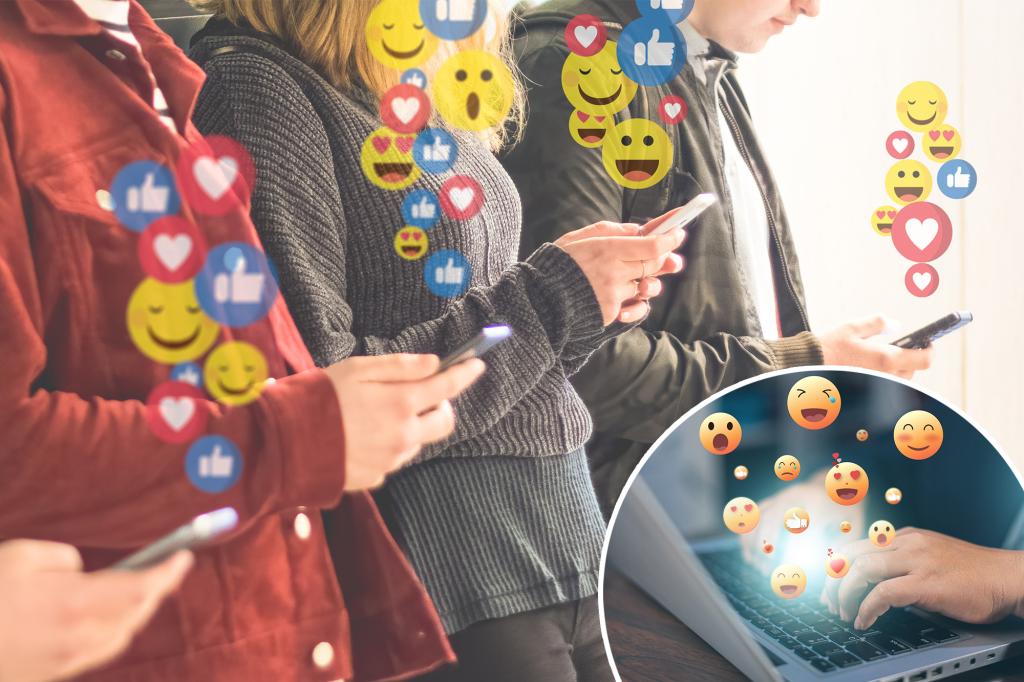
Emojis have become a popular and efficient means of communication, but they can lead to confusion due to varying interpretations across cultures and generations. A study by Preply found that 81% of Americans have been puzzled by someone else’s use of an emoji. The study surveyed 2,021 Americans to determine which emojis were the most confusing in 2024, with the nail painting emoji, the dashing away cloud emoji, and the upside-down smiley face ranking at the top.

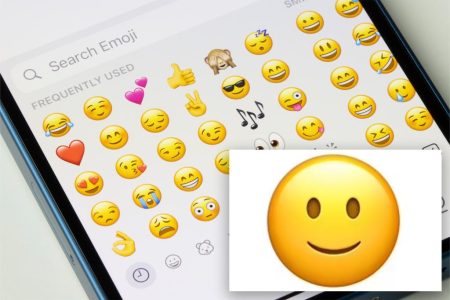
The research identified the nail painting emoji as the most confusing, with 40% of respondents interpreting it as “classy” or “posh/bougie.” Other interpretations included “just nail polish,” “Don’t mind me hehe,” and “self-care.” Similarly, the cloud emoji was interpreted as “dashing away,” “farting,” “exhaustion,” or “smoking,” depending on the respondent. The upside-down smiley face was seen as representing sarcasm, smiling through pain, same as the regular smiley face, or passive aggression.

The confusion surrounding emojis is not only due to personal interpretations but also impacted by geographical location. Just like the differences in dialect based on location, the meaning of emojis can vary depending on where you are. For example, the thumbs-up emoji, commonly understood as a symbol of affirmation in Western cultures, is considered offensive in certain Middle Eastern cultures. Similarly, the gesture showing the index finger and thumb touching is seen as positive in some cultures but considered obscene in others.

In some instances, misinterpreted emojis can lead to uncomfortable situations, with nearly half of the survey participants admitting to witnessing such misunderstandings. Preply language expert Sylvia Johnson emphasized the importance of considering cultural contexts when using emojis, as they can be interpreted differently based on generational differences, personal perspectives, and cultural backgrounds. As emojis continue to be a prominent form of communication, users need to be mindful of the potential for misunderstandings, especially in cross-cultural communication.

Certain emojis can have different meanings in various regions. For example, the peace sign emoji may signify “peace” in the UK and US, but in some places, turning the palm inward can be similar to giving the middle finger. Additionally, regional interpretations of gestures such as the OK sign in Brazil or parts of Southern Europe can vary widely. Understanding these nuances can avoid unintentional offense or confusion when using emojis in digital communication. As emojis evolve into their own language, individuals should be cautious in selecting and interpreting them, particularly in cross-cultural interactions.

Follow on Google News Follow on Flipboard
Share. Facebook Twitter Pinterest Email Telegram WhatsApp Copy Link

You Might Like

Array

Array

Array

Array

Array

Array

Editors Picks

مرآة التاريخ: تحليل البناء السردي للدروس الخالدة في قصص الأنبياء والإسلام

3 weeks ago

السندات الحكومية والشركات: أساسيات الاستثمار الآمن والدخل الثابت

4 weeks ago

UAE Ranks Among Top Rugby Markets on TOD as British & Irish Lions Tour Kicks Off

5 months ago

Darven: A New Leap in AI-Powered Legal Technology Launching from the UAE to the World

5 months ago

Jordan to Host Iraq in the Final Round of the Asian World Cup Qualifiers After Securing Historic Spot

6 months ago

Latest News

فلسطين: قلبٌ ينبض بالصمود والأمل

6 months ago

Roland Garros 2025: A New Era of Viewing, A Tribute to Legends, and Moments to Remember

7 months ago

Array

7 months ago
Advertisement
Facebook X (Twitter) TikTok Instagram Threads
© 2025 West Timelines. All Rights Reserved. Developed By: Sawah Solutions
  • Privacy Policy
  • Terms
  • Contact

Type above and press Enter to search. Press Esc to cancel.