





Close Menu
West TimelinesWest Timelines
  • News
  • Politics
  • World
    • Africa
    • Asia
    • Australia
    • Europe
      • United Kingdom
      • Germany
      • France
      • Italy
      • Russia
      • Spain
      • Turkey
      • Ukraine
    • North America
      • United States
      • Canada
    • South America
  • Business
    • Finance
    • Markets
    • Investing
    • Small Business
    • Crypto
  • Elections
  • Entertainment
  • Health
  • Lifestyle
    • Fashion
    • Food & Drink
    • Travel
    • Astrology
  • Weird News
  • Science
  • Sports
    • Soccer
  • Technology
  • Viral Trends
Trending Now

Dubai Spotlight: Analyzing the Evolving Audience Tastes with AI Social Listening Tools in the UAE

2 weeks ago

مرآة التاريخ: تحليل البناء السردي للدروس الخالدة في قصص الأنبياء والإسلام

3 weeks ago

السندات الحكومية والشركات: أساسيات الاستثمار الآمن والدخل الثابت

4 weeks ago

UAE Ranks Among Top Rugby Markets on TOD as British & Irish Lions Tour Kicks Off

5 months ago

Darven: A New Leap in AI-Powered Legal Technology Launching from the UAE to the World

5 months ago
Facebook X (Twitter) Instagram
West TimelinesWest Timelines
  • News
  • US
  • #Elections
  • World
    • North America
      • United States
      • Canada
    • Europe
      • United Kingdom
      • Germany
      • France
      • Italy
      • Spain
      • Ukraine
      • Russia
      • Turkey
    • Asia
    • Australia
    • Africa
    • South America
  • Politics
  • Business
    • Finance
    • Investing
    • Markets
    • Small Business
    • Crypto
  • Lifestyle
    • Astrology
    • Fashion
    • Food & Drink
    • Travel
  • Health
  • Sports
    • Soccer
  • More
    • Entertainment
    • Technology
    • Science
    • Viral Trends
    • Weird News
Subscribe
  • Israel War
  • Ukraine War
  • United Kingdom
  • Canada
  • Germany
  • France
  • Italy
  • Russia
  • Spain
  • Turkey
  • Ukraine
West TimelinesWest Timelines
Home»Science
Science

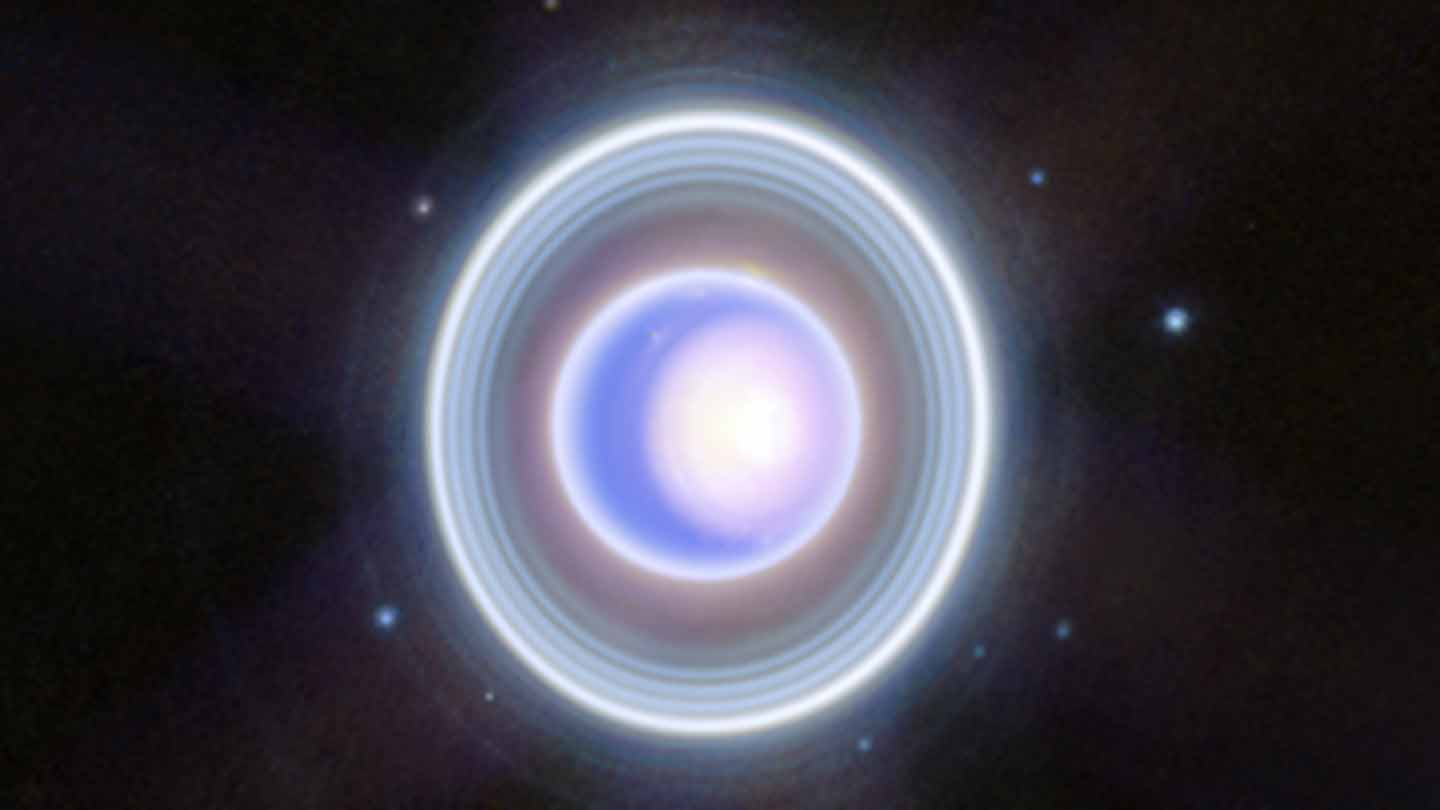
When NASA’s Voyager 2 passed by, Uranus appeared unusual

November 11, 2024No Comments3 Mins Read
Facebook Twitter Pinterest LinkedIn Telegram Email WhatsApp Copy Link

Researchers have discovered that the strange observations made by the Voyager 2 spacecraft during its flyby of Uranus in 1986 may have been due to bad timing. A solar wind event that occurred just days before the flyby compressed Uranus’ magnetosphere, leading to several mysteries surrounding the planet and its moons. The findings, published in Nature Astronomy, suggest that Uranus was in an unusual state during the flyby, only occurring approximately 4 percent of the time. This realization sheds new light on our understanding of Uranus and its magnetosphere.

Voyager 2’s observations of Uranus revealed a magnetosphere that appeared to lack plasma, a common component of other planets’ magnetospheres. Additionally, the planet exhibited intense belts of energetic electrons, which puzzled scientists at the time. Upon closer inspection of data collected by Voyager 2 prior to the flyby, researchers found that the density and speed of the solar wind had increased steadily for days leading up to the event. This increase in solar wind pressure would have compressed Uranus’ magnetosphere, resulting in the observed anomalies.

The compression of Uranus’ magnetosphere caused by the solar wind would have altered the extent of the magnetosphere, shrinking it from an estimated 28 times the planet’s diameter to around 17 times within a week. This compression explains the lack of plasma and the presence of intense radiation belts observed by Voyager 2. The researchers suggest that much of what was previously known about Uranus’ magnetosphere may not accurately represent its typical state, highlighting the importance of considering external factors when analyzing planetary data.

The team’s findings have implications for future missions to explore Uranus and its moons. The discovery that Uranus’ magnetosphere may be smaller than previously thought could make it easier for spacecraft to search for subsurface oceans on moons such as Titania and Oberon. These moons could harbor oceans beneath their icy surfaces, which can be detected by spacecraft through their interactions with the magnetic field of the planet. By understanding the true nature of Uranus’ magnetosphere, scientists can better plan future missions to study the planet and its intriguing moons.

Overall, the research provides valuable insights into the dynamic nature of Uranus’ magnetosphere and how external factors can impact our observations of planetary conditions. By reassessing data from past spacecraft missions and considering the effects of solar wind events, scientists are able to refine their understanding of Uranus and make informed decisions about future exploration missions. The findings open up new possibilities for studying the outer planets of our solar system and uncovering the mysteries that lie within these distant worlds.


Follow on Google News Follow on Flipboard
Share. Facebook Twitter Pinterest Email Telegram WhatsApp Copy Link

You Might Like

Array

Array

Array

Array

Array

Array

Editors Picks

مرآة التاريخ: تحليل البناء السردي للدروس الخالدة في قصص الأنبياء والإسلام

3 weeks ago

السندات الحكومية والشركات: أساسيات الاستثمار الآمن والدخل الثابت

4 weeks ago

UAE Ranks Among Top Rugby Markets on TOD as British & Irish Lions Tour Kicks Off

5 months ago

Darven: A New Leap in AI-Powered Legal Technology Launching from the UAE to the World

5 months ago

Jordan to Host Iraq in the Final Round of the Asian World Cup Qualifiers After Securing Historic Spot

6 months ago

Latest News

فلسطين: قلبٌ ينبض بالصمود والأمل

6 months ago

Roland Garros 2025: A New Era of Viewing, A Tribute to Legends, and Moments to Remember

7 months ago

Array

7 months ago
Advertisement
Facebook X (Twitter) TikTok Instagram Threads
© 2025 West Timelines. All Rights Reserved. Developed By: Sawah Solutions
  • Privacy Policy
  • Terms
  • Contact

Type above and press Enter to search. Press Esc to cancel.