





Close Menu
West TimelinesWest Timelines
  • News
  • Politics
  • World
    • Africa
    • Asia
    • Australia
    • Europe
      • United Kingdom
      • Germany
      • France
      • Italy
      • Russia
      • Spain
      • Turkey
      • Ukraine
    • North America
      • United States
      • Canada
    • South America
  • Business
    • Finance
    • Markets
    • Investing
    • Small Business
    • Crypto
  • Elections
  • Entertainment
  • Health
  • Lifestyle
    • Fashion
    • Food & Drink
    • Travel
    • Astrology
  • Weird News
  • Science
  • Sports
    • Soccer
  • Technology
  • Viral Trends
Trending Now

Dubai Spotlight: Analyzing the Evolving Audience Tastes with AI Social Listening Tools in the UAE

2 weeks ago

مرآة التاريخ: تحليل البناء السردي للدروس الخالدة في قصص الأنبياء والإسلام

3 weeks ago

السندات الحكومية والشركات: أساسيات الاستثمار الآمن والدخل الثابت

4 weeks ago

UAE Ranks Among Top Rugby Markets on TOD as British & Irish Lions Tour Kicks Off

5 months ago

Darven: A New Leap in AI-Powered Legal Technology Launching from the UAE to the World

5 months ago
Facebook X (Twitter) Instagram
West TimelinesWest Timelines
  • News
  • US
  • #Elections
  • World
    • North America
      • United States
      • Canada
    • Europe
      • United Kingdom
      • Germany
      • France
      • Italy
      • Spain
      • Ukraine
      • Russia
      • Turkey
    • Asia
    • Australia
    • Africa
    • South America
  • Politics
  • Business
    • Finance
    • Investing
    • Markets
    • Small Business
    • Crypto
  • Lifestyle
    • Astrology
    • Fashion
    • Food & Drink
    • Travel
  • Health
  • Sports
    • Soccer
  • More
    • Entertainment
    • Technology
    • Science
    • Viral Trends
    • Weird News
Subscribe
  • Israel War
  • Ukraine War
  • United Kingdom
  • Canada
  • Germany
  • France
  • Italy
  • Russia
  • Spain
  • Turkey
  • Ukraine
West TimelinesWest Timelines
Home»Science
Science

Using Zapping Sand to Produce Rock Could Reduce Coastal Erosion

August 22, 2024No Comments2 Mins Read
Facebook Twitter Pinterest LinkedIn Telegram Email WhatsApp Copy Link

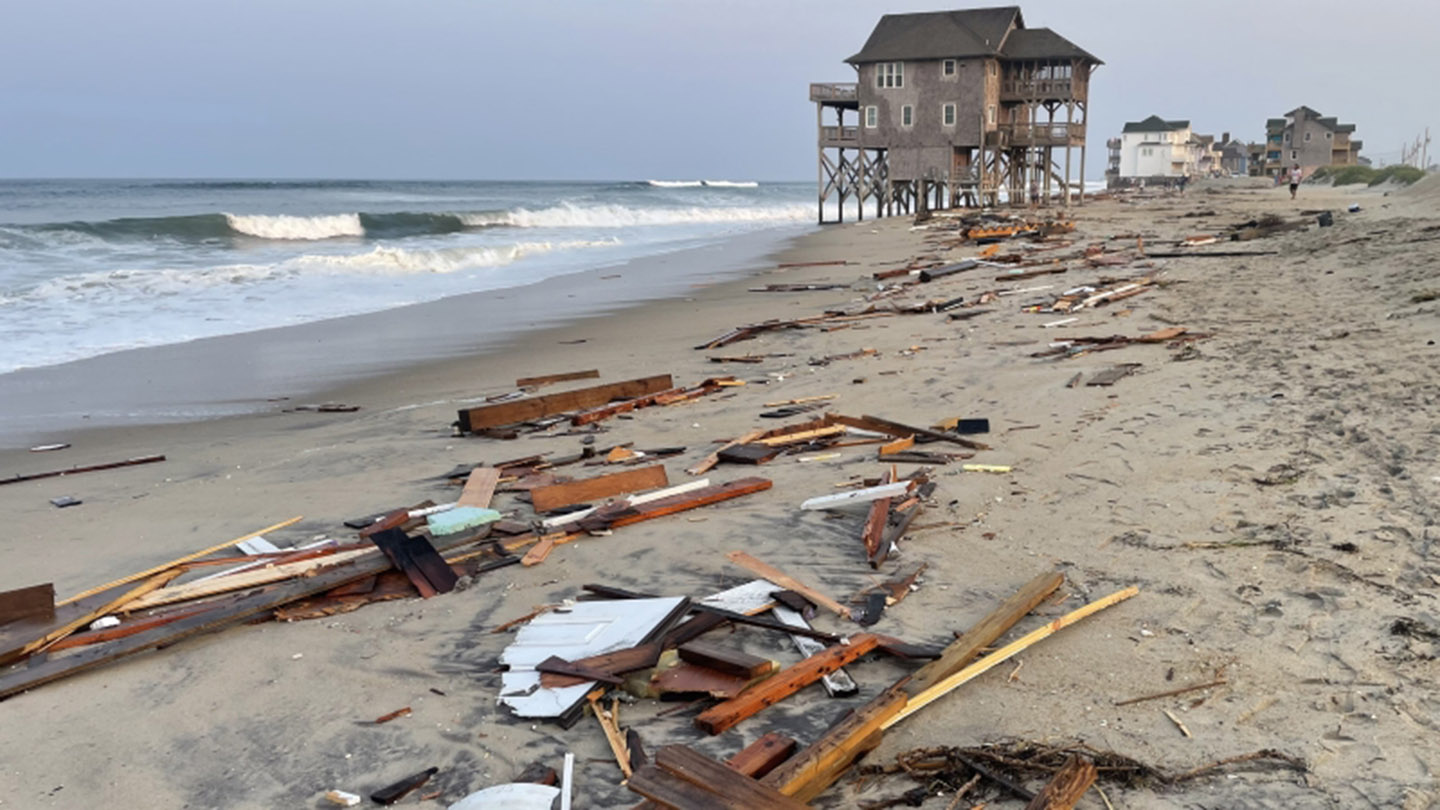
The vulnerability of shorelines to coastal erosion is exacerbated by rising sea levels due to climate change. Coastal engineers have limited methods to address erosion, such as building seawalls or trucking in sand, but these methods are not sustainable in the long term. Injecting plastics or other substances to consolidate sand could harm the environment.

A new method proposed by researchers at Northwestern University involves passing low voltage electricity through seawater-soaked sands to induce the formation of minerals that bind sediments. This mineralization process can create a tube of rock, similar to limestone, which could strengthen shorelines and slow erosion. The minerals created include calcium carbonate and magnesium hydroxide, with strength tests revealing that the rock is one-tenth as strong as concrete.

The newly formed rock could help shorelines resist erosion by stabilizing sandy areas at the bases of cliffs or firming up foundations beneath shoreline structures. It could also be used to repair cracks in existing concrete structures. The process is eco-friendly and cost-effective, estimated to be between $3-$6 per cubic meter of seawater-soaked sand. This is much more economical compared to trucking in sand, which can cost $14-$30 per cubic meter.

The mineralization method has the potential to address coastal erosion in a sustainable and affordable way. By using low voltage electricity to induce the formation of minerals in seawater-soaked sands, shorelines can be strengthened and erosion slowed. This method offers a promising solution to a pressing environmental issue, providing a cost-effective and eco-friendly alternative to traditional erosion control methods.

As shorelines continue to face the threat of erosion due to rising sea levels, innovative solutions like mineralization through low voltage electricity offer hope for sustainable coastal management. The research conducted by Northwestern University demonstrates the potential of this method to strengthen shorelines and protect coastal areas from the impacts of erosion. By harnessing the power of electricity to create minerals that bind sediments, this method could revolutionize how we approach erosion control and shoreline protection in the face of climate change.


Follow on Google News Follow on Flipboard
Share. Facebook Twitter Pinterest Email Telegram WhatsApp Copy Link

You Might Like

Array

Array

Array

Array

Array

Array

Editors Picks

مرآة التاريخ: تحليل البناء السردي للدروس الخالدة في قصص الأنبياء والإسلام

3 weeks ago

السندات الحكومية والشركات: أساسيات الاستثمار الآمن والدخل الثابت

4 weeks ago

UAE Ranks Among Top Rugby Markets on TOD as British & Irish Lions Tour Kicks Off

5 months ago

Darven: A New Leap in AI-Powered Legal Technology Launching from the UAE to the World

5 months ago

Jordan to Host Iraq in the Final Round of the Asian World Cup Qualifiers After Securing Historic Spot

6 months ago

Latest News

فلسطين: قلبٌ ينبض بالصمود والأمل

6 months ago

Roland Garros 2025: A New Era of Viewing, A Tribute to Legends, and Moments to Remember

7 months ago

Array

7 months ago
Advertisement
Facebook X (Twitter) TikTok Instagram Threads
© 2025 West Timelines. All Rights Reserved. Developed By: Sawah Solutions
  • Privacy Policy
  • Terms
  • Contact

Type above and press Enter to search. Press Esc to cancel.