




Close Menu
West TimelinesWest Timelines
  • News
  • Politics
  • World
    • Africa
    • Asia
    • Australia
    • Europe
      • United Kingdom
      • Germany
      • France
      • Italy
      • Russia
      • Spain
      • Turkey
      • Ukraine
    • North America
      • United States
      • Canada
    • South America
  • Business
    • Finance
    • Markets
    • Investing
    • Small Business
    • Crypto
  • Elections
  • Entertainment
  • Health
  • Lifestyle
    • Fashion
    • Food & Drink
    • Travel
    • Astrology
  • Weird News
  • Science
  • Sports
    • Soccer
  • Technology
  • Viral Trends
Trending Now

Dubai Spotlight: Analyzing the Evolving Audience Tastes with AI Social Listening Tools in the UAE

2 weeks ago

مرآة التاريخ: تحليل البناء السردي للدروس الخالدة في قصص الأنبياء والإسلام

3 weeks ago

السندات الحكومية والشركات: أساسيات الاستثمار الآمن والدخل الثابت

4 weeks ago

UAE Ranks Among Top Rugby Markets on TOD as British & Irish Lions Tour Kicks Off

5 months ago

Darven: A New Leap in AI-Powered Legal Technology Launching from the UAE to the World

5 months ago
Facebook X (Twitter) Instagram
West TimelinesWest Timelines
  • News
  • US
  • #Elections
  • World
    • North America
      • United States
      • Canada
    • Europe
      • United Kingdom
      • Germany
      • France
      • Italy
      • Spain
      • Ukraine
      • Russia
      • Turkey
    • Asia
    • Australia
    • Africa
    • South America
  • Politics
  • Business
    • Finance
    • Investing
    • Markets
    • Small Business
    • Crypto
  • Lifestyle
    • Astrology
    • Fashion
    • Food & Drink
    • Travel
  • Health
  • Sports
    • Soccer
  • More
    • Entertainment
    • Technology
    • Science
    • Viral Trends
    • Weird News
Subscribe
  • Israel War
  • Ukraine War
  • United Kingdom
  • Canada
  • Germany
  • France
  • Italy
  • Russia
  • Spain
  • Turkey
  • Ukraine
West TimelinesWest Timelines
Home»Science
Science

This fish with legs is more than just a walker

September 27, 2024No Comments3 Mins Read
Facebook Twitter Pinterest LinkedIn Telegram Email WhatsApp Copy Link

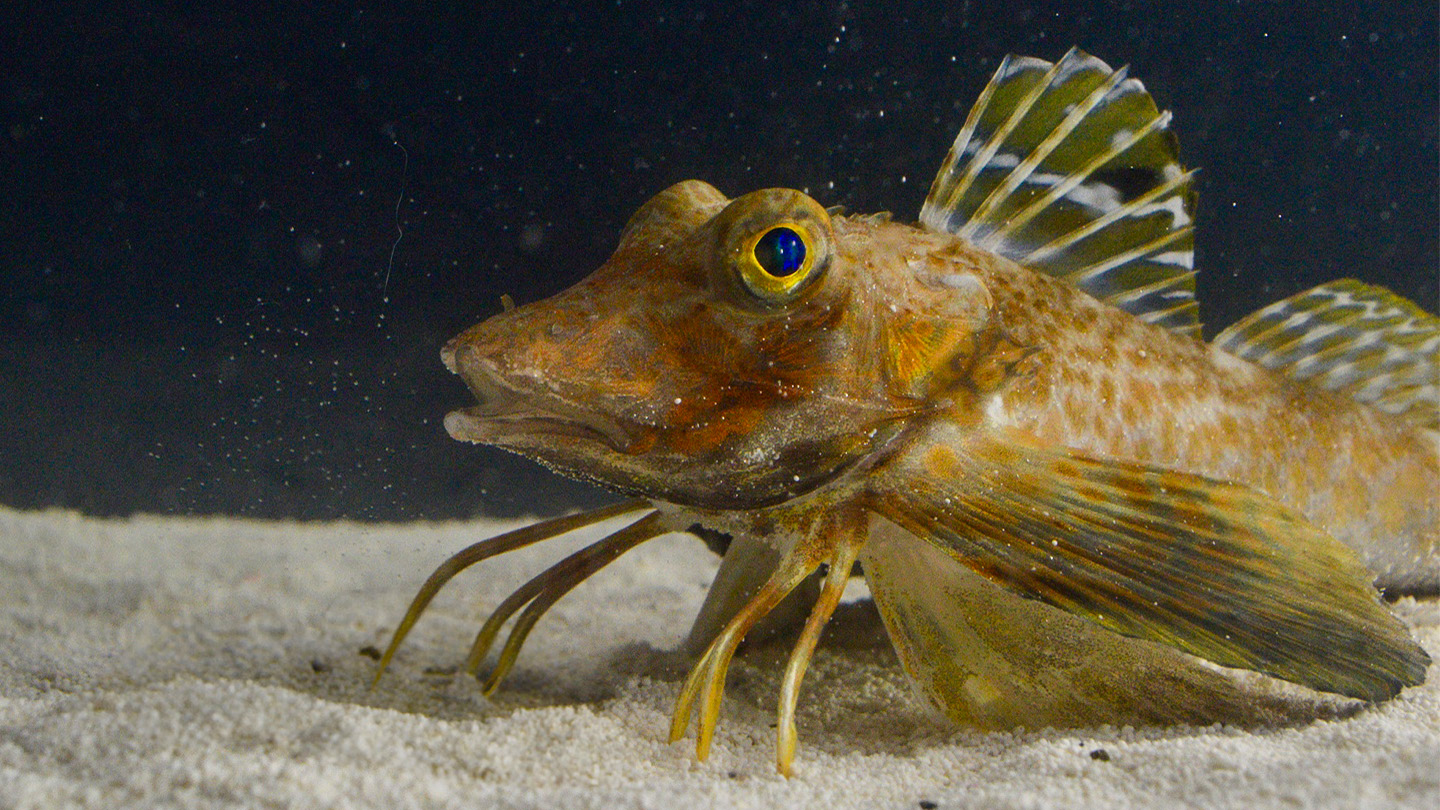
Researchers have discovered that some sea robins, a type of fish with winglike fins and crablike legs, use their legs to dig in sand and locate buried prey by developing a sense similar to taste. These findings were published in two papers in Current Biology. Although most sea robins primarily use their legs for walking, a few species have evolved legs that can taste using an ancient gene involved in limb formation in humans and animals, as well as a gene associated with taste bud development. They deduced that northern sea robins have an exterior sense of taste, unlike typical fish with taste buds in their mouths.

The studies conducted by a team of researchers at Harvard University and other institutions involved behavioral tests and close-up images, which confirmed the presence of sensory papillae on the legs of northern sea robins. These papillae act as taste buds, detecting chemicals in the sand to pinpoint the location of hidden prey. The legs of these fish probe the sand, aided by touch-sensitive nerve cells and taste sensors, allowing the sea robins to determine where to excavate for food. These findings suggest that sea robins, particularly those with digging behavior, have evolved as a result of an “evolutionary innovation.”

Genetic and physiological experiments revealed that the papillae on the sea robin legs exhibit high activity of a gene called t1r3, which is involved in mammalian sweet-detecting taste buds. Additionally, an ancient gene called tbx3a played a crucial role in the development of sea robin legs, papillae, and digging behavior. By comparing digging and non-digging sea robins, researchers determined that only digging species had papillae on their legs, indicating that this feature was likely beneficial for detecting food in the sand.

The papillae on the sea robin legs combine taste receptors and touch sensors in a unique manner, distinct from typical tasting mechanisms in fish. Further research is needed to determine if these sensory organs can detect bitter compounds that indicate potential threats rather than food, as well as to explore potential connections between leg and mouth taste bud responses. The team’s innovative approach highlights the intersection of genetic evolution and sensory adaptation in aquatic creatures, shedding light on the remarkable abilities of sea robins to utilize their legs as sensory organs.

The evolution of taste-detecting legs in sea robins illustrates how novel features can arise from existing genetic mechanisms. By repurposing genes responsible for limb development and taste sensing in an innovative way, sea robins have developed a sophisticated mechanism to locate food in the underwater environment. These findings provide valuable insights into the genetic and physiological adaptations of aquatic creatures and open up new avenues for studying sensory perception in marine organisms, offering a tantalizing glimpse into the intricate world of underwater life.


Follow on Google News Follow on Flipboard
Share. Facebook Twitter Pinterest Email Telegram WhatsApp Copy Link

You Might Like

Array

Array

Array

Array

Array

Array

Editors Picks

مرآة التاريخ: تحليل البناء السردي للدروس الخالدة في قصص الأنبياء والإسلام

3 weeks ago

السندات الحكومية والشركات: أساسيات الاستثمار الآمن والدخل الثابت

4 weeks ago

UAE Ranks Among Top Rugby Markets on TOD as British & Irish Lions Tour Kicks Off

5 months ago

Darven: A New Leap in AI-Powered Legal Technology Launching from the UAE to the World

5 months ago

Jordan to Host Iraq in the Final Round of the Asian World Cup Qualifiers After Securing Historic Spot

6 months ago

Latest News

فلسطين: قلبٌ ينبض بالصمود والأمل

6 months ago

Roland Garros 2025: A New Era of Viewing, A Tribute to Legends, and Moments to Remember

7 months ago

Array

7 months ago
Advertisement
Facebook X (Twitter) TikTok Instagram Threads
© 2025 West Timelines. All Rights Reserved. Developed By: Sawah Solutions
  • Privacy Policy
  • Terms
  • Contact

Type above and press Enter to search. Press Esc to cancel.