



Close Menu
West TimelinesWest Timelines
  • News
  • Politics
  • World
    • Africa
    • Asia
    • Australia
    • Europe
      • United Kingdom
      • Germany
      • France
      • Italy
      • Russia
      • Spain
      • Turkey
      • Ukraine
    • North America
      • United States
      • Canada
    • South America
  • Business
    • Finance
    • Markets
    • Investing
    • Small Business
    • Crypto
  • Elections
  • Entertainment
  • Health
  • Lifestyle
    • Fashion
    • Food & Drink
    • Travel
    • Astrology
  • Weird News
  • Science
  • Sports
    • Soccer
  • Technology
  • Viral Trends
Trending Now

Dubai Spotlight: Analyzing the Evolving Audience Tastes with AI Social Listening Tools in the UAE

2 weeks ago

مرآة التاريخ: تحليل البناء السردي للدروس الخالدة في قصص الأنبياء والإسلام

3 weeks ago

السندات الحكومية والشركات: أساسيات الاستثمار الآمن والدخل الثابت

4 weeks ago

UAE Ranks Among Top Rugby Markets on TOD as British & Irish Lions Tour Kicks Off

5 months ago

Darven: A New Leap in AI-Powered Legal Technology Launching from the UAE to the World

5 months ago
Facebook X (Twitter) Instagram
West TimelinesWest Timelines
  • News
  • US
  • #Elections
  • World
    • North America
      • United States
      • Canada
    • Europe
      • United Kingdom
      • Germany
      • France
      • Italy
      • Spain
      • Ukraine
      • Russia
      • Turkey
    • Asia
    • Australia
    • Africa
    • South America
  • Politics
  • Business
    • Finance
    • Investing
    • Markets
    • Small Business
    • Crypto
  • Lifestyle
    • Astrology
    • Fashion
    • Food & Drink
    • Travel
  • Health
  • Sports
    • Soccer
  • More
    • Entertainment
    • Technology
    • Science
    • Viral Trends
    • Weird News
Subscribe
  • Israel War
  • Ukraine War
  • United Kingdom
  • Canada
  • Germany
  • France
  • Italy
  • Russia
  • Spain
  • Turkey
  • Ukraine
West TimelinesWest Timelines
Home»Science
Science

The Spider that Dwells in Extinct Giant Ground Sloth Burrows

August 20, 2024No Comments2 Mins Read
Facebook Twitter Pinterest LinkedIn Telegram Email WhatsApp Copy Link

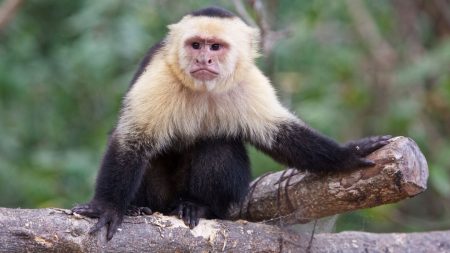
A team of researchers discovered a new species of spider called Paleotoca diminas in Brazilian caves. These spiders have adapted to living in permanent darkness by lacking eyes and having specialized hairs that detect vibrations through the air. They make their homes in the abandoned burrows of extinct megafauna such as giant ground sloths or giant armadillos, indicating that they are a unique species with specific habitat requirements.

The physical features of Paleotoca diminas suggest that they belong to the long-spinneret ground spider family. However, further examination of their genitalia and legs suggests that they represent a new genus within this family, named Paleotoca. The spiders’ name, meaning “old house,” reflects the type of cave they inhabit, known as paleoburrows, which were likely excavated by giant ground sloths thousands of years ago.

This species is not the only arachnid found to inhabit paleoburrows in Brazil, as the researchers have previously described two other species that also make their homes in similar caves. Recent legislative changes in Brazil prioritizing the conservation of subterranean ecosystems have allowed researchers to continue studying these unique spiders. Understanding and preserving the ecosystems where these spiders live is crucial for their conservation and the overall biodiversity of the region.

The researchers are conducting further studies to explore the behavior and ecological roles of Paleotoca diminas and other spider species living in paleoburrows. By studying these spiders and their habitats, they aim to contribute to the preservation of these fragile underground ecosystems. This research is essential for maintaining biodiversity and understanding the complex relationships between species that inhabit these unique cave environments in Brazil.

In conclusion, the discovery of Paleotoca diminas highlights the importance of studying and conserving unique species and their habitats. By focusing on subterranean ecosystems and the creatures that thrive in them, researchers can contribute to understanding the biodiversity of Brazil and the conservation of these fragile environments. Continued research and conservation efforts are necessary to ensure the long-term survival of species like Paleotoca diminas and their ecosystems.

Follow on Google News Follow on Flipboard
Share. Facebook Twitter Pinterest Email Telegram WhatsApp Copy Link

You Might Like

Array

Array

Array

Array

Array

Array

Editors Picks

مرآة التاريخ: تحليل البناء السردي للدروس الخالدة في قصص الأنبياء والإسلام

3 weeks ago

السندات الحكومية والشركات: أساسيات الاستثمار الآمن والدخل الثابت

4 weeks ago

UAE Ranks Among Top Rugby Markets on TOD as British & Irish Lions Tour Kicks Off

5 months ago

Darven: A New Leap in AI-Powered Legal Technology Launching from the UAE to the World

5 months ago

Jordan to Host Iraq in the Final Round of the Asian World Cup Qualifiers After Securing Historic Spot

6 months ago

Latest News

فلسطين: قلبٌ ينبض بالصمود والأمل

6 months ago

Roland Garros 2025: A New Era of Viewing, A Tribute to Legends, and Moments to Remember

7 months ago

Array

7 months ago
Advertisement
Facebook X (Twitter) TikTok Instagram Threads
© 2025 West Timelines. All Rights Reserved. Developed By: Sawah Solutions
  • Privacy Policy
  • Terms
  • Contact

Type above and press Enter to search. Press Esc to cancel.