






Close Menu
West TimelinesWest Timelines
  • News
  • Politics
  • World
    • Africa
    • Asia
    • Australia
    • Europe
      • United Kingdom
      • Germany
      • France
      • Italy
      • Russia
      • Spain
      • Turkey
      • Ukraine
    • North America
      • United States
      • Canada
    • South America
  • Business
    • Finance
    • Markets
    • Investing
    • Small Business
    • Crypto
  • Elections
  • Entertainment
  • Health
  • Lifestyle
    • Fashion
    • Food & Drink
    • Travel
    • Astrology
  • Weird News
  • Science
  • Sports
    • Soccer
  • Technology
  • Viral Trends
Trending Now

Dubai Spotlight: Analyzing the Evolving Audience Tastes with AI Social Listening Tools in the UAE

4 weeks ago

مرآة التاريخ: تحليل البناء السردي للدروس الخالدة في قصص الأنبياء والإسلام

4 weeks ago

السندات الحكومية والشركات: أساسيات الاستثمار الآمن والدخل الثابت

1 month ago

UAE Ranks Among Top Rugby Markets on TOD as British & Irish Lions Tour Kicks Off

5 months ago

Darven: A New Leap in AI-Powered Legal Technology Launching from the UAE to the World

6 months ago
Facebook X (Twitter) Instagram
West TimelinesWest Timelines
  • News
  • US
  • #Elections
  • World
    • North America
      • United States
      • Canada
    • Europe
      • United Kingdom
      • Germany
      • France
      • Italy
      • Spain
      • Ukraine
      • Russia
      • Turkey
    • Asia
    • Australia
    • Africa
    • South America
  • Politics
  • Business
    • Finance
    • Investing
    • Markets
    • Small Business
    • Crypto
  • Lifestyle
    • Astrology
    • Fashion
    • Food & Drink
    • Travel
  • Health
  • Sports
    • Soccer
  • More
    • Entertainment
    • Technology
    • Science
    • Viral Trends
    • Weird News
Subscribe
  • Israel War
  • Ukraine War
  • United Kingdom
  • Canada
  • Germany
  • France
  • Italy
  • Russia
  • Spain
  • Turkey
  • Ukraine
West TimelinesWest Timelines
Home»Business»Finance
Finance

The Rising Deficit: Implications for the Future of U.S. Fiscal Policy

April 17, 2024No Comments3 Mins Read
Facebook Twitter Pinterest LinkedIn Telegram Email WhatsApp Copy Link

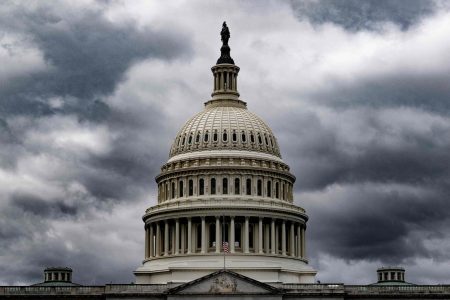
Tax Analysts’ chief economist Martin Sullivan recently appeared on a podcast to discuss the Congressional Budget Office’s latest economic forecast, new insights on the effects of the Tax Cuts and Jobs Act, and what this means for tax policy. According to Sullivan, the CBO’s latest deficit and debt forecasts for the next decade indicate a gloomy outlook, with projections showing deficits continuing to grow and the debt-to-GDP ratio expanding from 100 percent to 116 percent over the next decade. These high deficit levels, even without recession in the forecast, are concerning and suggest uncharted territory for the U.S. economy.

Sullivan also discussed potential breaking points for the U.S. debt situation, noting that while there is no magic number, the current trajectory is unsustainable in the long term. He identified four main components of government spending contributing to the increasing debt-to-GDP ratio, including mandatory spending on programs like Social Security and Medicare, defense spending, nondefense discretionary spending, and interest on the debt. Sullivan expressed skepticism about CBO projections that assume certain spending reductions and emphasized the challenges posed by rising interest rates on the debt burden.

The conversation then shifted to a recent study on the effects of the Tax Cuts and Jobs Act, which found that the economic growth resulting from the TCJA was minimal and largely benefited shareholders and high-paid employees at corporations. The study indicated that the TCJA was regressive, with most benefits going to upper-income taxpayers. Despite some positive impact on economic growth, Sullivan noted that tax cuts do not pay for themselves and the dynamic estimation results do not support the idea that tax cuts are self-funding.

Looking ahead, Sullivan highlighted the challenges facing policymakers in addressing the growing deficit and debt levels. He outlined potential scenarios following the 2024 election, including Republican or Democratic sweeps, gridlock, or compromise between the parties. Sullivan expressed doubts about the likelihood of bipartisan compromise given current levels of partisanship and ideological divisions. He suggested potential areas for addressing the fiscal situation, including spending cuts in areas like mandatory spending for senior citizens and tax increases across the board.

In conclusion, Sullivan emphasized the need for difficult decisions to address the fiscal challenges facing the U.S. He highlighted the importance of considering unpopular measures such as raising the retirement age for Medicare and Social Security, taxing wealthy individuals more, and implementing tax increases across the board. While acknowledging the political challenges involved, Sullivan stressed the necessity of tackling these issues to prevent a worsening fiscal situation in the future.

Follow on Google News Follow on Flipboard
Share. Facebook Twitter Pinterest Email Telegram WhatsApp Copy Link

You Might Like

Array

Array

Array

Array

Array

Array

Editors Picks

مرآة التاريخ: تحليل البناء السردي للدروس الخالدة في قصص الأنبياء والإسلام

4 weeks ago

السندات الحكومية والشركات: أساسيات الاستثمار الآمن والدخل الثابت

1 month ago

UAE Ranks Among Top Rugby Markets on TOD as British & Irish Lions Tour Kicks Off

5 months ago

Darven: A New Leap in AI-Powered Legal Technology Launching from the UAE to the World

6 months ago

Jordan to Host Iraq in the Final Round of the Asian World Cup Qualifiers After Securing Historic Spot

6 months ago

Latest News

فلسطين: قلبٌ ينبض بالصمود والأمل

7 months ago

Roland Garros 2025: A New Era of Viewing, A Tribute to Legends, and Moments to Remember

7 months ago

Array

7 months ago
Advertisement
Facebook X (Twitter) TikTok Instagram Threads
© 2025 West Timelines. All Rights Reserved. Developed By: Sawah Solutions
  • Privacy Policy
  • Terms
  • Contact

Type above and press Enter to search. Press Esc to cancel.