





Close Menu
West TimelinesWest Timelines
  • News
  • Politics
  • World
    • Africa
    • Asia
    • Australia
    • Europe
      • United Kingdom
      • Germany
      • France
      • Italy
      • Russia
      • Spain
      • Turkey
      • Ukraine
    • North America
      • United States
      • Canada
    • South America
  • Business
    • Finance
    • Markets
    • Investing
    • Small Business
    • Crypto
  • Elections
  • Entertainment
  • Health
  • Lifestyle
    • Fashion
    • Food & Drink
    • Travel
    • Astrology
  • Weird News
  • Science
  • Sports
    • Soccer
  • Technology
  • Viral Trends
Trending Now

Dubai Spotlight: Analyzing the Evolving Audience Tastes with AI Social Listening Tools in the UAE

4 weeks ago

مرآة التاريخ: تحليل البناء السردي للدروس الخالدة في قصص الأنبياء والإسلام

1 month ago

السندات الحكومية والشركات: أساسيات الاستثمار الآمن والدخل الثابت

1 month ago

UAE Ranks Among Top Rugby Markets on TOD as British & Irish Lions Tour Kicks Off

5 months ago

Darven: A New Leap in AI-Powered Legal Technology Launching from the UAE to the World

6 months ago
Facebook X (Twitter) Instagram
West TimelinesWest Timelines
  • News
  • US
  • #Elections
  • World
    • North America
      • United States
      • Canada
    • Europe
      • United Kingdom
      • Germany
      • France
      • Italy
      • Spain
      • Ukraine
      • Russia
      • Turkey
    • Asia
    • Australia
    • Africa
    • South America
  • Politics
  • Business
    • Finance
    • Investing
    • Markets
    • Small Business
    • Crypto
  • Lifestyle
    • Astrology
    • Fashion
    • Food & Drink
    • Travel
  • Health
  • Sports
    • Soccer
  • More
    • Entertainment
    • Technology
    • Science
    • Viral Trends
    • Weird News
Subscribe
  • Israel War
  • Ukraine War
  • United Kingdom
  • Canada
  • Germany
  • France
  • Italy
  • Russia
  • Spain
  • Turkey
  • Ukraine
West TimelinesWest Timelines
Home»Business»Finance
Finance

The Impact of Zero-Sum Thinking on Perceptions of Taxes

April 20, 2024No Comments3 Mins Read
Facebook Twitter Pinterest LinkedIn Telegram Email WhatsApp Copy Link

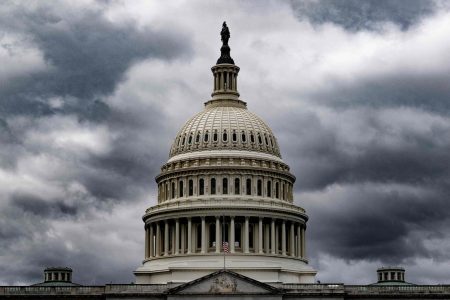
The way people think about the world as either zero-sum or not has a significant impact on their beliefs about taxes, immigration, universal healthcare, affirmative action, and other policy choices. New research conducted by Harvard, the London School of Economics, and the University of British Columbia surveyed over 20,000 US residents to understand these relationships. The study found that the zero-sum view is correlated with factors such as race, age, family history of scarcity, income, education, and political party, making the connections more complex than previously thought.

The study revealed that individuals with higher incomes and graduate degrees often hold a zero-sum view and support government policies to redistribute income, even if it means paying higher taxes. On the other hand, populations that benefit economically from government redistribution, such as White, rural, and older individuals, tend to oppose these policies. While Democrats typically align with a more zero-sum mindset and support progressive policies, there is a wide range of views within both parties, with many Republicans also favoring economic redistribution, such as raising taxes on high-income households.

The research also sheds light on how a zero-sum mentality may have influenced past elections, with some voters shifting their support based on candidates who speak in zero-sum terms. For instance, the study found that a significant number of voters who supported Barack Obama and Bernie Sanders later voted for Donald Trump in 2016, particularly those who strongly adhere to a zero-sum worldview. Trump’s perceived zero-sum rhetoric resonated with voters who shared this mindset, regardless of party affiliation.

The authors of the study suggest that a zero-sum mindset can stem from a desire to correct past injustices or procedural unfairness, which may explain why some groups, such as Black Americans, lower-income individuals, and younger respondents, tend to hold stronger beliefs in a zero-sum world. However, those who have experienced economic mobility, including immigrants and those who grew up in immigrant communities, are less likely to see the world in a zero-sum way.

The implications of this research are significant for both politics and policy, indicating the possibility of building coalitions that support progressive tax policies while also implementing restrictions on immigration. The study found that nearly 80 percent of respondents would support raising taxes on high-income families to fund programs that help low-income families, with those who hold zero-sum beliefs more likely to back the petition. Overall, the study highlights the complex relationship between worldviews, policy preferences, and political affiliations, suggesting that individuals’ beliefs about the world shape their perspectives on a wide range of policy issues.

Follow on Google News Follow on Flipboard
Share. Facebook Twitter Pinterest Email Telegram WhatsApp Copy Link

You Might Like

Array

Array

Array

Array

Array

Array

Editors Picks

مرآة التاريخ: تحليل البناء السردي للدروس الخالدة في قصص الأنبياء والإسلام

1 month ago

السندات الحكومية والشركات: أساسيات الاستثمار الآمن والدخل الثابت

1 month ago

UAE Ranks Among Top Rugby Markets on TOD as British & Irish Lions Tour Kicks Off

5 months ago

Darven: A New Leap in AI-Powered Legal Technology Launching from the UAE to the World

6 months ago

Jordan to Host Iraq in the Final Round of the Asian World Cup Qualifiers After Securing Historic Spot

6 months ago

Latest News

فلسطين: قلبٌ ينبض بالصمود والأمل

7 months ago

Roland Garros 2025: A New Era of Viewing, A Tribute to Legends, and Moments to Remember

7 months ago

Array

7 months ago
Advertisement
Facebook X (Twitter) TikTok Instagram Threads
© 2025 West Timelines. All Rights Reserved. Developed By: Sawah Solutions
  • Privacy Policy
  • Terms
  • Contact

Type above and press Enter to search. Press Esc to cancel.