



Close Menu
West TimelinesWest Timelines
  • News
  • Politics
  • World
    • Africa
    • Asia
    • Australia
    • Europe
      • United Kingdom
      • Germany
      • France
      • Italy
      • Russia
      • Spain
      • Turkey
      • Ukraine
    • North America
      • United States
      • Canada
    • South America
  • Business
    • Finance
    • Markets
    • Investing
    • Small Business
    • Crypto
  • Elections
  • Entertainment
  • Health
  • Lifestyle
    • Fashion
    • Food & Drink
    • Travel
    • Astrology
  • Weird News
  • Science
  • Sports
    • Soccer
  • Technology
  • Viral Trends
Trending Now

Dubai Spotlight: Analyzing the Evolving Audience Tastes with AI Social Listening Tools in the UAE

2 weeks ago

مرآة التاريخ: تحليل البناء السردي للدروس الخالدة في قصص الأنبياء والإسلام

3 weeks ago

السندات الحكومية والشركات: أساسيات الاستثمار الآمن والدخل الثابت

4 weeks ago

UAE Ranks Among Top Rugby Markets on TOD as British & Irish Lions Tour Kicks Off

5 months ago

Darven: A New Leap in AI-Powered Legal Technology Launching from the UAE to the World

5 months ago
Facebook X (Twitter) Instagram
West TimelinesWest Timelines
  • News
  • US
  • #Elections
  • World
    • North America
      • United States
      • Canada
    • Europe
      • United Kingdom
      • Germany
      • France
      • Italy
      • Spain
      • Ukraine
      • Russia
      • Turkey
    • Asia
    • Australia
    • Africa
    • South America
  • Politics
  • Business
    • Finance
    • Investing
    • Markets
    • Small Business
    • Crypto
  • Lifestyle
    • Astrology
    • Fashion
    • Food & Drink
    • Travel
  • Health
  • Sports
    • Soccer
  • More
    • Entertainment
    • Technology
    • Science
    • Viral Trends
    • Weird News
Subscribe
  • Israel War
  • Ukraine War
  • United Kingdom
  • Canada
  • Germany
  • France
  • Italy
  • Russia
  • Spain
  • Turkey
  • Ukraine
West TimelinesWest Timelines
Home»Science
Science

The first eukaryotic marine alga known to extract nitrogen from the air

April 12, 2024No Comments3 Mins Read
Facebook Twitter Pinterest LinkedIn Telegram Email WhatsApp Copy Link

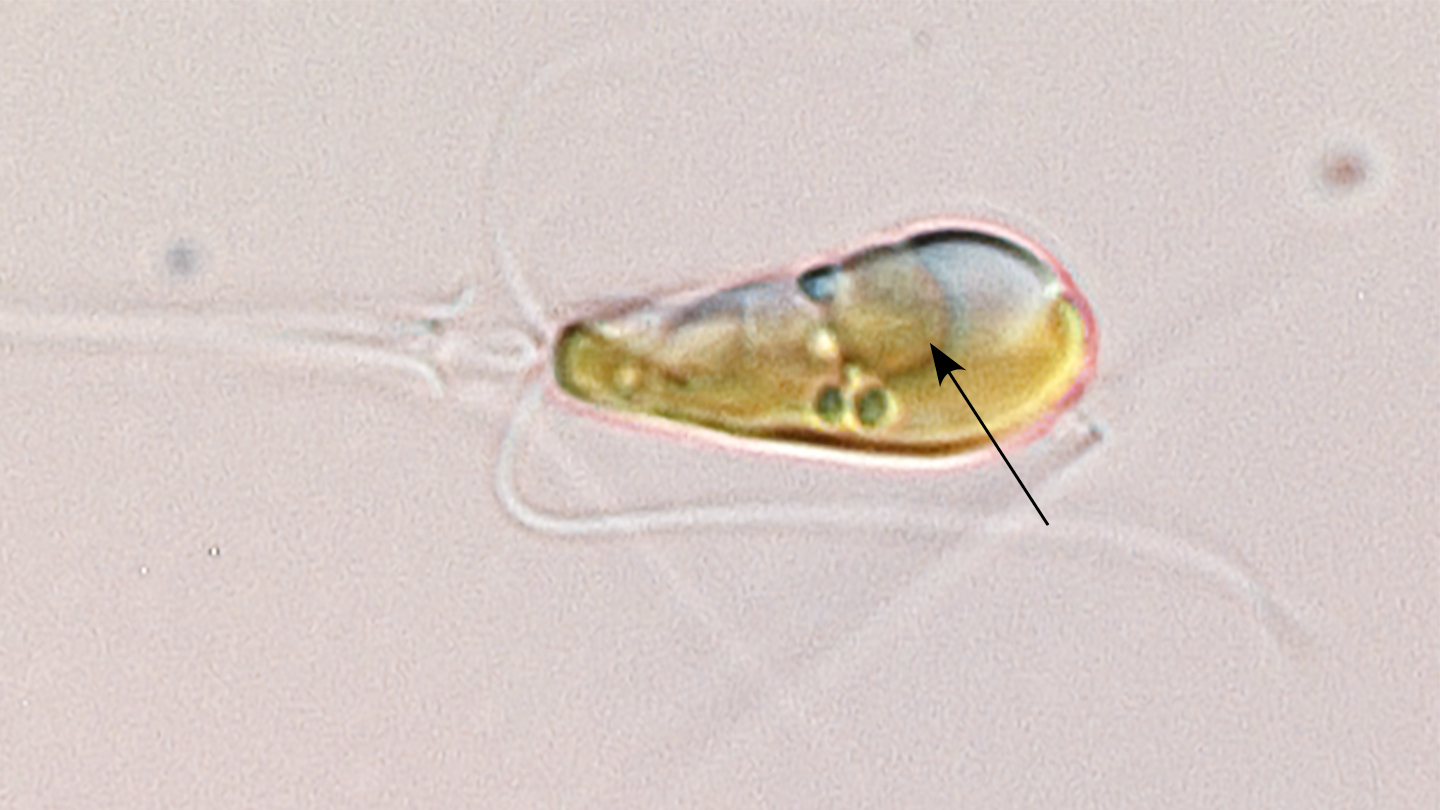
Researchers have discovered that a single-celled ocean alga has a special factory that allows it to convert atmospheric nitrogen into a biologically useful form. This was previously thought to be a process only done by bacteria and archaea. The presence of this ammonia factory in the alga indicates that eukaryotes, organisms with membrane-bound structures called organelles, are also capable of nitrogen fixation. The discovery was reported in the journal Science on April 12th.

The factory responsible for converting atmospheric nitrogen into ammonia in the alga was once a bacterium that began living inside the alga approximately 100 million years ago. Over time, this bacterium evolved into a nitrogen-harvesting machine for the host alga, becoming one of its organelles. This transformation from symbiont to organelle showcases the complexity of cellular evolution and the interdependent relationships between different types of organisms.

The process of nitrogen fixation is crucial for life as it converts atmospheric nitrogen gas into ammonia, which is essential for synthesizing biochemicals. Bacteria and archaea that have the capability of nitrogen fixation typically perform this process in soil or aquatic environments like the ocean. The presence of nitrogen-fixing bacteria, such as UCYN-A, in oceanic environments is important for marine ecosystems and contributes to the nitrogen cycle in the oceans.

Through X-ray imaging and genetic analyses, researchers were able to comprehend the relationship between the alga and the UCYN-A symbiont. The symbiont, known as a nitroplast, participates in cellular processes within the alga, dividing in synchronization with other organelles. Genetic information revealed that the symbiont relies on the host alga for essential metabolic pathways, indicating a coevolutionary relationship between the two organisms.

The presence of special amino acid chains in the proteins of the UCYN-A bacterium suggests a sophisticated trafficking mechanism within the cell, akin to other organelles like mitochondria and chloroplasts. The research highlights the evolution of symbionts into organelles, as seen in the nitroplast, providing insights into the mechanisms by which symbiotic relationships can lead to the domestication of bacteria within host cells. This process sheds light on the evolutionary history of organelles and their role in cellular function.

The emergence of the nitroplast as an organelle provides a unique case study in the evolution of symbiotic relationships within eukaryotic cells. The interdependence between the alga and the UCYN-A bacterium showcases the intricate processes involved in cellular evolution and the adaptation of symbionts into essential components of host cells. This discovery adds to our understanding of the diversity and complexity of cellular life and the mechanisms by which organisms have evolved to thrive in different environments.


Follow on Google News Follow on Flipboard
Share. Facebook Twitter Pinterest Email Telegram WhatsApp Copy Link

You Might Like

Array

Array

Array

Array

Array

Array

Editors Picks

مرآة التاريخ: تحليل البناء السردي للدروس الخالدة في قصص الأنبياء والإسلام

3 weeks ago

السندات الحكومية والشركات: أساسيات الاستثمار الآمن والدخل الثابت

4 weeks ago

UAE Ranks Among Top Rugby Markets on TOD as British & Irish Lions Tour Kicks Off

5 months ago

Darven: A New Leap in AI-Powered Legal Technology Launching from the UAE to the World

5 months ago

Jordan to Host Iraq in the Final Round of the Asian World Cup Qualifiers After Securing Historic Spot

6 months ago

Latest News

فلسطين: قلبٌ ينبض بالصمود والأمل

6 months ago

Roland Garros 2025: A New Era of Viewing, A Tribute to Legends, and Moments to Remember

7 months ago

Array

7 months ago
Advertisement
Facebook X (Twitter) TikTok Instagram Threads
© 2025 West Timelines. All Rights Reserved. Developed By: Sawah Solutions
  • Privacy Policy
  • Terms
  • Contact

Type above and press Enter to search. Press Esc to cancel.