



Close Menu
West TimelinesWest Timelines
  • News
  • Politics
  • World
    • Africa
    • Asia
    • Australia
    • Europe
      • United Kingdom
      • Germany
      • France
      • Italy
      • Russia
      • Spain
      • Turkey
      • Ukraine
    • North America
      • United States
      • Canada
    • South America
  • Business
    • Finance
    • Markets
    • Investing
    • Small Business
    • Crypto
  • Elections
  • Entertainment
  • Health
  • Lifestyle
    • Fashion
    • Food & Drink
    • Travel
    • Astrology
  • Weird News
  • Science
  • Sports
    • Soccer
  • Technology
  • Viral Trends
Trending Now

RING LAUNCHES NEW AI-POWERED SMART VIDEO SEARCH IN THE UAE

5 hours ago

Dubai Spotlight: Analyzing the Evolving Audience Tastes with AI Social Listening Tools in the UAE

1 month ago

مرآة التاريخ: تحليل البناء السردي للدروس الخالدة في قصص الأنبياء والإسلام

1 month ago

السندات الحكومية والشركات: أساسيات الاستثمار الآمن والدخل الثابت

2 months ago

UAE Ranks Among Top Rugby Markets on TOD as British & Irish Lions Tour Kicks Off

6 months ago
Facebook X (Twitter) Instagram
West TimelinesWest Timelines
  • News
  • US
  • #Elections
  • World
    • North America
      • United States
      • Canada
    • Europe
      • United Kingdom
      • Germany
      • France
      • Italy
      • Spain
      • Ukraine
      • Russia
      • Turkey
    • Asia
    • Australia
    • Africa
    • South America
  • Politics
  • Business
    • Finance
    • Investing
    • Markets
    • Small Business
    • Crypto
  • Lifestyle
    • Astrology
    • Fashion
    • Food & Drink
    • Travel
  • Health
  • Sports
    • Soccer
  • More
    • Entertainment
    • Technology
    • Science
    • Viral Trends
    • Weird News
Subscribe
  • Israel War
  • Ukraine War
  • United Kingdom
  • Canada
  • Germany
  • France
  • Italy
  • Russia
  • Spain
  • Turkey
  • Ukraine
West TimelinesWest Timelines
Home»World»Europe»France
France

The far-right has not become less radical than during the time of Jean-Marie Le Pen, but it is more difficult to combat

May 15, 2024No Comments3 Mins Read
Facebook Twitter Pinterest LinkedIn Telegram Email WhatsApp Copy Link

In a meeting of the presidential majority held at the Maison de la Mutualité on May 7th, Gabriel Attal raised the paradox of the current European elections campaign: the camp of the “yes” has emerged as the clear ideological winner. Those who criticized the euro currency, such as Marine Le Pen who referred to it as a burden responsible for various economic issues, have now completely changed their stance. The euro is no longer contested, and the idea of a Frexit is no longer seen as necessary for regaining sovereignty.

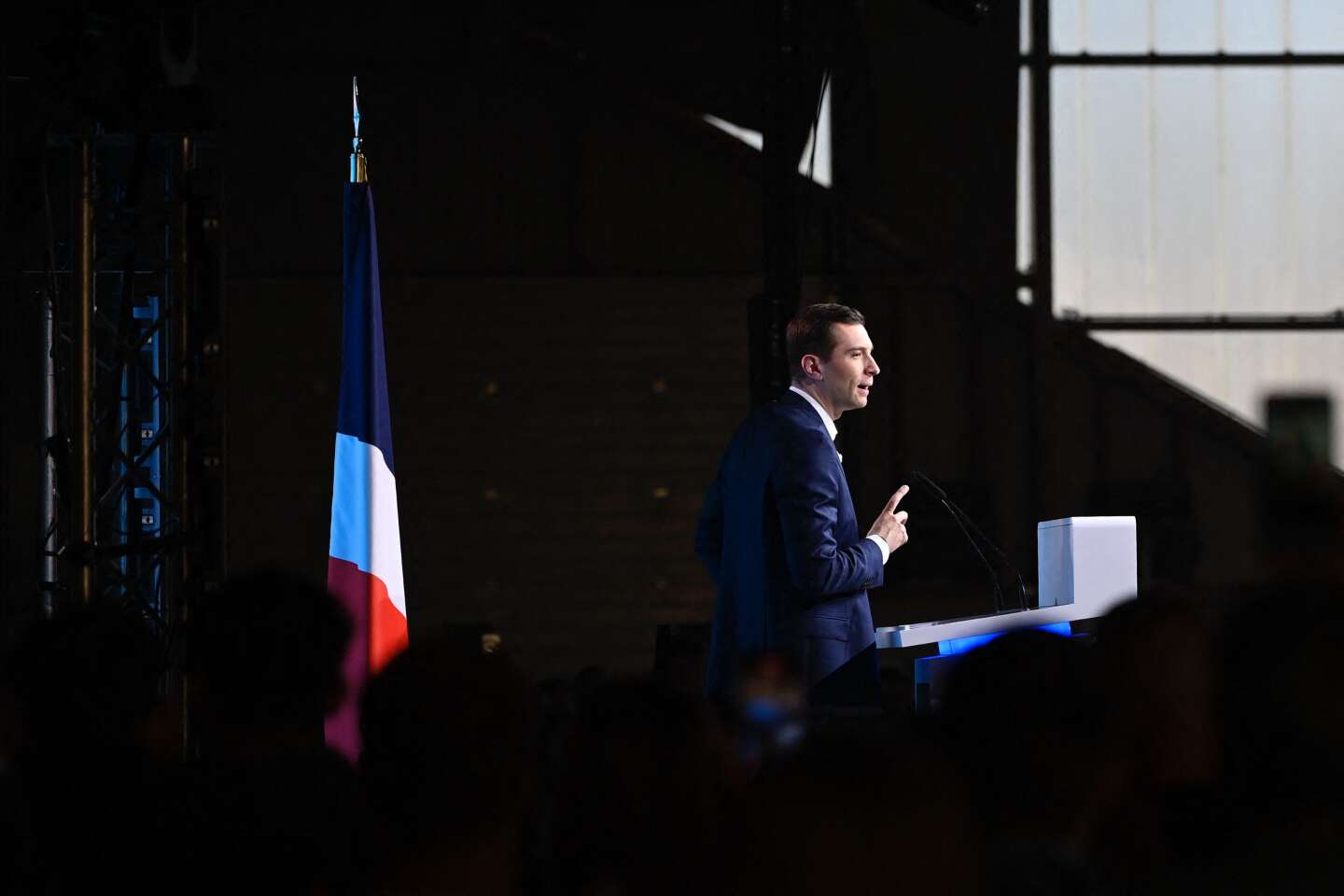
Despite these changes, the candidate leading in the polls, Jordan Bardella, remains a fierce opponent of the “yes” camp. At 28 years old, Bardella navigates this contradiction by advocating for an “European alliance of free and sovereign nations,” rather than the current political establishment associated with the euro. He rejects the European Union and European citizenship, proposing a vision of Europe where common projects like Erasmus would continue, but with modifications to things like Schengen free movement and border control being returned to individual nations.

While Bardella’s vision lacks clarity on how to dismantle the current European framework without alienating other EU members, his ambiguity seems to fuel his momentum. Changing Europe from within has become a more popular option than trying to dismantle it from the outside. Marine Le Pen herself abandoned the idea of an euro exit as a central platform in 2017 after her defeat to Emmanuel Macron, realizing that it limited her appeal to certain demographics who were concerned about their savings.

The broader implications of this shift in approach to the European Union are significant. Traditional French political parties are being challenged by the rise of candidates like Bardella who offer a different vision for Europe. The strategy of working within the EU to reform it is gaining traction as a more feasible and less risky approach compared to pushing for radical overhauls. This dynamic has the potential to reshape the landscape of European politics in the coming years, as parties adapt to this new reality and respond to changing voter preferences.

In conclusion, the European elections in France have revealed a paradox where the camp that was historically critical of the euro now finds itself in a position of ideological strength, but with a candidate leading the polls who remains a staunch opponent of the current European political structure. This shift reflects changing attitudes towards the EU and the need for a more nuanced approach to reforming the European project. It remains to be seen how these developments will impact the future of European politics and the direction of the European Union as a whole.

Follow on Google News Follow on Flipboard
Share. Facebook Twitter Pinterest Email Telegram WhatsApp Copy Link

You Might Like

Array

Array

Array

Array

Array

Array

Editors Picks

Dubai Spotlight: Analyzing the Evolving Audience Tastes with AI Social Listening Tools in the UAE

1 month ago

مرآة التاريخ: تحليل البناء السردي للدروس الخالدة في قصص الأنبياء والإسلام

1 month ago

السندات الحكومية والشركات: أساسيات الاستثمار الآمن والدخل الثابت

2 months ago

UAE Ranks Among Top Rugby Markets on TOD as British & Irish Lions Tour Kicks Off

6 months ago

Darven: A New Leap in AI-Powered Legal Technology Launching from the UAE to the World

6 months ago

Latest News

Jordan to Host Iraq in the Final Round of the Asian World Cup Qualifiers After Securing Historic Spot

7 months ago

فلسطين: قلبٌ ينبض بالصمود والأمل

7 months ago

Roland Garros 2025: A New Era of Viewing, A Tribute to Legends, and Moments to Remember

7 months ago
Advertisement
Facebook X (Twitter) TikTok Instagram Threads
© 2025 West Timelines. All Rights Reserved. Developed By: Sawah Solutions
  • Privacy Policy
  • Terms
  • Contact

Type above and press Enter to search. Press Esc to cancel.