





Close Menu
West TimelinesWest Timelines
  • News
  • Politics
  • World
    • Africa
    • Asia
    • Australia
    • Europe
      • United Kingdom
      • Germany
      • France
      • Italy
      • Russia
      • Spain
      • Turkey
      • Ukraine
    • North America
      • United States
      • Canada
    • South America
  • Business
    • Finance
    • Markets
    • Investing
    • Small Business
    • Crypto
  • Elections
  • Entertainment
  • Health
  • Lifestyle
    • Fashion
    • Food & Drink
    • Travel
    • Astrology
  • Weird News
  • Science
  • Sports
    • Soccer
  • Technology
  • Viral Trends
Trending Now

Dubai Spotlight: Analyzing the Evolving Audience Tastes with AI Social Listening Tools in the UAE

2 weeks ago

مرآة التاريخ: تحليل البناء السردي للدروس الخالدة في قصص الأنبياء والإسلام

3 weeks ago

السندات الحكومية والشركات: أساسيات الاستثمار الآمن والدخل الثابت

4 weeks ago

UAE Ranks Among Top Rugby Markets on TOD as British & Irish Lions Tour Kicks Off

5 months ago

Darven: A New Leap in AI-Powered Legal Technology Launching from the UAE to the World

5 months ago
Facebook X (Twitter) Instagram
West TimelinesWest Timelines
  • News
  • US
  • #Elections
  • World
    • North America
      • United States
      • Canada
    • Europe
      • United Kingdom
      • Germany
      • France
      • Italy
      • Spain
      • Ukraine
      • Russia
      • Turkey
    • Asia
    • Australia
    • Africa
    • South America
  • Politics
  • Business
    • Finance
    • Investing
    • Markets
    • Small Business
    • Crypto
  • Lifestyle
    • Astrology
    • Fashion
    • Food & Drink
    • Travel
  • Health
  • Sports
    • Soccer
  • More
    • Entertainment
    • Technology
    • Science
    • Viral Trends
    • Weird News
Subscribe
  • Israel War
  • Ukraine War
  • United Kingdom
  • Canada
  • Germany
  • France
  • Italy
  • Russia
  • Spain
  • Turkey
  • Ukraine
West TimelinesWest Timelines
Home»Science
Science

The Cosmos Obscured by Leaky Radio Waves from Starlink Satellites

September 30, 2024No Comments2 Mins Read
Facebook Twitter Pinterest LinkedIn Telegram Email WhatsApp Copy Link

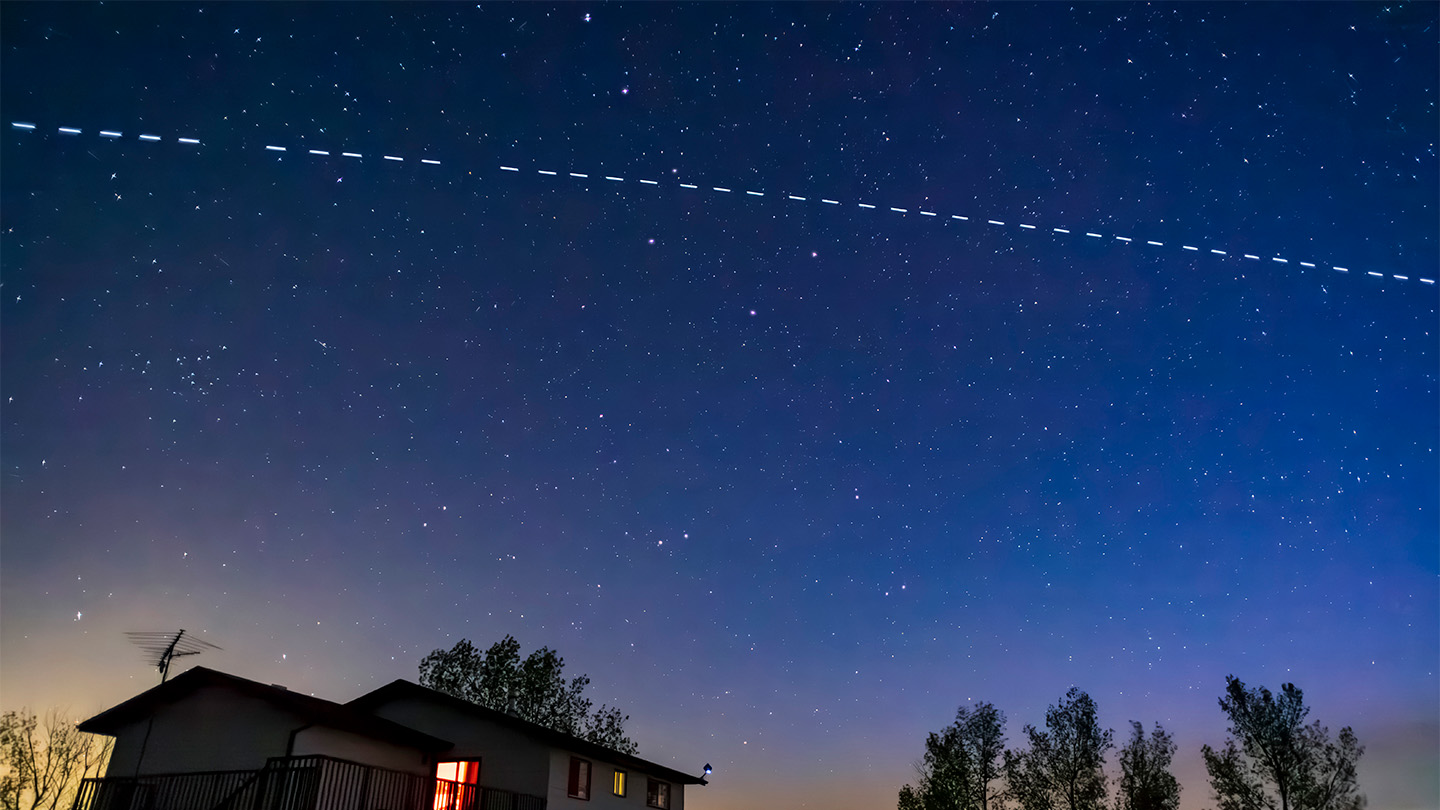
A recent study suggests that SpaceX’s Starlink satellites, while enabling global internet access and cell phone communications, are also posing a threat to radio astronomy. The latest generation of Starlink satellites emits unintended electromagnetic radiation that is more than 30 times brighter than emissions from previous versions. Because these newer satellites orbit closer to the Earth, they appear even brighter to ground-based telescopes, potentially masking observations of dimmer astronomical objects like distant galaxies or stars.

Radio telescopes collect lower-energy waves from sources emitting radiation at longer wavelengths. Researchers used six radio telescopes near Exloo, Netherlands, to characterize the emissions from Starlink satellites during observation sessions in July. Despite passing through the telescopes’ field of view for only a short time, the satellites were extremely bright, being about 10 million times brighter than the faintest astronomical sources observable by these telescopes.

As SpaceX continues to launch approximately 40 second-generation Starlink satellites weekly, with over 6,000 already in orbit, the issue of bright satellite emissions interfering with radio astronomy is expected to worsen. Researchers have also detected emissions from other companies’ satellites and are working to measure those emissions as well. Continuous observations and data collection by scientists could potentially encourage satellite developers to redesign their equipment to minimize unintended radio emissions and mitigate interference with radio astronomy observations.

The study by Cees Bassa and his team highlights the significance of addressing the impact of satellite emissions on radio astronomy observations. With the increasing number of satellites being launched into orbit, the potential for interference with ground-based telescopes and the masking of astronomical objects poses a serious challenge for the astronomical community. The researchers hope that their findings will prompt satellite developers to work towards reducing unintended radio emissions to support the advancement of scientific research and observations in radio astronomy.

As the demand for global connectivity through satellite technology grows, it is essential to balance technological advancements with the preservation of scientific research and observations in various fields, including radio astronomy. Collaboration between satellite developers, scientists, and regulatory bodies will play a crucial role in addressing the challenges posed by satellite emissions on radio astronomy and ensuring the continued progress of scientific endeavors. By raising awareness and fostering discussions on the impact of satellite technology on scientific research, stakeholders can work towards finding solutions that benefit both technological innovation and scientific exploration.


Follow on Google News Follow on Flipboard
Share. Facebook Twitter Pinterest Email Telegram WhatsApp Copy Link

You Might Like

Array

Array

Array

Array

Array

Array

Editors Picks

مرآة التاريخ: تحليل البناء السردي للدروس الخالدة في قصص الأنبياء والإسلام

3 weeks ago

السندات الحكومية والشركات: أساسيات الاستثمار الآمن والدخل الثابت

4 weeks ago

UAE Ranks Among Top Rugby Markets on TOD as British & Irish Lions Tour Kicks Off

5 months ago

Darven: A New Leap in AI-Powered Legal Technology Launching from the UAE to the World

5 months ago

Jordan to Host Iraq in the Final Round of the Asian World Cup Qualifiers After Securing Historic Spot

6 months ago

Latest News

فلسطين: قلبٌ ينبض بالصمود والأمل

6 months ago

Roland Garros 2025: A New Era of Viewing, A Tribute to Legends, and Moments to Remember

7 months ago

Array

7 months ago
Advertisement
Facebook X (Twitter) TikTok Instagram Threads
© 2025 West Timelines. All Rights Reserved. Developed By: Sawah Solutions
  • Privacy Policy
  • Terms
  • Contact

Type above and press Enter to search. Press Esc to cancel.