





Close Menu
West TimelinesWest Timelines
  • News
  • Politics
  • World
    • Africa
    • Asia
    • Australia
    • Europe
      • United Kingdom
      • Germany
      • France
      • Italy
      • Russia
      • Spain
      • Turkey
      • Ukraine
    • North America
      • United States
      • Canada
    • South America
  • Business
    • Finance
    • Markets
    • Investing
    • Small Business
    • Crypto
  • Elections
  • Entertainment
  • Health
  • Lifestyle
    • Fashion
    • Food & Drink
    • Travel
    • Astrology
  • Weird News
  • Science
  • Sports
    • Soccer
  • Technology
  • Viral Trends
Trending Now

Dubai Spotlight: Analyzing the Evolving Audience Tastes with AI Social Listening Tools in the UAE

2 weeks ago

مرآة التاريخ: تحليل البناء السردي للدروس الخالدة في قصص الأنبياء والإسلام

3 weeks ago

السندات الحكومية والشركات: أساسيات الاستثمار الآمن والدخل الثابت

4 weeks ago

UAE Ranks Among Top Rugby Markets on TOD as British & Irish Lions Tour Kicks Off

5 months ago

Darven: A New Leap in AI-Powered Legal Technology Launching from the UAE to the World

5 months ago
Facebook X (Twitter) Instagram
West TimelinesWest Timelines
  • News
  • US
  • #Elections
  • World
    • North America
      • United States
      • Canada
    • Europe
      • United Kingdom
      • Germany
      • France
      • Italy
      • Spain
      • Ukraine
      • Russia
      • Turkey
    • Asia
    • Australia
    • Africa
    • South America
  • Politics
  • Business
    • Finance
    • Investing
    • Markets
    • Small Business
    • Crypto
  • Lifestyle
    • Astrology
    • Fashion
    • Food & Drink
    • Travel
  • Health
  • Sports
    • Soccer
  • More
    • Entertainment
    • Technology
    • Science
    • Viral Trends
    • Weird News
Subscribe
  • Israel War
  • Ukraine War
  • United Kingdom
  • Canada
  • Germany
  • France
  • Italy
  • Russia
  • Spain
  • Turkey
  • Ukraine
West TimelinesWest Timelines
Home»Science
Science

Stone Age humans were primarily gatherers rather than hunters

April 29, 2024No Comments2 Mins Read
Facebook Twitter Pinterest LinkedIn Telegram Email WhatsApp Copy Link

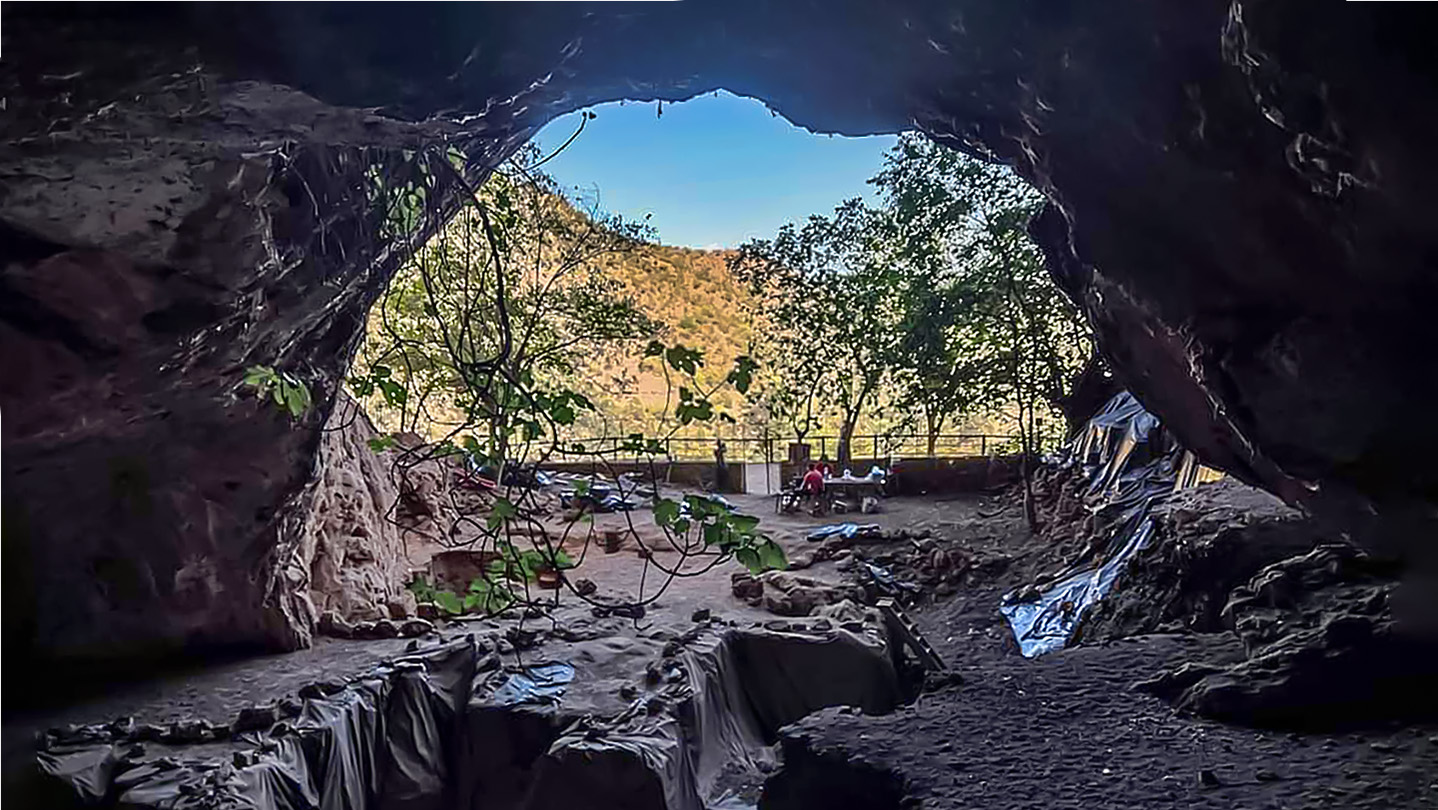
The Iberomaurusians, late Stone Age hunter-gatherers from northeastern Morocco, had a primarily plant-based diet despite living in an area abundant with wild plants. They did not cultivate these plants, challenging the idea that heavy reliance on plants always leads to domestification. Archaeologists initially assumed that these people relied mostly on animals for protein, but analysis of human remains at the Taforalt site in Morocco showed a diet closer to herbivores, with an emphasis on plants and some meat consumption.

The Taforalt site, where the Iberomaurusians buried their deceased, is vital for studying human evolution and behavior during their existence around 23,000 years ago. Research into the diets of the Iberomaurusians involved analyzing teeth and bones from remains dating between 15,077 and 13,892 years old. Isotopes of elements such as carbon, nitrogen, and zinc were examined to understand the sources of food deposited into tissues. Comparisons with isotopes from herbivores and carnivores from the site revealed the heavy reliance of the Iberomaurusians on plants.

Despite the Iberomaurusians’ preference for plant-based diets, they continued to consume meat alongside their plant foods, making their diet a balance between gathering and hunting. Previous studies have indicated the group’s love for plants based on dental analysis showing frequent cavities from starchy foods. However, the lack of domesticated plants in their diet over millennia remains a mystery, contrasting with the agricultural practices that emerged elsewhere in the world during similar time periods.

The absence of domesticated plants among the Iberomaurusians poses a unique question regarding the pathways to agriculture and food production systems in different regions. While humans in southwestern Asia embraced farming around 12,000 years ago, agriculture arrived in Morocco much later, with farmed plants introduced from other lands around 7,600 years ago. This anomaly highlights the complexity of human societies and the diversity of paths that led to agricultural practices globally.

The study sheds light on alternative agricultural systems and the intricacies of human subsistence strategies during the late Pleistocene period. By providing evidence of a culture that heavily relied on wild plants without domesticating them, researchers are able to expand our understanding of the complexities of agricultural emergence. This research underlines the importance of considering multiple pathways to agriculture and the diverse food production systems adopted by different human populations throughout history.


Follow on Google News Follow on Flipboard
Share. Facebook Twitter Pinterest Email Telegram WhatsApp Copy Link

You Might Like

Array

Array

Array

Array

Array

Array

Editors Picks

مرآة التاريخ: تحليل البناء السردي للدروس الخالدة في قصص الأنبياء والإسلام

3 weeks ago

السندات الحكومية والشركات: أساسيات الاستثمار الآمن والدخل الثابت

4 weeks ago

UAE Ranks Among Top Rugby Markets on TOD as British & Irish Lions Tour Kicks Off

5 months ago

Darven: A New Leap in AI-Powered Legal Technology Launching from the UAE to the World

5 months ago

Jordan to Host Iraq in the Final Round of the Asian World Cup Qualifiers After Securing Historic Spot

6 months ago

Latest News

فلسطين: قلبٌ ينبض بالصمود والأمل

6 months ago

Roland Garros 2025: A New Era of Viewing, A Tribute to Legends, and Moments to Remember

7 months ago

Array

7 months ago
Advertisement
Facebook X (Twitter) TikTok Instagram Threads
© 2025 West Timelines. All Rights Reserved. Developed By: Sawah Solutions
  • Privacy Policy
  • Terms
  • Contact

Type above and press Enter to search. Press Esc to cancel.