



Close Menu
West TimelinesWest Timelines
  • News
  • Politics
  • World
    • Africa
    • Asia
    • Australia
    • Europe
      • United Kingdom
      • Germany
      • France
      • Italy
      • Russia
      • Spain
      • Turkey
      • Ukraine
    • North America
      • United States
      • Canada
    • South America
  • Business
    • Finance
    • Markets
    • Investing
    • Small Business
    • Crypto
  • Elections
  • Entertainment
  • Health
  • Lifestyle
    • Fashion
    • Food & Drink
    • Travel
    • Astrology
  • Weird News
  • Science
  • Sports
    • Soccer
  • Technology
  • Viral Trends
Trending Now

Dubai Spotlight: Analyzing the Evolving Audience Tastes with AI Social Listening Tools in the UAE

2 weeks ago

مرآة التاريخ: تحليل البناء السردي للدروس الخالدة في قصص الأنبياء والإسلام

3 weeks ago

السندات الحكومية والشركات: أساسيات الاستثمار الآمن والدخل الثابت

4 weeks ago

UAE Ranks Among Top Rugby Markets on TOD as British & Irish Lions Tour Kicks Off

5 months ago

Darven: A New Leap in AI-Powered Legal Technology Launching from the UAE to the World

5 months ago
Facebook X (Twitter) Instagram
West TimelinesWest Timelines
  • News
  • US
  • #Elections
  • World
    • North America
      • United States
      • Canada
    • Europe
      • United Kingdom
      • Germany
      • France
      • Italy
      • Spain
      • Ukraine
      • Russia
      • Turkey
    • Asia
    • Australia
    • Africa
    • South America
  • Politics
  • Business
    • Finance
    • Investing
    • Markets
    • Small Business
    • Crypto
  • Lifestyle
    • Astrology
    • Fashion
    • Food & Drink
    • Travel
  • Health
  • Sports
    • Soccer
  • More
    • Entertainment
    • Technology
    • Science
    • Viral Trends
    • Weird News
Subscribe
  • Israel War
  • Ukraine War
  • United Kingdom
  • Canada
  • Germany
  • France
  • Italy
  • Russia
  • Spain
  • Turkey
  • Ukraine
West TimelinesWest Timelines
Home»Science
Science

Scientists Studied Earth’s Reactions During the Total Solar Eclipse

April 9, 2024No Comments2 Mins Read
Facebook Twitter Pinterest LinkedIn Telegram Email WhatsApp Copy Link

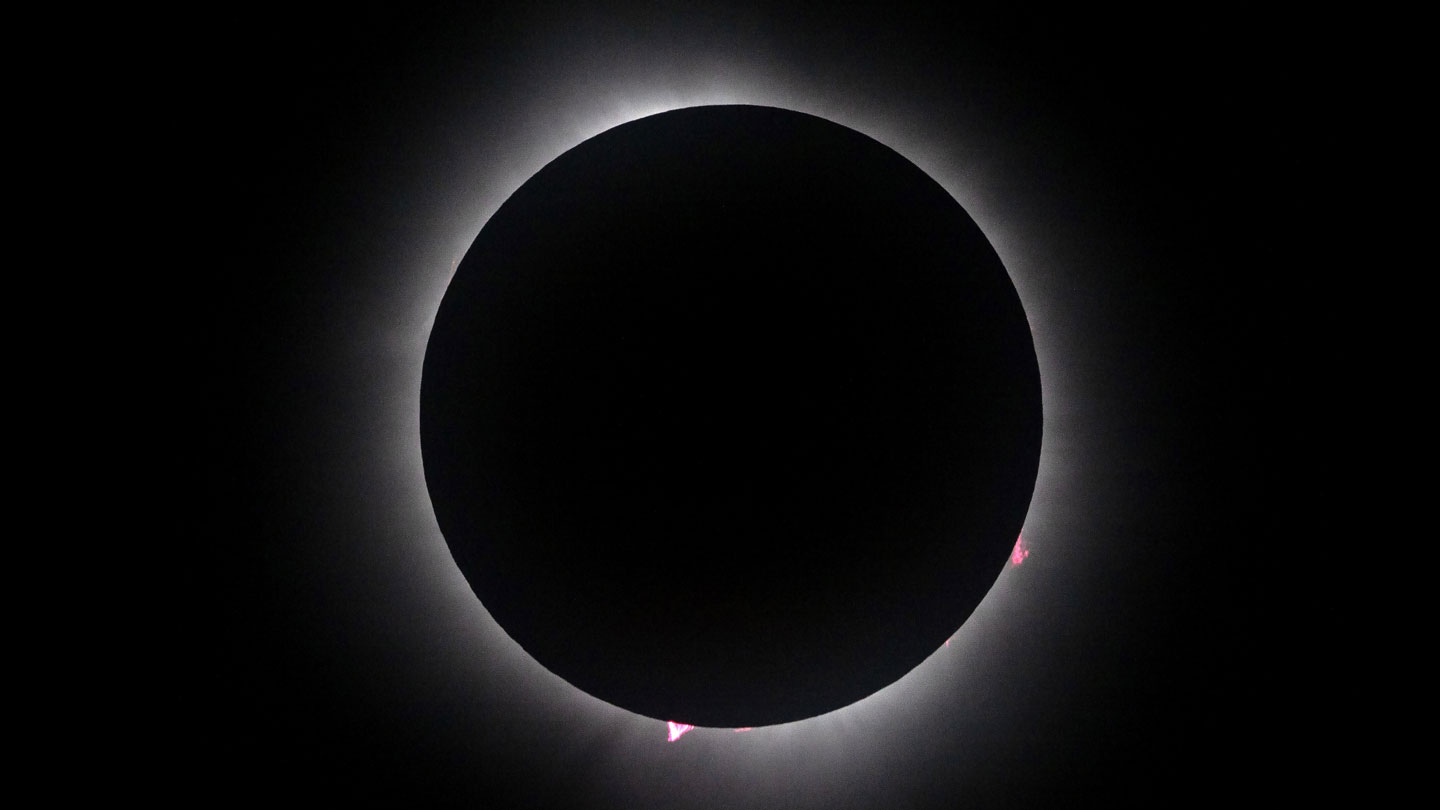
On April 8, a total solar eclipse was observed by millions of people across North America, including a group of scientists led by Darci Snowden, a space physicist at Central Washington University. The team was in Wills Point, Texas, launching weather balloons to study the eclipse’s effect on the atmosphere. Despite potential thunderstorms and cloud cover in the forecast, they were able to capture valuable data.

Total solar eclipses provide rare opportunities to study the sun and its impact on Earth. Snowden’s team was particularly interested in the planetary boundary layer and the formation of gravity waves in the lower atmospheric layers. These waves play a significant role in atmospheric dynamics, influencing factors like turbulence, heat transfer, and chemical mixing across the planet.

To collect data, the team launched a series of 30 weather balloons equipped with radiosondes to measure temperature, humidity, pressure, and wind conditions. The balloons were launched before, during, and after the eclipse to establish baseline readings and track any changes caused by the celestial event. The goal was to confirm the presence of gravity waves and their effects on Earth’s atmosphere.

The team’s data, along with that from around 40 other teams participating in NASA’s Nationwide Eclipse Ballooning Project, will be used to analyze the eclipse’s impact on the atmosphere and help improve short-term weather predictions and long-term climate models. The study of gravity waves during the eclipse could provide valuable insights into atmospheric dynamics and wave propagation.

In other locations, researchers like Fabiano Rodrigues at the University of Texas, Dallas, were studying the ionosphere using satellite signal detectors to monitor changes in electron content during the eclipse. By observing how the ionosphere deionizes in response to the sudden darkness caused by the eclipse, Rodrigues and his team aim to refine models of ionospheric behavior and its effects on satellite transmissions.

Despite some cloud cover during the eclipse, the teams of scientists and citizen scientists all around the country conducted various experiments to gather data and observe the celestial event. Each group had specific research goals, from studying gravity waves to monitoring ionospheric changes, with the hope of enhancing our understanding of the Earth-sun relationship. The collaborative effort may yield crucial insights into atmospheric processes and solar impacts on our planet. After the eclipse, scientists like Snowden and Rodrigues reflected on the unique experience and the valuable data collected during the celestial event.

Follow on Google News Follow on Flipboard
Share. Facebook Twitter Pinterest Email Telegram WhatsApp Copy Link

You Might Like

Array

Array

Array

Array

Array

Array

Editors Picks

مرآة التاريخ: تحليل البناء السردي للدروس الخالدة في قصص الأنبياء والإسلام

3 weeks ago

السندات الحكومية والشركات: أساسيات الاستثمار الآمن والدخل الثابت

4 weeks ago

UAE Ranks Among Top Rugby Markets on TOD as British & Irish Lions Tour Kicks Off

5 months ago

Darven: A New Leap in AI-Powered Legal Technology Launching from the UAE to the World

5 months ago

Jordan to Host Iraq in the Final Round of the Asian World Cup Qualifiers After Securing Historic Spot

6 months ago

Latest News

فلسطين: قلبٌ ينبض بالصمود والأمل

6 months ago

Roland Garros 2025: A New Era of Viewing, A Tribute to Legends, and Moments to Remember

7 months ago

Array

7 months ago
Advertisement
Facebook X (Twitter) TikTok Instagram Threads
© 2025 West Timelines. All Rights Reserved. Developed By: Sawah Solutions
  • Privacy Policy
  • Terms
  • Contact

Type above and press Enter to search. Press Esc to cancel.