





Close Menu
West TimelinesWest Timelines
  • News
  • Politics
  • World
    • Africa
    • Asia
    • Australia
    • Europe
      • United Kingdom
      • Germany
      • France
      • Italy
      • Russia
      • Spain
      • Turkey
      • Ukraine
    • North America
      • United States
      • Canada
    • South America
  • Business
    • Finance
    • Markets
    • Investing
    • Small Business
    • Crypto
  • Elections
  • Entertainment
  • Health
  • Lifestyle
    • Fashion
    • Food & Drink
    • Travel
    • Astrology
  • Weird News
  • Science
  • Sports
    • Soccer
  • Technology
  • Viral Trends
Trending Now

Dubai Spotlight: Analyzing the Evolving Audience Tastes with AI Social Listening Tools in the UAE

2 weeks ago

مرآة التاريخ: تحليل البناء السردي للدروس الخالدة في قصص الأنبياء والإسلام

3 weeks ago

السندات الحكومية والشركات: أساسيات الاستثمار الآمن والدخل الثابت

4 weeks ago

UAE Ranks Among Top Rugby Markets on TOD as British & Irish Lions Tour Kicks Off

5 months ago

Darven: A New Leap in AI-Powered Legal Technology Launching from the UAE to the World

5 months ago
Facebook X (Twitter) Instagram
West TimelinesWest Timelines
  • News
  • US
  • #Elections
  • World
    • North America
      • United States
      • Canada
    • Europe
      • United Kingdom
      • Germany
      • France
      • Italy
      • Spain
      • Ukraine
      • Russia
      • Turkey
    • Asia
    • Australia
    • Africa
    • South America
  • Politics
  • Business
    • Finance
    • Investing
    • Markets
    • Small Business
    • Crypto
  • Lifestyle
    • Astrology
    • Fashion
    • Food & Drink
    • Travel
  • Health
  • Sports
    • Soccer
  • More
    • Entertainment
    • Technology
    • Science
    • Viral Trends
    • Weird News
Subscribe
  • Israel War
  • Ukraine War
  • United Kingdom
  • Canada
  • Germany
  • France
  • Italy
  • Russia
  • Spain
  • Turkey
  • Ukraine
West TimelinesWest Timelines
Home»World»Europe»France
France

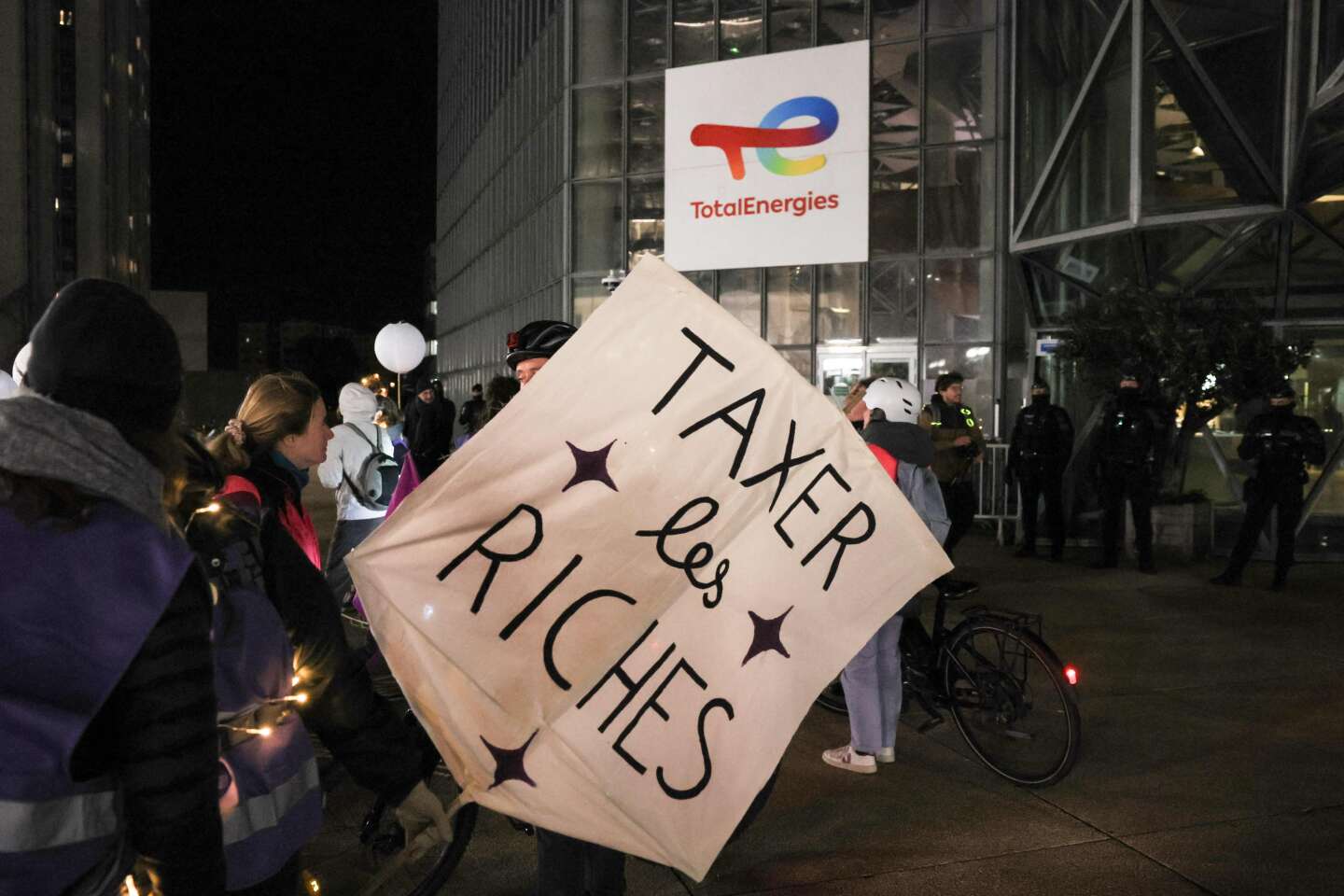
If nationalizing TotalEnergies remains an interesting option for better managing decarbonization, taxing its windfall profits appears even more relevant

April 20, 2024No Comments3 Mins Read
Facebook Twitter Pinterest LinkedIn Telegram Email WhatsApp Copy Link

On March 28th, Marie Toussaint proposed an unprecedented measure: the public takeover of the main European oil companies. The head of the Green Party for the European elections wants a European fund to buy the majority of shares of TotalEnergies, Eni, and others, to align their strategies with the rapid decarbonization of the economy. The main goal is to redirect the activities of oil companies towards investing in renewable energies instead of new drilling or paying dividends to shareholders. This takeover would also allow for the retraining and redirecting of employees towards future-proof jobs, utilizing their skills in offshore construction and drilling for projects such as offshore wind and geothermal energy.

While such a shift would indeed support the transition towards renewable energy, there are concerns that its contribution may be limited. The opening of new oil wells is primarily driven by global demand for oil, which could potentially be only delayed by the nationalization – or rather, “Europeanization” – of European companies, as other oil companies could step in to take their place. These foreign companies could gain market share and poach employees from European companies, potentially undermining the intended impact of the takeover.

Another stated goal is to leave certain oil reserves in the ground, a practice known as “stranding assets” in economic jargon. By reducing the global supply of oil in this way, the price of oil would increase, leading to a decrease in demand. Through this mechanism, Europeanization could help reduce CO2 emissions. However, it is important to note that these emission reductions would mainly occur outside of the European Union (EU), as 80% of the EU’s CO2 emissions will already be capped by 2027 through the European carbon markets. This means that emissions regulated by the EU will remain unaffected by oil price fluctuations.

Despite the benefits of stranding assets, it does come with a cost to European taxpayers. While this approach addresses the current focus of European decarbonization policies on reducing demand, it does not address the issue of competition in the global oil market. A reduction in global oil demand due to decarbonization efforts in the EU and other regions could lower oil prices, leading to increased demand in other regions. Without addressing these factors, some of the emission reductions in Europe could be offset by increased emissions in other parts of the world. This highlights the complexities and challenges of effectively addressing emissions reduction on a global scale.


Follow on Google News Follow on Flipboard
Share. Facebook Twitter Pinterest Email Telegram WhatsApp Copy Link

You Might Like

Array

Array

Array

Array

Array

Array

Editors Picks

مرآة التاريخ: تحليل البناء السردي للدروس الخالدة في قصص الأنبياء والإسلام

3 weeks ago

السندات الحكومية والشركات: أساسيات الاستثمار الآمن والدخل الثابت

4 weeks ago

UAE Ranks Among Top Rugby Markets on TOD as British & Irish Lions Tour Kicks Off

5 months ago

Darven: A New Leap in AI-Powered Legal Technology Launching from the UAE to the World

5 months ago

Jordan to Host Iraq in the Final Round of the Asian World Cup Qualifiers After Securing Historic Spot

6 months ago

Latest News

فلسطين: قلبٌ ينبض بالصمود والأمل

6 months ago

Roland Garros 2025: A New Era of Viewing, A Tribute to Legends, and Moments to Remember

7 months ago

Array

7 months ago
Advertisement
Facebook X (Twitter) TikTok Instagram Threads
© 2025 West Timelines. All Rights Reserved. Developed By: Sawah Solutions
  • Privacy Policy
  • Terms
  • Contact

Type above and press Enter to search. Press Esc to cancel.