




Close Menu
West TimelinesWest Timelines
  • News
  • Politics
  • World
    • Africa
    • Asia
    • Australia
    • Europe
      • United Kingdom
      • Germany
      • France
      • Italy
      • Russia
      • Spain
      • Turkey
      • Ukraine
    • North America
      • United States
      • Canada
    • South America
  • Business
    • Finance
    • Markets
    • Investing
    • Small Business
    • Crypto
  • Elections
  • Entertainment
  • Health
  • Lifestyle
    • Fashion
    • Food & Drink
    • Travel
    • Astrology
  • Weird News
  • Science
  • Sports
    • Soccer
  • Technology
  • Viral Trends
Trending Now

Dubai Spotlight: Analyzing the Evolving Audience Tastes with AI Social Listening Tools in the UAE

2 weeks ago

مرآة التاريخ: تحليل البناء السردي للدروس الخالدة في قصص الأنبياء والإسلام

3 weeks ago

السندات الحكومية والشركات: أساسيات الاستثمار الآمن والدخل الثابت

4 weeks ago

UAE Ranks Among Top Rugby Markets on TOD as British & Irish Lions Tour Kicks Off

5 months ago

Darven: A New Leap in AI-Powered Legal Technology Launching from the UAE to the World

5 months ago
Facebook X (Twitter) Instagram
West TimelinesWest Timelines
  • News
  • US
  • #Elections
  • World
    • North America
      • United States
      • Canada
    • Europe
      • United Kingdom
      • Germany
      • France
      • Italy
      • Spain
      • Ukraine
      • Russia
      • Turkey
    • Asia
    • Australia
    • Africa
    • South America
  • Politics
  • Business
    • Finance
    • Investing
    • Markets
    • Small Business
    • Crypto
  • Lifestyle
    • Astrology
    • Fashion
    • Food & Drink
    • Travel
  • Health
  • Sports
    • Soccer
  • More
    • Entertainment
    • Technology
    • Science
    • Viral Trends
    • Weird News
Subscribe
  • Israel War
  • Ukraine War
  • United Kingdom
  • Canada
  • Germany
  • France
  • Italy
  • Russia
  • Spain
  • Turkey
  • Ukraine
West TimelinesWest Timelines
Home»Science
Science

How static electricity assists butterflies and moths in gathering pollen while flying

July 31, 2024No Comments2 Mins Read
Facebook Twitter Pinterest LinkedIn Telegram Email WhatsApp Copy Link

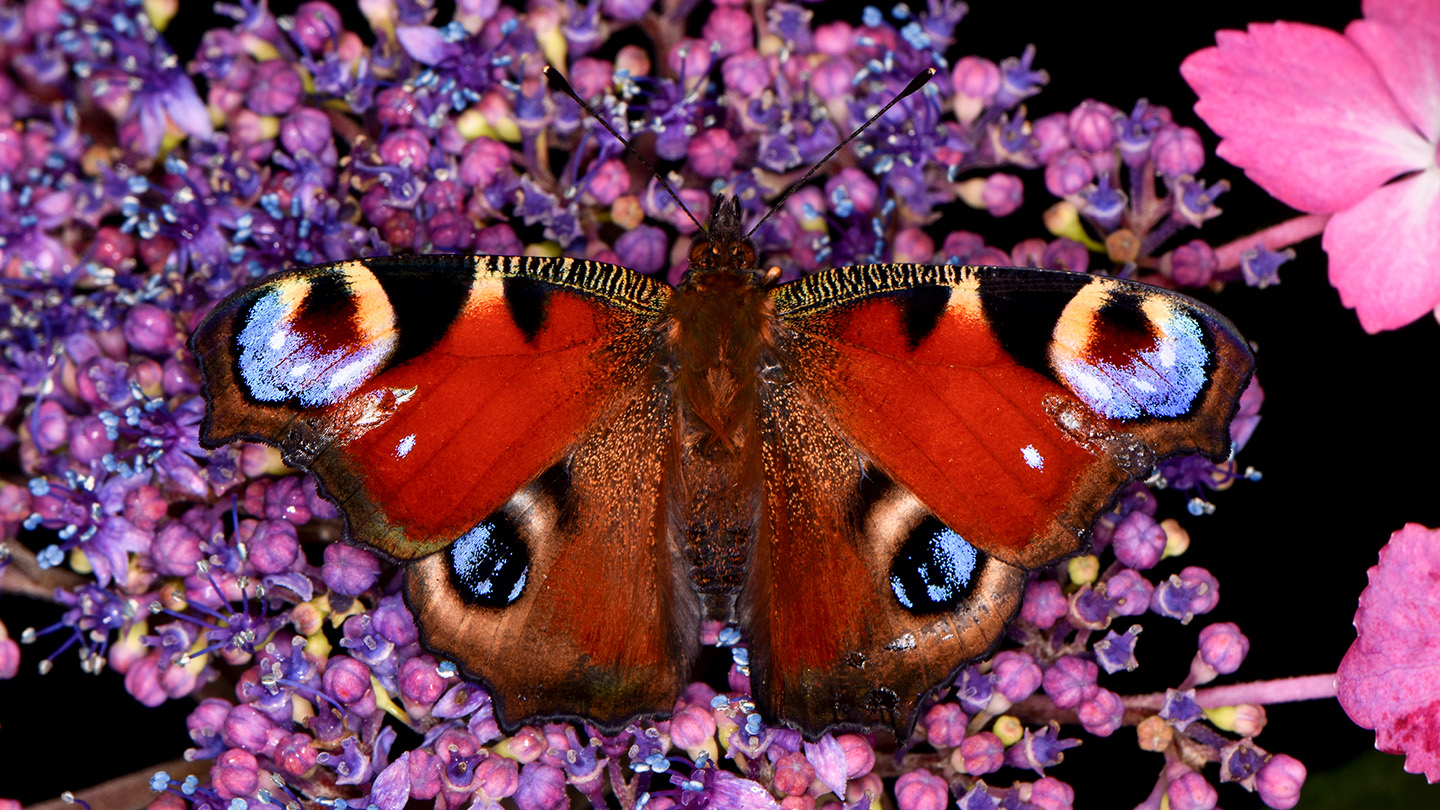
Birds, bees, butterflies, and moths have been found to accumulate static electricity as they flutter their wings, which may help them to potentially pull pollen from nearby flowers. Research conducted by ecologists Sam England and Daniel Robert measured the electrostatic charges of various butterflies and moths and found that the average charge of a butterfly is strong enough to move pollen grains at least six millimeters. This suggests that lepidopterans may be able to pollinate flowers without having to physically land on them. The amount of charge varied across species, likely due to differences in body surface area.

The polarity of the charge and its strength in lepidopterans seem to be related to benefits in their respective environments. For example, insects from temperate regions were found to have higher positive charges, aiding in their ability to detect flowers’ electric fields, which can convey information about nectar availability. In contrast, insects from tropical regions were more likely to have a negative charge, potentially helping them evade detection by predators. This discovery points to the possibility that electrostatic charge may be an evolutionary trait that organisms are adapting to based on their ecological needs.

The research team’s computer simulation showed the trajectories of pollen grains in relation to a typically charged butterfly positioned six millimeters from a flower’s stamen. This visualization further supports the idea that electrostatic pollination is a significant factor in the pollination process for various organisms. Butterflies and moths are now added to the list of creatures capable of gathering pollen electrostatically, joining bees and hummingbirds. This diversity suggests that electrostatic pollination may be more widespread in the animal kingdom than previously recognized.

England and Robert note that the correlations between electrostatic charges and ecology highlight the potential influence of this trait on evolutionary processes. By studying the electrostatic interactions of butterflies and moths, researchers can gain insights into how these organisms have adapted to different environments and ecological challenges over time. The growing body of research on electrostatic pollination sheds light on a unique and potentially widespread mechanism in the natural world that contributes to the pollination process, which is crucial for ecosystem functioning and biodiversity conservation.

Follow on Google News Follow on Flipboard
Share. Facebook Twitter Pinterest Email Telegram WhatsApp Copy Link

You Might Like

Array

Array

Array

Array

Array

Array

Editors Picks

مرآة التاريخ: تحليل البناء السردي للدروس الخالدة في قصص الأنبياء والإسلام

3 weeks ago

السندات الحكومية والشركات: أساسيات الاستثمار الآمن والدخل الثابت

4 weeks ago

UAE Ranks Among Top Rugby Markets on TOD as British & Irish Lions Tour Kicks Off

5 months ago

Darven: A New Leap in AI-Powered Legal Technology Launching from the UAE to the World

5 months ago

Jordan to Host Iraq in the Final Round of the Asian World Cup Qualifiers After Securing Historic Spot

6 months ago

Latest News

فلسطين: قلبٌ ينبض بالصمود والأمل

6 months ago

Roland Garros 2025: A New Era of Viewing, A Tribute to Legends, and Moments to Remember

7 months ago

Array

7 months ago
Advertisement
Facebook X (Twitter) TikTok Instagram Threads
© 2025 West Timelines. All Rights Reserved. Developed By: Sawah Solutions
  • Privacy Policy
  • Terms
  • Contact

Type above and press Enter to search. Press Esc to cancel.