





Close Menu
West TimelinesWest Timelines
  • News
  • Politics
  • World
    • Africa
    • Asia
    • Australia
    • Europe
      • United Kingdom
      • Germany
      • France
      • Italy
      • Russia
      • Spain
      • Turkey
      • Ukraine
    • North America
      • United States
      • Canada
    • South America
  • Business
    • Finance
    • Markets
    • Investing
    • Small Business
    • Crypto
  • Elections
  • Entertainment
  • Health
  • Lifestyle
    • Fashion
    • Food & Drink
    • Travel
    • Astrology
  • Weird News
  • Science
  • Sports
    • Soccer
  • Technology
  • Viral Trends
Trending Now

Dubai Spotlight: Analyzing the Evolving Audience Tastes with AI Social Listening Tools in the UAE

2 weeks ago

مرآة التاريخ: تحليل البناء السردي للدروس الخالدة في قصص الأنبياء والإسلام

3 weeks ago

السندات الحكومية والشركات: أساسيات الاستثمار الآمن والدخل الثابت

4 weeks ago

UAE Ranks Among Top Rugby Markets on TOD as British & Irish Lions Tour Kicks Off

5 months ago

Darven: A New Leap in AI-Powered Legal Technology Launching from the UAE to the World

5 months ago
Facebook X (Twitter) Instagram
West TimelinesWest Timelines
  • News
  • US
  • #Elections
  • World
    • North America
      • United States
      • Canada
    • Europe
      • United Kingdom
      • Germany
      • France
      • Italy
      • Spain
      • Ukraine
      • Russia
      • Turkey
    • Asia
    • Australia
    • Africa
    • South America
  • Politics
  • Business
    • Finance
    • Investing
    • Markets
    • Small Business
    • Crypto
  • Lifestyle
    • Astrology
    • Fashion
    • Food & Drink
    • Travel
  • Health
  • Sports
    • Soccer
  • More
    • Entertainment
    • Technology
    • Science
    • Viral Trends
    • Weird News
Subscribe
  • Israel War
  • Ukraine War
  • United Kingdom
  • Canada
  • Germany
  • France
  • Italy
  • Russia
  • Spain
  • Turkey
  • Ukraine
West TimelinesWest Timelines
Home»Science
Science

How Ice Can Become Extremely Slippery

May 22, 2024No Comments3 Mins Read
Facebook Twitter Pinterest LinkedIn Telegram Email WhatsApp Copy Link

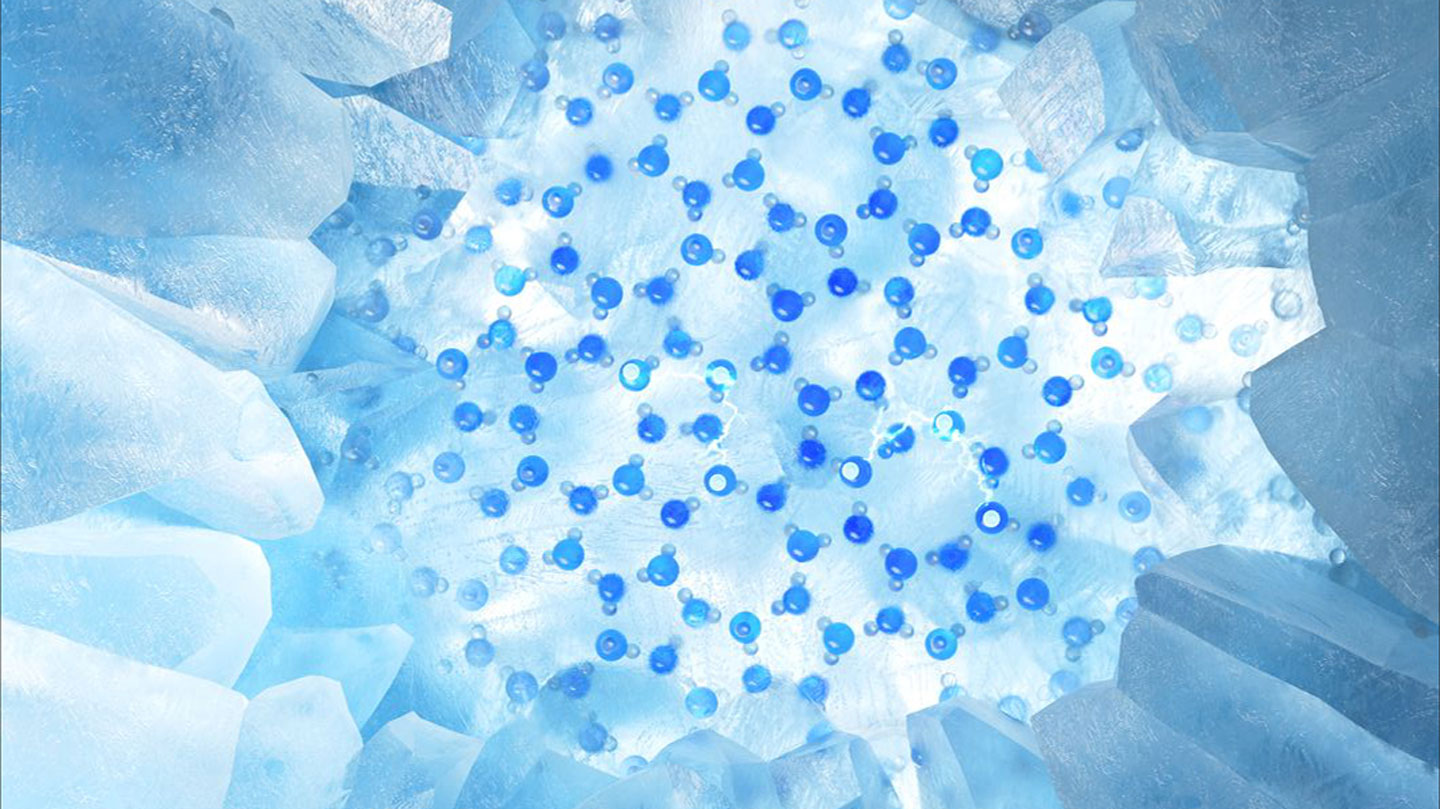
These boundaries, known as boundaries E and L, are created when layers of ice with different structures merge together. Boundary E is the result of ice crystals forming in a hexagonal shape, while boundary L is created by crystals stacking on top of each other in a more random, disorganized manner. The presence of these boundaries gives ice its unique properties, such as slipperiness and hardness.

Additionally, the smoothness of ice can be attributed to a thin layer of liquid water that forms on its surface when it comes into contact with other materials. This liquid layer reduces friction, making ice slippery and allowing objects to glide smoothly across its surface. This phenomenon is known as “ice lubrication” and is particularly noticeable in ice skating and skiing, where the reduced friction allows for faster speeds and smoother movements.

Ice’s slippery nature can also be explained by its molecular structure and the way in which water molecules arrange themselves in a crystalline lattice. The arrangement of water molecules in ice results in a low coefficient of friction, making it easier for objects to slide across its surface. This molecular structure also contributes to ice’s hardness and ability to support heavy loads, as demonstrated by its use in ice sculptures and construction projects.

Despite its smooth exterior, ice is actually a very brittle material that can break easily under pressure. This brittleness is due to the weak bonds between ice crystals, which can fracture and break when subjected to a sudden force or impact. This property of ice can be both advantageous and dangerous, as it allows for easy sculpting and shaping but also makes it prone to cracking and breaking under pressure.

In addition to its physical properties, ice also exhibits unique optical properties that make it appear translucent or opaque depending on the angle of the light. When light passes through ice, it is scattered and refracted by the crystalline structure, giving ice its characteristic blue or white color. This optical phenomenon is responsible for the stunning beauty of ice formations such as glaciers, icicles, and icebergs, which appear to glow and shimmer in the sunlight.

Overall, ice’s weirdly slick exterior can be attributed to a combination of factors, including the presence of boundaries E and L, the formation of a thin layer of liquid water on its surface, its molecular structure, and its unique optical properties. These properties give ice its slippery, hard, and brittle nature, making it a fascinating material with a wide range of uses and applications in various industries.

Follow on Google News Follow on Flipboard
Share. Facebook Twitter Pinterest Email Telegram WhatsApp Copy Link

You Might Like

Array

Array

Array

Array

Array

Array

Editors Picks

مرآة التاريخ: تحليل البناء السردي للدروس الخالدة في قصص الأنبياء والإسلام

3 weeks ago

السندات الحكومية والشركات: أساسيات الاستثمار الآمن والدخل الثابت

4 weeks ago

UAE Ranks Among Top Rugby Markets on TOD as British & Irish Lions Tour Kicks Off

5 months ago

Darven: A New Leap in AI-Powered Legal Technology Launching from the UAE to the World

5 months ago

Jordan to Host Iraq in the Final Round of the Asian World Cup Qualifiers After Securing Historic Spot

6 months ago

Latest News

فلسطين: قلبٌ ينبض بالصمود والأمل

6 months ago

Roland Garros 2025: A New Era of Viewing, A Tribute to Legends, and Moments to Remember

7 months ago

Array

7 months ago
Advertisement
Facebook X (Twitter) TikTok Instagram Threads
© 2025 West Timelines. All Rights Reserved. Developed By: Sawah Solutions
  • Privacy Policy
  • Terms
  • Contact

Type above and press Enter to search. Press Esc to cancel.