




Close Menu
West TimelinesWest Timelines
  • News
  • Politics
  • World
    • Africa
    • Asia
    • Australia
    • Europe
      • United Kingdom
      • Germany
      • France
      • Italy
      • Russia
      • Spain
      • Turkey
      • Ukraine
    • North America
      • United States
      • Canada
    • South America
  • Business
    • Finance
    • Markets
    • Investing
    • Small Business
    • Crypto
  • Elections
  • Entertainment
  • Health
  • Lifestyle
    • Fashion
    • Food & Drink
    • Travel
    • Astrology
  • Weird News
  • Science
  • Sports
    • Soccer
  • Technology
  • Viral Trends
Trending Now

Dubai Spotlight: Analyzing the Evolving Audience Tastes with AI Social Listening Tools in the UAE

2 weeks ago

مرآة التاريخ: تحليل البناء السردي للدروس الخالدة في قصص الأنبياء والإسلام

3 weeks ago

السندات الحكومية والشركات: أساسيات الاستثمار الآمن والدخل الثابت

4 weeks ago

UAE Ranks Among Top Rugby Markets on TOD as British & Irish Lions Tour Kicks Off

5 months ago

Darven: A New Leap in AI-Powered Legal Technology Launching from the UAE to the World

5 months ago
Facebook X (Twitter) Instagram
West TimelinesWest Timelines
  • News
  • US
  • #Elections
  • World
    • North America
      • United States
      • Canada
    • Europe
      • United Kingdom
      • Germany
      • France
      • Italy
      • Spain
      • Ukraine
      • Russia
      • Turkey
    • Asia
    • Australia
    • Africa
    • South America
  • Politics
  • Business
    • Finance
    • Investing
    • Markets
    • Small Business
    • Crypto
  • Lifestyle
    • Astrology
    • Fashion
    • Food & Drink
    • Travel
  • Health
  • Sports
    • Soccer
  • More
    • Entertainment
    • Technology
    • Science
    • Viral Trends
    • Weird News
Subscribe
  • Israel War
  • Ukraine War
  • United Kingdom
  • Canada
  • Germany
  • France
  • Italy
  • Russia
  • Spain
  • Turkey
  • Ukraine
West TimelinesWest Timelines
Home»Science
Science

How accurate were the predictions of the sun’s corona during the 2024 eclipse?

May 28, 2024No Comments2 Mins Read
Facebook Twitter Pinterest LinkedIn Telegram Email WhatsApp Copy Link

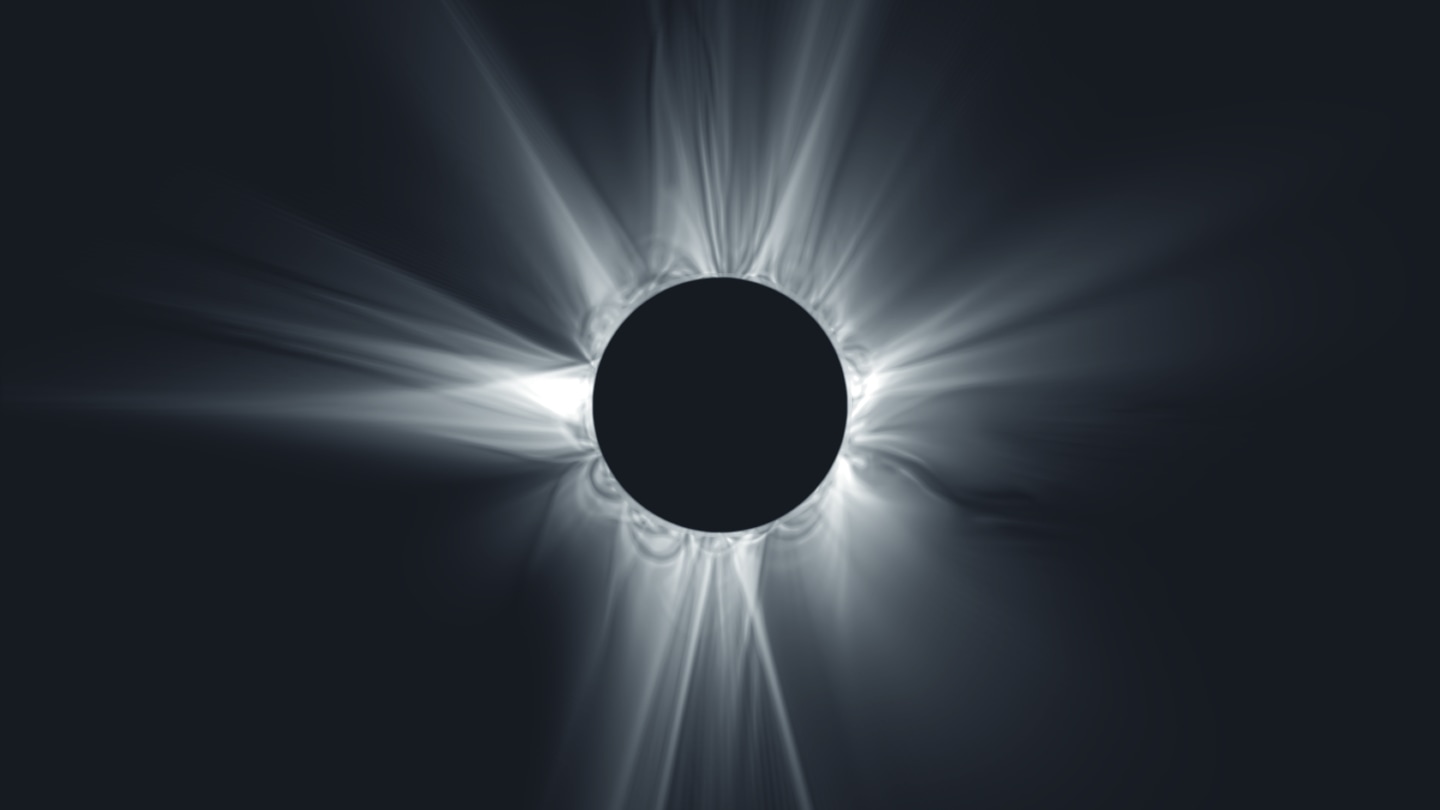
Predictive Science Inc. in San Diego has been creating computer simulations of the sun’s dynamic atmosphere since 1994 to help scientists understand its evolution and forecast the appearance of the corona during eclipses. The company’s recent forecast for the April 8 eclipse was fairly accurate, although high solar activity during solar maximum made the prediction slightly off. This highlights the need for more holistic observations of the sun and its atmosphere to improve predictive models.

The predictions made by the simulations are crucial for researchers studying the sun’s corona, as it helps them determine where to point their instruments for better observations. Total solar eclipses provide a rare opportunity to gather more information about the sun’s corona, as the moon’s position in front of the sun acts as the perfect “occultor” for observation purposes. The data collected during eclipses, combined with computer simulations, are vital for understanding mysteries surrounding the corona’s high temperature and forecasting space weather events.

One of the challenges in predicting the appearance of the corona during eclipses is the lack of comprehensive data about the sun’s atmosphere. Solar scientists often rely on limited perspectives of the corona to infer its structure, temperature, density, and magnetic fields. Currently, space weather predictions are far less accurate than terrestrial weather forecasts due to the constraints of studying the sun’s atmosphere from a single viewpoint.

During solar maximum, the sun’s activity is at its peak, leading to frequent flares and eruptions that affect the corona’s appearance. The company’s predictions for the 2024 eclipse were impacted by the sun’s increased activity, which resulted in newly discovered features that were not incorporated into the simulations. Access to up-to-date data from various sources, including NASA’s Solar Dynamics Observatory and the European Space Agency’s Solar Orbiter, helped improve the predictions for the eclipse.

In the future, improvements in solar observations, such as ESA’s PROBA-3 mission and the upcoming Vigil spacecraft, will enhance the accuracy of predictions for solar events and total solar eclipses. Having multiple spacecraft orbiting the sun and observing from different perspectives can provide a more comprehensive view of the sun’s activity, leading to better predictive models. Researchers are hopeful that these advancements will lead to more accurate forecasts for upcoming solar events and total solar eclipses in the near future.


Follow on Google News Follow on Flipboard
Share. Facebook Twitter Pinterest Email Telegram WhatsApp Copy Link

You Might Like

Array

Array

Array

Array

Array

Array

Editors Picks

مرآة التاريخ: تحليل البناء السردي للدروس الخالدة في قصص الأنبياء والإسلام

3 weeks ago

السندات الحكومية والشركات: أساسيات الاستثمار الآمن والدخل الثابت

4 weeks ago

UAE Ranks Among Top Rugby Markets on TOD as British & Irish Lions Tour Kicks Off

5 months ago

Darven: A New Leap in AI-Powered Legal Technology Launching from the UAE to the World

5 months ago

Jordan to Host Iraq in the Final Round of the Asian World Cup Qualifiers After Securing Historic Spot

6 months ago

Latest News

فلسطين: قلبٌ ينبض بالصمود والأمل

6 months ago

Roland Garros 2025: A New Era of Viewing, A Tribute to Legends, and Moments to Remember

7 months ago

Array

7 months ago
Advertisement
Facebook X (Twitter) TikTok Instagram Threads
© 2025 West Timelines. All Rights Reserved. Developed By: Sawah Solutions
  • Privacy Policy
  • Terms
  • Contact

Type above and press Enter to search. Press Esc to cancel.