





Close Menu
West TimelinesWest Timelines
  • News
  • Politics
  • World
    • Africa
    • Asia
    • Australia
    • Europe
      • United Kingdom
      • Germany
      • France
      • Italy
      • Russia
      • Spain
      • Turkey
      • Ukraine
    • North America
      • United States
      • Canada
    • South America
  • Business
    • Finance
    • Markets
    • Investing
    • Small Business
    • Crypto
  • Elections
  • Entertainment
  • Health
  • Lifestyle
    • Fashion
    • Food & Drink
    • Travel
    • Astrology
  • Weird News
  • Science
  • Sports
    • Soccer
  • Technology
  • Viral Trends
Trending Now

Dubai Spotlight: Analyzing the Evolving Audience Tastes with AI Social Listening Tools in the UAE

1 month ago

مرآة التاريخ: تحليل البناء السردي للدروس الخالدة في قصص الأنبياء والإسلام

1 month ago

السندات الحكومية والشركات: أساسيات الاستثمار الآمن والدخل الثابت

1 month ago

UAE Ranks Among Top Rugby Markets on TOD as British & Irish Lions Tour Kicks Off

6 months ago

Darven: A New Leap in AI-Powered Legal Technology Launching from the UAE to the World

6 months ago
Facebook X (Twitter) Instagram
West TimelinesWest Timelines
  • News
  • US
  • #Elections
  • World
    • North America
      • United States
      • Canada
    • Europe
      • United Kingdom
      • Germany
      • France
      • Italy
      • Spain
      • Ukraine
      • Russia
      • Turkey
    • Asia
    • Australia
    • Africa
    • South America
  • Politics
  • Business
    • Finance
    • Investing
    • Markets
    • Small Business
    • Crypto
  • Lifestyle
    • Astrology
    • Fashion
    • Food & Drink
    • Travel
  • Health
  • Sports
    • Soccer
  • More
    • Entertainment
    • Technology
    • Science
    • Viral Trends
    • Weird News
Subscribe
  • Israel War
  • Ukraine War
  • United Kingdom
  • Canada
  • Germany
  • France
  • Italy
  • Russia
  • Spain
  • Turkey
  • Ukraine
West TimelinesWest Timelines
Home»Business»Finance
Finance

High Interest Rates and the U.S. Deficit: Debunking the Myths

May 1, 2024No Comments3 Mins Read
Facebook Twitter Pinterest LinkedIn Telegram Email WhatsApp Copy Link

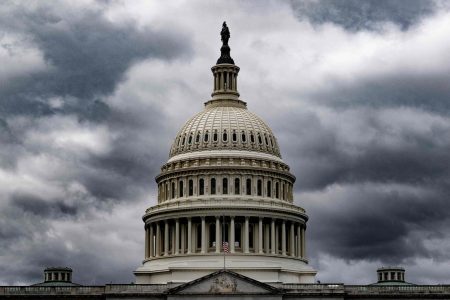
The increase in annual interest payments on federal debt to over $1 trillion in just three years has raised concerns about the U.S. heading towards a fiscal cliff. However, this interest burden is not as catastrophic as some may believe. While interest payments have more than doubled as a percentage of total federal outlays and GDP since 2021, they are still within historical norms when compared to other spending categories like entitlements and defense. In fact, interest payments on federal debt are at a similar level to what they were in the 1980s and 1990s.

Despite the quadrupling of federal debt as a percentage of GDP since 1980, interest payments have not exploded due to lower interest rates. This suggests that the level of public debt has little impact on stock market performance, with historical data showing that increasing levels of debt are actually associated with rising equity prices. This challenges the common belief that ballooning government debt crowds out private borrowers, stifles economic activity, and ultimately harms company earnings and stock prices.

While interest payments remain manageable and well within historical ranges, not all public borrowing is created equal. Investments in projects that are expected to provide future returns that exceed the cost of financing can be effective at boosting productivity and GDP growth. This return on investment is crucial for sustaining economic growth and raising median incomes. However, not all government expenditures offer a positive return, with wasteful spending contributing to unnecessary interest payments.

The debate over the increasing size of federal interest outlays points to a larger discussion about federal spending priorities. While some may view certain expenditures, such as Medicare, as wasteful, others may argue that they serve a socially desirable purpose. The key is to distinguish between investments that will yield long-term benefits and expenditures that contribute to interest payments without providing measurable returns. This highlights the importance of prudent fiscal management to ensure that public debt is used effectively to drive economic growth.

Moving forward, policymakers must carefully consider the impact of public spending on interest payments and prioritize investments that will generate positive returns for the economy. While public indebtedness can provide flexibility to manage complex economic challenges, it is essential to evaluate the cost-effectiveness of government projects and ensure that taxpayer dollars are used wisely. By investing in projects that boost productivity and drive GDP growth, the U.S. can continue to strengthen its economic position and support sustainable long-term growth.

Follow on Google News Follow on Flipboard
Share. Facebook Twitter Pinterest Email Telegram WhatsApp Copy Link

You Might Like

Array

Array

Array

Array

Array

Array

Editors Picks

مرآة التاريخ: تحليل البناء السردي للدروس الخالدة في قصص الأنبياء والإسلام

1 month ago

السندات الحكومية والشركات: أساسيات الاستثمار الآمن والدخل الثابت

1 month ago

UAE Ranks Among Top Rugby Markets on TOD as British & Irish Lions Tour Kicks Off

6 months ago

Darven: A New Leap in AI-Powered Legal Technology Launching from the UAE to the World

6 months ago

Jordan to Host Iraq in the Final Round of the Asian World Cup Qualifiers After Securing Historic Spot

6 months ago

Latest News

فلسطين: قلبٌ ينبض بالصمود والأمل

7 months ago

Roland Garros 2025: A New Era of Viewing, A Tribute to Legends, and Moments to Remember

7 months ago

Array

7 months ago
Advertisement
Facebook X (Twitter) TikTok Instagram Threads
© 2025 West Timelines. All Rights Reserved. Developed By: Sawah Solutions
  • Privacy Policy
  • Terms
  • Contact

Type above and press Enter to search. Press Esc to cancel.