




Close Menu
West TimelinesWest Timelines
  • News
  • Politics
  • World
    • Africa
    • Asia
    • Australia
    • Europe
      • United Kingdom
      • Germany
      • France
      • Italy
      • Russia
      • Spain
      • Turkey
      • Ukraine
    • North America
      • United States
      • Canada
    • South America
  • Business
    • Finance
    • Markets
    • Investing
    • Small Business
    • Crypto
  • Elections
  • Entertainment
  • Health
  • Lifestyle
    • Fashion
    • Food & Drink
    • Travel
    • Astrology
  • Weird News
  • Science
  • Sports
    • Soccer
  • Technology
  • Viral Trends
Trending Now

Dubai Spotlight: Analyzing the Evolving Audience Tastes with AI Social Listening Tools in the UAE

2 weeks ago

مرآة التاريخ: تحليل البناء السردي للدروس الخالدة في قصص الأنبياء والإسلام

3 weeks ago

السندات الحكومية والشركات: أساسيات الاستثمار الآمن والدخل الثابت

4 weeks ago

UAE Ranks Among Top Rugby Markets on TOD as British & Irish Lions Tour Kicks Off

5 months ago

Darven: A New Leap in AI-Powered Legal Technology Launching from the UAE to the World

5 months ago
Facebook X (Twitter) Instagram
West TimelinesWest Timelines
  • News
  • US
  • #Elections
  • World
    • North America
      • United States
      • Canada
    • Europe
      • United Kingdom
      • Germany
      • France
      • Italy
      • Spain
      • Ukraine
      • Russia
      • Turkey
    • Asia
    • Australia
    • Africa
    • South America
  • Politics
  • Business
    • Finance
    • Investing
    • Markets
    • Small Business
    • Crypto
  • Lifestyle
    • Astrology
    • Fashion
    • Food & Drink
    • Travel
  • Health
  • Sports
    • Soccer
  • More
    • Entertainment
    • Technology
    • Science
    • Viral Trends
    • Weird News
Subscribe
  • Israel War
  • Ukraine War
  • United Kingdom
  • Canada
  • Germany
  • France
  • Italy
  • Russia
  • Spain
  • Turkey
  • Ukraine
West TimelinesWest Timelines
Home»Science
Science

Flowers could potentially act as large antennas for the electrical signals of bees

April 10, 2024No Comments2 Mins Read
Facebook Twitter Pinterest LinkedIn Telegram Email WhatsApp Copy Link

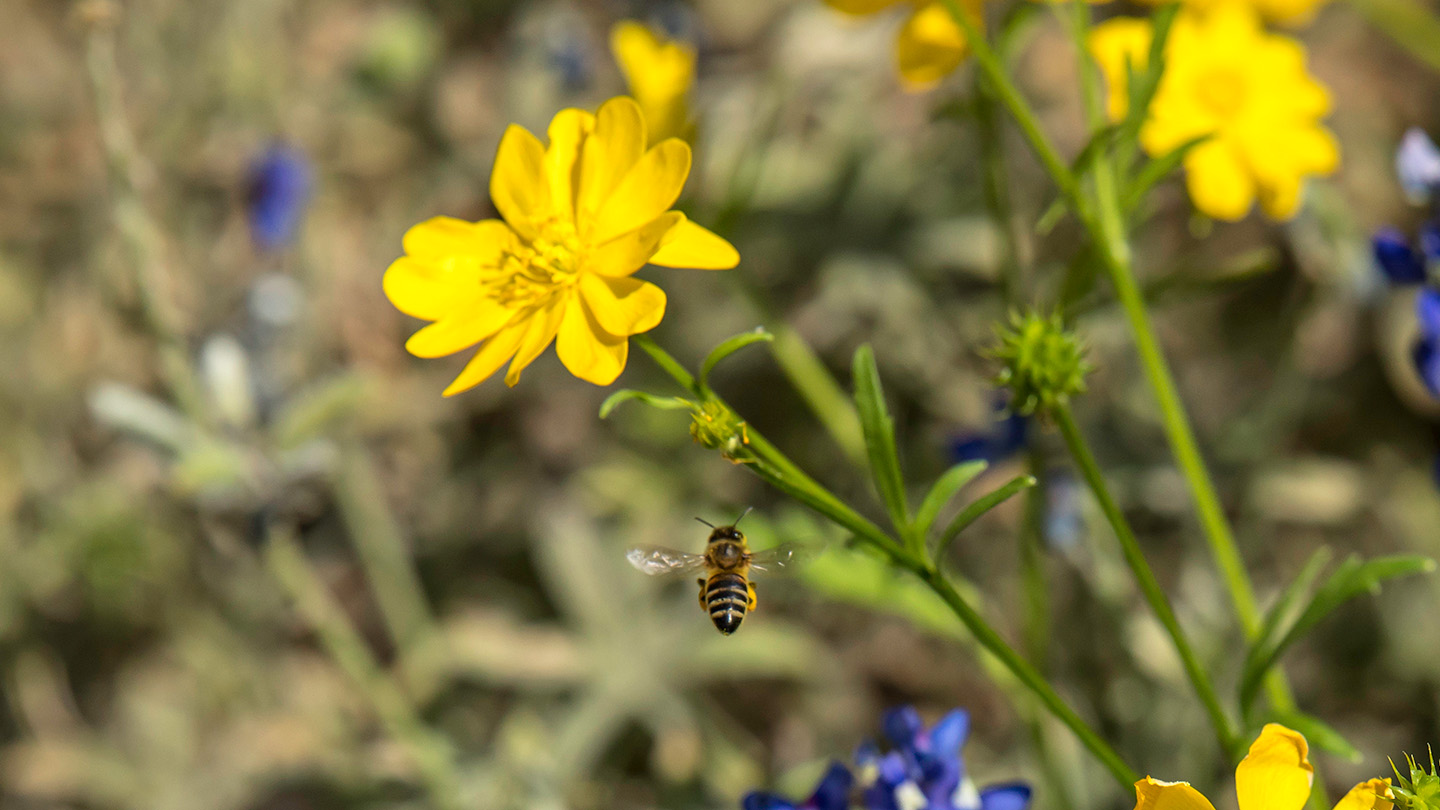
Recent research has indicated that flowering plants may have the ability to transmit electrical signals through the soil, acting as antennas for bees’ electrical signals. This discovery sheds light on how plants communicate with each other, specifically regarding when to produce nectar. This communication could potentially help plants save energy by signaling when pollinators are present.

Bumblebees have a positive electric charge, while flowers carry a negative charge. Previous studies have shown that petunia stems become more charged when a bee approaches, and their flowers increase scent production at the same time. This suggests that plants can detect pollinators based on a noncontact electrical signal.

In a new study, researchers used antennas to mimic the electric signals produced by a bee’s wings flapping, which were then placed above daffodils in a laboratory setting. They found that daffodils could receive electrical signals from the antennas without physical contact. Altering the shape of the flower, such as by removing the center trumpet or petals, reduced the plant’s ability to receive signals, possibly due to changes in its structure.

The research was then extended to hogweed plants and buttercups in outdoor gardens. The team continued to mimic sending bee-like signals above a row of flowers, with nearby flowers in the soil also wearing electrodes. Even when covered with a shield to block signals in the air, the shielded plants detected electrical signals, suggesting that the signals were passed underground to other plants.

Some experts remain skeptical of the results, questioning the transmission of the detected signals. While the experiments showed a weaker signal than the input, researchers believe the signals could be transmitted underground through various means, such as electrolytes, wet soil, or fungi. This exchange could have implications for how plants conserve energy by timing nectar production when pollinators are present.

The ability of plants to communicate through electrical signals raises intriguing questions about their interconnectedness and potential forms of nonverbal communication. While the idea of plants talking to each other through electric fields may seem far-fetched, further research is needed to fully understand the extent of this communication and its practical implications. Overall, this research highlights the complexity and sophistication of plant behavior and interactions in nature.


Follow on Google News Follow on Flipboard
Share. Facebook Twitter Pinterest Email Telegram WhatsApp Copy Link

You Might Like

Array

Array

Array

Array

Array

Array

Editors Picks

مرآة التاريخ: تحليل البناء السردي للدروس الخالدة في قصص الأنبياء والإسلام

3 weeks ago

السندات الحكومية والشركات: أساسيات الاستثمار الآمن والدخل الثابت

4 weeks ago

UAE Ranks Among Top Rugby Markets on TOD as British & Irish Lions Tour Kicks Off

5 months ago

Darven: A New Leap in AI-Powered Legal Technology Launching from the UAE to the World

5 months ago

Jordan to Host Iraq in the Final Round of the Asian World Cup Qualifiers After Securing Historic Spot

6 months ago

Latest News

فلسطين: قلبٌ ينبض بالصمود والأمل

6 months ago

Roland Garros 2025: A New Era of Viewing, A Tribute to Legends, and Moments to Remember

7 months ago

Array

7 months ago
Advertisement
Facebook X (Twitter) TikTok Instagram Threads
© 2025 West Timelines. All Rights Reserved. Developed By: Sawah Solutions
  • Privacy Policy
  • Terms
  • Contact

Type above and press Enter to search. Press Esc to cancel.