



Close Menu
West TimelinesWest Timelines
  • News
  • Politics
  • World
    • Africa
    • Asia
    • Australia
    • Europe
      • United Kingdom
      • Germany
      • France
      • Italy
      • Russia
      • Spain
      • Turkey
      • Ukraine
    • North America
      • United States
      • Canada
    • South America
  • Business
    • Finance
    • Markets
    • Investing
    • Small Business
    • Crypto
  • Elections
  • Entertainment
  • Health
  • Lifestyle
    • Fashion
    • Food & Drink
    • Travel
    • Astrology
  • Weird News
  • Science
  • Sports
    • Soccer
  • Technology
  • Viral Trends
Trending Now

Dubai Spotlight: Analyzing the Evolving Audience Tastes with AI Social Listening Tools in the UAE

2 weeks ago

مرآة التاريخ: تحليل البناء السردي للدروس الخالدة في قصص الأنبياء والإسلام

3 weeks ago

السندات الحكومية والشركات: أساسيات الاستثمار الآمن والدخل الثابت

4 weeks ago

UAE Ranks Among Top Rugby Markets on TOD as British & Irish Lions Tour Kicks Off

5 months ago

Darven: A New Leap in AI-Powered Legal Technology Launching from the UAE to the World

5 months ago
Facebook X (Twitter) Instagram
West TimelinesWest Timelines
  • News
  • US
  • #Elections
  • World
    • North America
      • United States
      • Canada
    • Europe
      • United Kingdom
      • Germany
      • France
      • Italy
      • Spain
      • Ukraine
      • Russia
      • Turkey
    • Asia
    • Australia
    • Africa
    • South America
  • Politics
  • Business
    • Finance
    • Investing
    • Markets
    • Small Business
    • Crypto
  • Lifestyle
    • Astrology
    • Fashion
    • Food & Drink
    • Travel
  • Health
  • Sports
    • Soccer
  • More
    • Entertainment
    • Technology
    • Science
    • Viral Trends
    • Weird News
Subscribe
  • Israel War
  • Ukraine War
  • United Kingdom
  • Canada
  • Germany
  • France
  • Italy
  • Russia
  • Spain
  • Turkey
  • Ukraine
West TimelinesWest Timelines
Home»Science
Science

Fiddler crabs moving towards cooler waters in the north

September 4, 2024No Comments2 Mins Read
Facebook Twitter Pinterest LinkedIn Telegram Email WhatsApp Copy Link

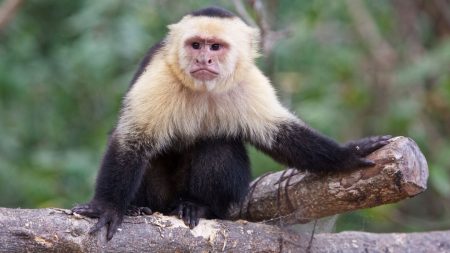
David Johnson studies the effect of climate change on marine invertebrates and coastal ecosystems in the Great Marsh. This area is the largest remaining swamp marsh left in New England and provides important services such as acting as nursery grounds for fish and supporting shell fishing and birding activities. Water in the Gulf of Maine is warming faster than almost anywhere else on the planet, leading to an increase in warm water species. Johnson has discovered a new species of crab, the purple marsh crab, which poses a threat to the marsh ecosystem due to its destructive feeding habits.

The fiddler crabs, which Johnson has been studying, have been found to reduce the amount of grass in the Great Marsh by 40 percent. This is in contrast to what is observed south of Cape Cod, where the presence of fiddler crabs helps plant growth. Fiddler crabs have been shown to have an impact on the marsh’s ability to keep up with sea level rise by reducing the amount of biomass that traps mud, which is essential for building up the marsh over time. Salt marshes help in storing carbon, and any disturbance to their ecosystems can release stored carbon back into the atmosphere.

In addition to studying the impact of fiddler crabs on the marsh ecosystem, Johnson is also monitoring the presence of other climate migrants, such as the blue crab and the purple marsh crab. While these species have shown up in the area, their impact on the local economy and ecology is still uncertain. Johnson emphasizes the importance of continued monitoring to understand the long-term impacts of these climate migrants on the Great Marsh. The rate of climate migrations is accelerating, and it is important to track these changes to predict their effects on the local ecosystems.

Salt marshes store more carbon than almost any other ecosystems on Earth, making them crucial for mitigating climate change. However, any disruption to the marsh ecosystem, such as the introduction of new species like the fiddler crabs, can lead to the release of stored carbon back into the atmosphere. Johnson and his team are working to understand the effects of these climate migrants on the marsh’s ability to store carbon and adapt to changing environmental conditions. The future of the Great Marsh and its inhabitants is uncertain, but ongoing research and monitoring are essential to ensure its long-term sustainability.

Follow on Google News Follow on Flipboard
Share. Facebook Twitter Pinterest Email Telegram WhatsApp Copy Link

You Might Like

Array

Array

Array

Array

Array

Array

Editors Picks

مرآة التاريخ: تحليل البناء السردي للدروس الخالدة في قصص الأنبياء والإسلام

3 weeks ago

السندات الحكومية والشركات: أساسيات الاستثمار الآمن والدخل الثابت

4 weeks ago

UAE Ranks Among Top Rugby Markets on TOD as British & Irish Lions Tour Kicks Off

5 months ago

Darven: A New Leap in AI-Powered Legal Technology Launching from the UAE to the World

5 months ago

Jordan to Host Iraq in the Final Round of the Asian World Cup Qualifiers After Securing Historic Spot

6 months ago

Latest News

فلسطين: قلبٌ ينبض بالصمود والأمل

6 months ago

Roland Garros 2025: A New Era of Viewing, A Tribute to Legends, and Moments to Remember

7 months ago

Array

7 months ago
Advertisement
Facebook X (Twitter) TikTok Instagram Threads
© 2025 West Timelines. All Rights Reserved. Developed By: Sawah Solutions
  • Privacy Policy
  • Terms
  • Contact

Type above and press Enter to search. Press Esc to cancel.