




Close Menu
West TimelinesWest Timelines
  • News
  • Politics
  • World
    • Africa
    • Asia
    • Australia
    • Europe
      • United Kingdom
      • Germany
      • France
      • Italy
      • Russia
      • Spain
      • Turkey
      • Ukraine
    • North America
      • United States
      • Canada
    • South America
  • Business
    • Finance
    • Markets
    • Investing
    • Small Business
    • Crypto
  • Elections
  • Entertainment
  • Health
  • Lifestyle
    • Fashion
    • Food & Drink
    • Travel
    • Astrology
  • Weird News
  • Science
  • Sports
    • Soccer
  • Technology
  • Viral Trends
Trending Now

Dubai Spotlight: Analyzing the Evolving Audience Tastes with AI Social Listening Tools in the UAE

2 weeks ago

مرآة التاريخ: تحليل البناء السردي للدروس الخالدة في قصص الأنبياء والإسلام

3 weeks ago

السندات الحكومية والشركات: أساسيات الاستثمار الآمن والدخل الثابت

4 weeks ago

UAE Ranks Among Top Rugby Markets on TOD as British & Irish Lions Tour Kicks Off

5 months ago

Darven: A New Leap in AI-Powered Legal Technology Launching from the UAE to the World

5 months ago
Facebook X (Twitter) Instagram
West TimelinesWest Timelines
  • News
  • US
  • #Elections
  • World
    • North America
      • United States
      • Canada
    • Europe
      • United Kingdom
      • Germany
      • France
      • Italy
      • Spain
      • Ukraine
      • Russia
      • Turkey
    • Asia
    • Australia
    • Africa
    • South America
  • Politics
  • Business
    • Finance
    • Investing
    • Markets
    • Small Business
    • Crypto
  • Lifestyle
    • Astrology
    • Fashion
    • Food & Drink
    • Travel
  • Health
  • Sports
    • Soccer
  • More
    • Entertainment
    • Technology
    • Science
    • Viral Trends
    • Weird News
Subscribe
  • Israel War
  • Ukraine War
  • United Kingdom
  • Canada
  • Germany
  • France
  • Italy
  • Russia
  • Spain
  • Turkey
  • Ukraine
West TimelinesWest Timelines
Home»Science
Science

Experimental implant successfully reverses drug overdoses in animals

October 24, 2024No Comments3 Mins Read
Facebook Twitter Pinterest LinkedIn Telegram Email WhatsApp Copy Link

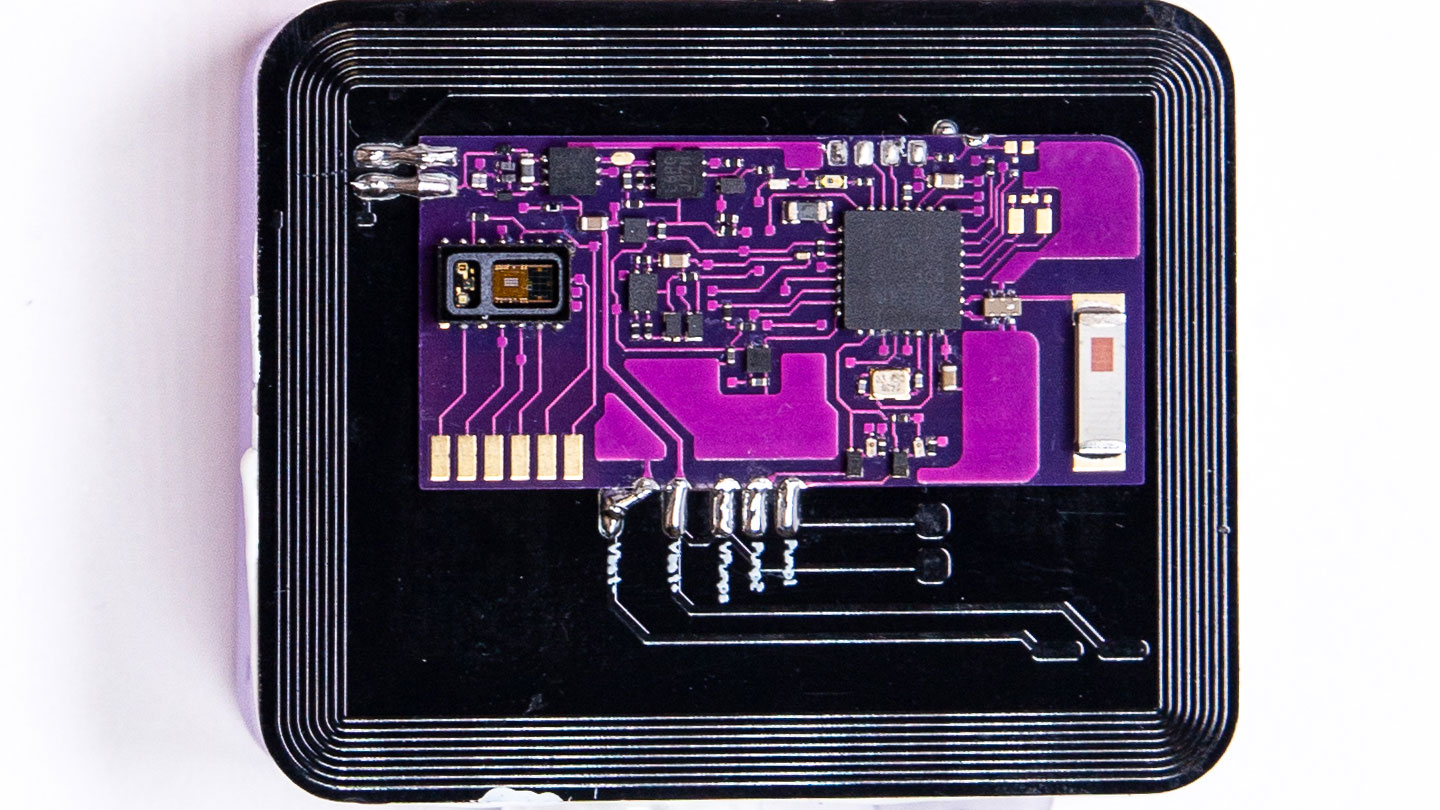
The Naloximeter is a new implant designed to detect when an opioid overdose is occurring and release naloxone directly into the bloodstream to reverse the overdose. It can also alert first responders about the situation. This device has the potential to save lives, especially for individuals who are alone when an overdose happens. While the Naloximeter has only been tested in animals so far, its innovative design offers hope for reducing the number of opioid-related deaths.

People who are newly sober after seeking treatment or being incarcerated are at high risk of overdosing because their tolerance to opioids has decreased. The first few months after periods of sobriety are especially dangerous, with individuals being 10 to 16 times more likely to die from an overdose during this time. The Naloximeter could be particularly beneficial for this high-risk group, offering them an extra layer of protection during a vulnerable period in their recovery journey.

The rise in opioid-related deaths in the United States, with over 80,000 deaths in 2023, underscores the urgent need for effective harm reduction strategies. While safe injection centers and hotlines have been traditional methods of harm reduction, new technologies such as the Naloximeter provide a different approach to addressing overdoses. Unlike existing apps and devices that can only monitor and alert responders, the Naloximeter has the potential to provide immediate treatment when an overdose occurs, significantly increasing the likelihood of reversing the overdose in a critical timeframe.

The sensor in the Naloximeter measures the decrease in oxygen levels in the bloodstream, a hallmark of an opioid overdose. Once the sensor detects an overdose, it can send an alert to the individual’s cell phone. This system allows the person to respond and confirm if the overdose is genuine, enabling the timely release of naloxone to counteract the effects of the opioids. In animal trials with rats and pigs, the Naloximeter was shown to be effective in delivering naloxone rapidly through an intravenous catheter integrated into the implant. This method delivered a sufficient dose of naloxone to have a significant effect on the brain within a minute.

While the Naloximeter shows promise in animal studies, there are still significant challenges to address before it can be tested in human clinical trials. Considerations such as the invasiveness of the implantation procedure, the cost of the device, and the willingness of individuals with substance abuse concerns to accept this technology are crucial factors to address. Despite these obstacles, the potential of the Naloximeter to save lives and reduce the devastating impact of opioid overdoses makes it an exciting development in the field of harm reduction and addiction treatment.


Follow on Google News Follow on Flipboard
Share. Facebook Twitter Pinterest Email Telegram WhatsApp Copy Link

You Might Like

Array

Array

Array

Array

Array

Array

Editors Picks

مرآة التاريخ: تحليل البناء السردي للدروس الخالدة في قصص الأنبياء والإسلام

3 weeks ago

السندات الحكومية والشركات: أساسيات الاستثمار الآمن والدخل الثابت

4 weeks ago

UAE Ranks Among Top Rugby Markets on TOD as British & Irish Lions Tour Kicks Off

5 months ago

Darven: A New Leap in AI-Powered Legal Technology Launching from the UAE to the World

5 months ago

Jordan to Host Iraq in the Final Round of the Asian World Cup Qualifiers After Securing Historic Spot

6 months ago

Latest News

فلسطين: قلبٌ ينبض بالصمود والأمل

6 months ago

Roland Garros 2025: A New Era of Viewing, A Tribute to Legends, and Moments to Remember

7 months ago

Array

7 months ago
Advertisement
Facebook X (Twitter) TikTok Instagram Threads
© 2025 West Timelines. All Rights Reserved. Developed By: Sawah Solutions
  • Privacy Policy
  • Terms
  • Contact

Type above and press Enter to search. Press Esc to cancel.