





Close Menu
West TimelinesWest Timelines
  • News
  • Politics
  • World
    • Africa
    • Asia
    • Australia
    • Europe
      • United Kingdom
      • Germany
      • France
      • Italy
      • Russia
      • Spain
      • Turkey
      • Ukraine
    • North America
      • United States
      • Canada
    • South America
  • Business
    • Finance
    • Markets
    • Investing
    • Small Business
    • Crypto
  • Elections
  • Entertainment
  • Health
  • Lifestyle
    • Fashion
    • Food & Drink
    • Travel
    • Astrology
  • Weird News
  • Science
  • Sports
    • Soccer
  • Technology
  • Viral Trends
Trending Now

Dubai Spotlight: Analyzing the Evolving Audience Tastes with AI Social Listening Tools in the UAE

2 weeks ago

مرآة التاريخ: تحليل البناء السردي للدروس الخالدة في قصص الأنبياء والإسلام

3 weeks ago

السندات الحكومية والشركات: أساسيات الاستثمار الآمن والدخل الثابت

4 weeks ago

UAE Ranks Among Top Rugby Markets on TOD as British & Irish Lions Tour Kicks Off

5 months ago

Darven: A New Leap in AI-Powered Legal Technology Launching from the UAE to the World

5 months ago
Facebook X (Twitter) Instagram
West TimelinesWest Timelines
  • News
  • US
  • #Elections
  • World
    • North America
      • United States
      • Canada
    • Europe
      • United Kingdom
      • Germany
      • France
      • Italy
      • Spain
      • Ukraine
      • Russia
      • Turkey
    • Asia
    • Australia
    • Africa
    • South America
  • Politics
  • Business
    • Finance
    • Investing
    • Markets
    • Small Business
    • Crypto
  • Lifestyle
    • Astrology
    • Fashion
    • Food & Drink
    • Travel
  • Health
  • Sports
    • Soccer
  • More
    • Entertainment
    • Technology
    • Science
    • Viral Trends
    • Weird News
Subscribe
  • Israel War
  • Ukraine War
  • United Kingdom
  • Canada
  • Germany
  • France
  • Italy
  • Russia
  • Spain
  • Turkey
  • Ukraine
West TimelinesWest Timelines
Home»Science
Science

Everywhere we look, Stray DNA could transform conservation efforts

November 14, 2024No Comments2 Mins Read
Facebook Twitter Pinterest LinkedIn Telegram Email WhatsApp Copy Link

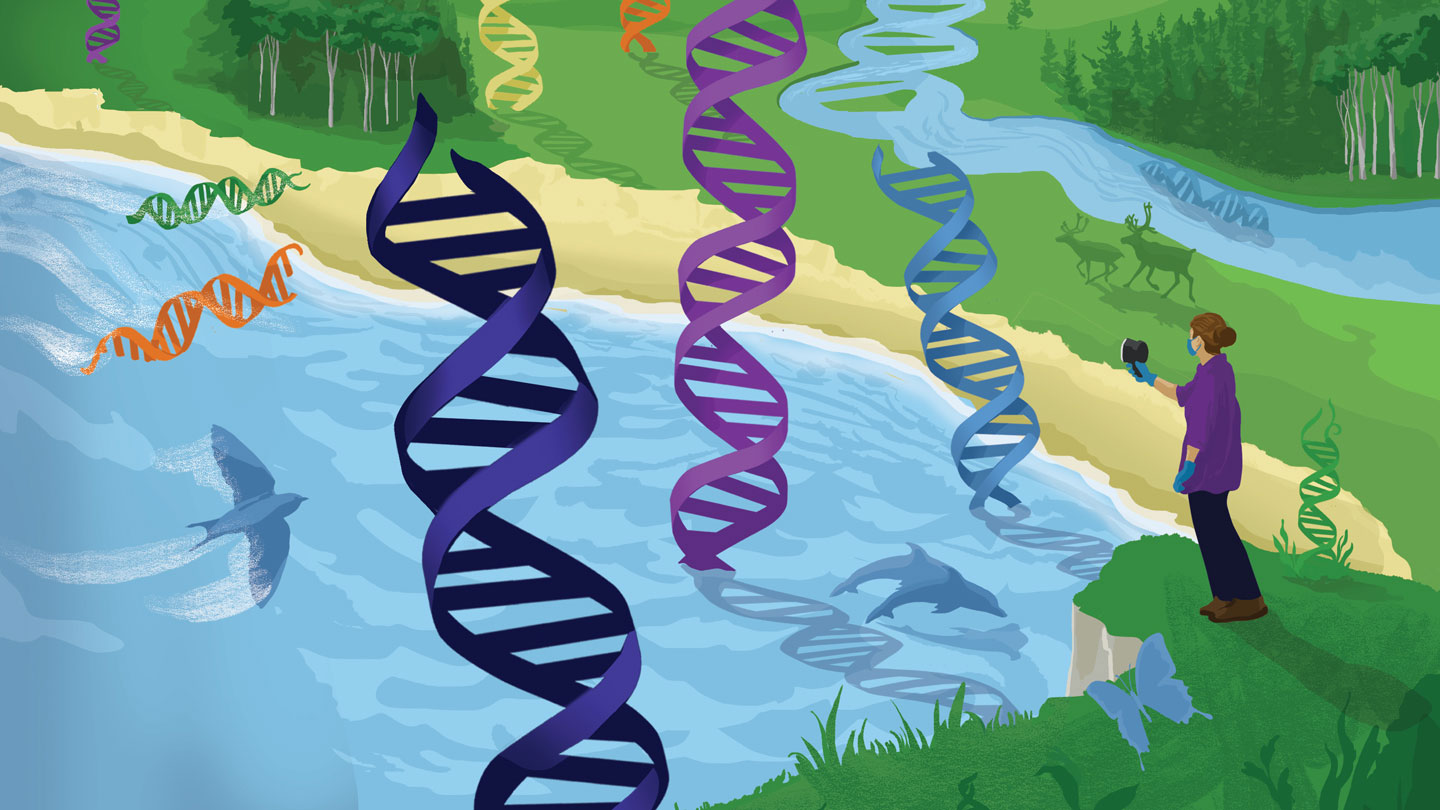
Molecular ecologists are revolutionizing the way scientists study biodiversity and conservation by using a technique known as environmental DNA (eDNA). This technique involves collecting genetic material left behind by living organisms in their environment, such as skin, scales, hair, urine, feces, pollen, and more. This eDNA provides a wealth of information about the presence of various species in a particular area, even those that are elusive or hard to spot. It widens the time window of detection and allows researchers to track the spread of invasive species, identify extinct species, and conduct biodiversity surveys.

One application of eDNA involves sampling water bodies to identify the aquatic life present. By collecting water samples and analyzing the genetic material they contain, researchers can determine which species inhabit the area, monitor biodiversity, and track the movements of animals. eDNA can also be used to study terrestrial species by collecting genetic material from the air. Airborne eDNA can reveal the presence of various species in an area and help researchers understand neotropical roosting ecology. The abundance of DNA in the air offers new ways to measure biodiversity and monitor animal populations.

Recent advancements in eDNA research include using RNA, the molecular cousin of DNA, to detect which organisms were most recently in a particular location. RNA degrades much faster than DNA, offering insights into recent activity in an area. Researchers can also use eRNA to distinguish between living and dead organisms, identify adults and juveniles, and obtain ecological information that DNA cannot provide. Developing technologies like SHERLOCK, which uses CRISPR to detect DNA or RNA in real-time, could revolutionize field testing and help scientists quickly assess the biodiversity of a location.

As species face increasing threats from climate change, habitat destruction, and other human activities, it is crucial to have a comprehensive understanding of global biodiversity. Molecular ecologists are working towards developing innovative techniques like eDNA and eRNA analysis to monitor, track, and conserve the diverse range of species that inhabit our planet. These cutting-edge methods offer new ways to study ecosystems, detect changes in biodiversity, and make informed conservation decisions. By harnessing the power of genetics and molecular biology, scientists are uncovering a wealth of information about the living world around us and working towards a more sustainable future for all species.
Follow on Google News Follow on Flipboard
Share. Facebook Twitter Pinterest Email Telegram WhatsApp Copy Link

You Might Like

Array

Array

Array

Array

Array

Array

Editors Picks

مرآة التاريخ: تحليل البناء السردي للدروس الخالدة في قصص الأنبياء والإسلام

3 weeks ago

السندات الحكومية والشركات: أساسيات الاستثمار الآمن والدخل الثابت

4 weeks ago

UAE Ranks Among Top Rugby Markets on TOD as British & Irish Lions Tour Kicks Off

5 months ago

Darven: A New Leap in AI-Powered Legal Technology Launching from the UAE to the World

5 months ago

Jordan to Host Iraq in the Final Round of the Asian World Cup Qualifiers After Securing Historic Spot

6 months ago

Latest News

فلسطين: قلبٌ ينبض بالصمود والأمل

6 months ago

Roland Garros 2025: A New Era of Viewing, A Tribute to Legends, and Moments to Remember

7 months ago

Array

7 months ago
Advertisement
Facebook X (Twitter) TikTok Instagram Threads
© 2025 West Timelines. All Rights Reserved. Developed By: Sawah Solutions
  • Privacy Policy
  • Terms
  • Contact

Type above and press Enter to search. Press Esc to cancel.