




Close Menu
West TimelinesWest Timelines
  • News
  • Politics
  • World
    • Africa
    • Asia
    • Australia
    • Europe
      • United Kingdom
      • Germany
      • France
      • Italy
      • Russia
      • Spain
      • Turkey
      • Ukraine
    • North America
      • United States
      • Canada
    • South America
  • Business
    • Finance
    • Markets
    • Investing
    • Small Business
    • Crypto
  • Elections
  • Entertainment
  • Health
  • Lifestyle
    • Fashion
    • Food & Drink
    • Travel
    • Astrology
  • Weird News
  • Science
  • Sports
    • Soccer
  • Technology
  • Viral Trends
Trending Now

Dubai Spotlight: Analyzing the Evolving Audience Tastes with AI Social Listening Tools in the UAE

2 weeks ago

مرآة التاريخ: تحليل البناء السردي للدروس الخالدة في قصص الأنبياء والإسلام

3 weeks ago

السندات الحكومية والشركات: أساسيات الاستثمار الآمن والدخل الثابت

4 weeks ago

UAE Ranks Among Top Rugby Markets on TOD as British & Irish Lions Tour Kicks Off

5 months ago

Darven: A New Leap in AI-Powered Legal Technology Launching from the UAE to the World

5 months ago
Facebook X (Twitter) Instagram
West TimelinesWest Timelines
  • News
  • US
  • #Elections
  • World
    • North America
      • United States
      • Canada
    • Europe
      • United Kingdom
      • Germany
      • France
      • Italy
      • Spain
      • Ukraine
      • Russia
      • Turkey
    • Asia
    • Australia
    • Africa
    • South America
  • Politics
  • Business
    • Finance
    • Investing
    • Markets
    • Small Business
    • Crypto
  • Lifestyle
    • Astrology
    • Fashion
    • Food & Drink
    • Travel
  • Health
  • Sports
    • Soccer
  • More
    • Entertainment
    • Technology
    • Science
    • Viral Trends
    • Weird News
Subscribe
  • Israel War
  • Ukraine War
  • United Kingdom
  • Canada
  • Germany
  • France
  • Italy
  • Russia
  • Spain
  • Turkey
  • Ukraine
West TimelinesWest Timelines
Home»Science
Science

DNA extracted from old hair confirms the gruesome diet of two 19th century lions

October 12, 2024No Comments3 Mins Read
Facebook Twitter Pinterest LinkedIn Telegram Email WhatsApp Copy Link

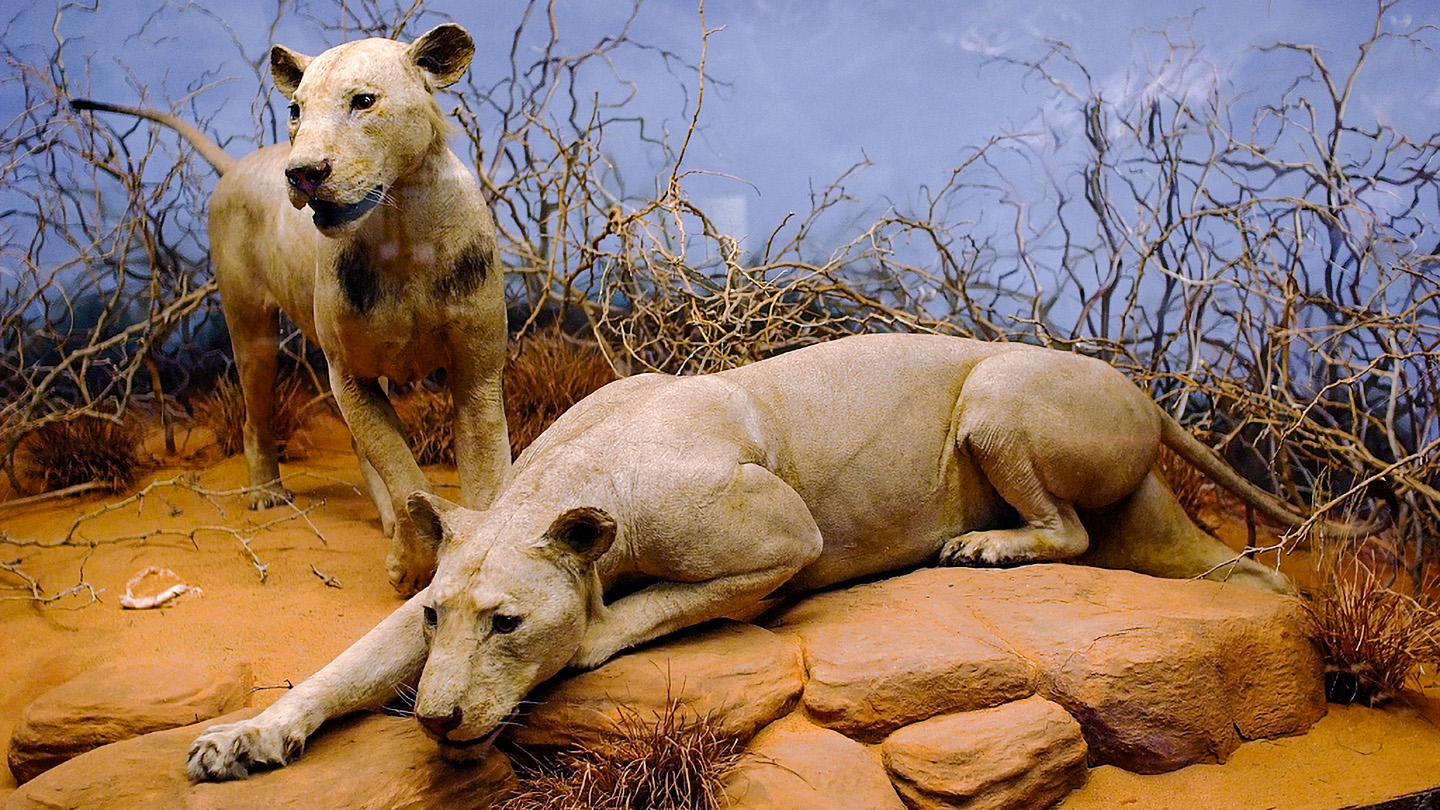
A recent study used DNA analysis on hairs found in the cavities of a pair of male lions known as the “man-eaters of Tsavo” who hunted and ate people building a local railway in Kenya more than a century ago. The analysis revealed a varied diet for the lions, including oryx, zebras, and wildebeest. The findings were unexpected, as wildebeest were not known to roam the Tsavo region at the time, raising questions about the predator-prey relationships in the ecosystem at that time. The analysis was able to identify specific species, such as giraffes, from the DNA found in the lions’ cavities.

Preserved skulls and skins of the famed lions at the Field Museum of Natural History in Chicago hold clues to the reasons behind the lions’ preference for hunting humans. The researchers found hairs from various mammals stuck in the lions’ teeth, allowing them to use DNA analysis to determine the animals that made up the lions’ diet. The study highlighted the potential for reconstructing diets from thousands of years ago using this method. The damaged and broken teeth of the lions may have been a reason why they resorted to hunting humans, as eating their usual menu of large herbivores became more challenging.

The study was unique in that it analyzed ancient hairs to identify the animals that they originated from, rather than starting with a known animal. By extracting and transcribing DNA from mitochondria in the hairs, researchers were able to match the DNA to a database of over 20 different African animal species. They found matches for multiple prey species, including giraffes, oryx, waterbuck, zebra, and wildebeest. The presence of wildebeest in the lions’ diet was surprising, as they were not known to be in the Tsavo region at the time of the lions’ reign.

The finding of human DNA in the lions’ dental detritus further confirms the reputation of the Tsavo lions as “man-eaters.” The diverse menu of prey species discovered in the analysis was unexpected, considering the lions’ dental issues. The study has opened up new possibilities for reconstructing predators’ past diets using hair deposits found in museum collections, with the potential to reveal changes in diet over the animals’ lifetimes. Layers of fragmented hairs can provide insight into how dental injuries, such as those in the Tsavo lions, may have influenced their hunting behaviors.

The ability to reconstruct past diets of predators using ancient hairs highlights the hidden genetic information that can be found in bone or artifact crevices. The study showcases the potential for researchers to explore these hidden sources of information to ask unique and interesting questions about the diets and behaviors of long-dead animals. The new method of reconstructing past diets using DNA from hairs could provide valuable insights into the predator-prey relationships in ecosystems from centuries ago.
Follow on Google News Follow on Flipboard
Share. Facebook Twitter Pinterest Email Telegram WhatsApp Copy Link

You Might Like

Array

Array

Array

Array

Array

Array

Editors Picks

مرآة التاريخ: تحليل البناء السردي للدروس الخالدة في قصص الأنبياء والإسلام

3 weeks ago

السندات الحكومية والشركات: أساسيات الاستثمار الآمن والدخل الثابت

4 weeks ago

UAE Ranks Among Top Rugby Markets on TOD as British & Irish Lions Tour Kicks Off

5 months ago

Darven: A New Leap in AI-Powered Legal Technology Launching from the UAE to the World

5 months ago

Jordan to Host Iraq in the Final Round of the Asian World Cup Qualifiers After Securing Historic Spot

6 months ago

Latest News

فلسطين: قلبٌ ينبض بالصمود والأمل

6 months ago

Roland Garros 2025: A New Era of Viewing, A Tribute to Legends, and Moments to Remember

7 months ago

Array

7 months ago
Advertisement
Facebook X (Twitter) TikTok Instagram Threads
© 2025 West Timelines. All Rights Reserved. Developed By: Sawah Solutions
  • Privacy Policy
  • Terms
  • Contact

Type above and press Enter to search. Press Esc to cancel.