



Close Menu
West TimelinesWest Timelines
  • News
  • Politics
  • World
    • Africa
    • Asia
    • Australia
    • Europe
      • United Kingdom
      • Germany
      • France
      • Italy
      • Russia
      • Spain
      • Turkey
      • Ukraine
    • North America
      • United States
      • Canada
    • South America
  • Business
    • Finance
    • Markets
    • Investing
    • Small Business
    • Crypto
  • Elections
  • Entertainment
  • Health
  • Lifestyle
    • Fashion
    • Food & Drink
    • Travel
    • Astrology
  • Weird News
  • Science
  • Sports
    • Soccer
  • Technology
  • Viral Trends
Trending Now

Dubai Spotlight: Analyzing the Evolving Audience Tastes with AI Social Listening Tools in the UAE

2 weeks ago

مرآة التاريخ: تحليل البناء السردي للدروس الخالدة في قصص الأنبياء والإسلام

3 weeks ago

السندات الحكومية والشركات: أساسيات الاستثمار الآمن والدخل الثابت

4 weeks ago

UAE Ranks Among Top Rugby Markets on TOD as British & Irish Lions Tour Kicks Off

5 months ago

Darven: A New Leap in AI-Powered Legal Technology Launching from the UAE to the World

5 months ago
Facebook X (Twitter) Instagram
West TimelinesWest Timelines
  • News
  • US
  • #Elections
  • World
    • North America
      • United States
      • Canada
    • Europe
      • United Kingdom
      • Germany
      • France
      • Italy
      • Spain
      • Ukraine
      • Russia
      • Turkey
    • Asia
    • Australia
    • Africa
    • South America
  • Politics
  • Business
    • Finance
    • Investing
    • Markets
    • Small Business
    • Crypto
  • Lifestyle
    • Astrology
    • Fashion
    • Food & Drink
    • Travel
  • Health
  • Sports
    • Soccer
  • More
    • Entertainment
    • Technology
    • Science
    • Viral Trends
    • Weird News
Subscribe
  • Israel War
  • Ukraine War
  • United Kingdom
  • Canada
  • Germany
  • France
  • Italy
  • Russia
  • Spain
  • Turkey
  • Ukraine
West TimelinesWest Timelines
Home»Science
Science

COVID-19 virus sparks strong immune response in cells, potentially triggering pneumonia

April 10, 2024No Comments2 Mins Read
Facebook Twitter Pinterest LinkedIn Telegram Email WhatsApp Copy Link

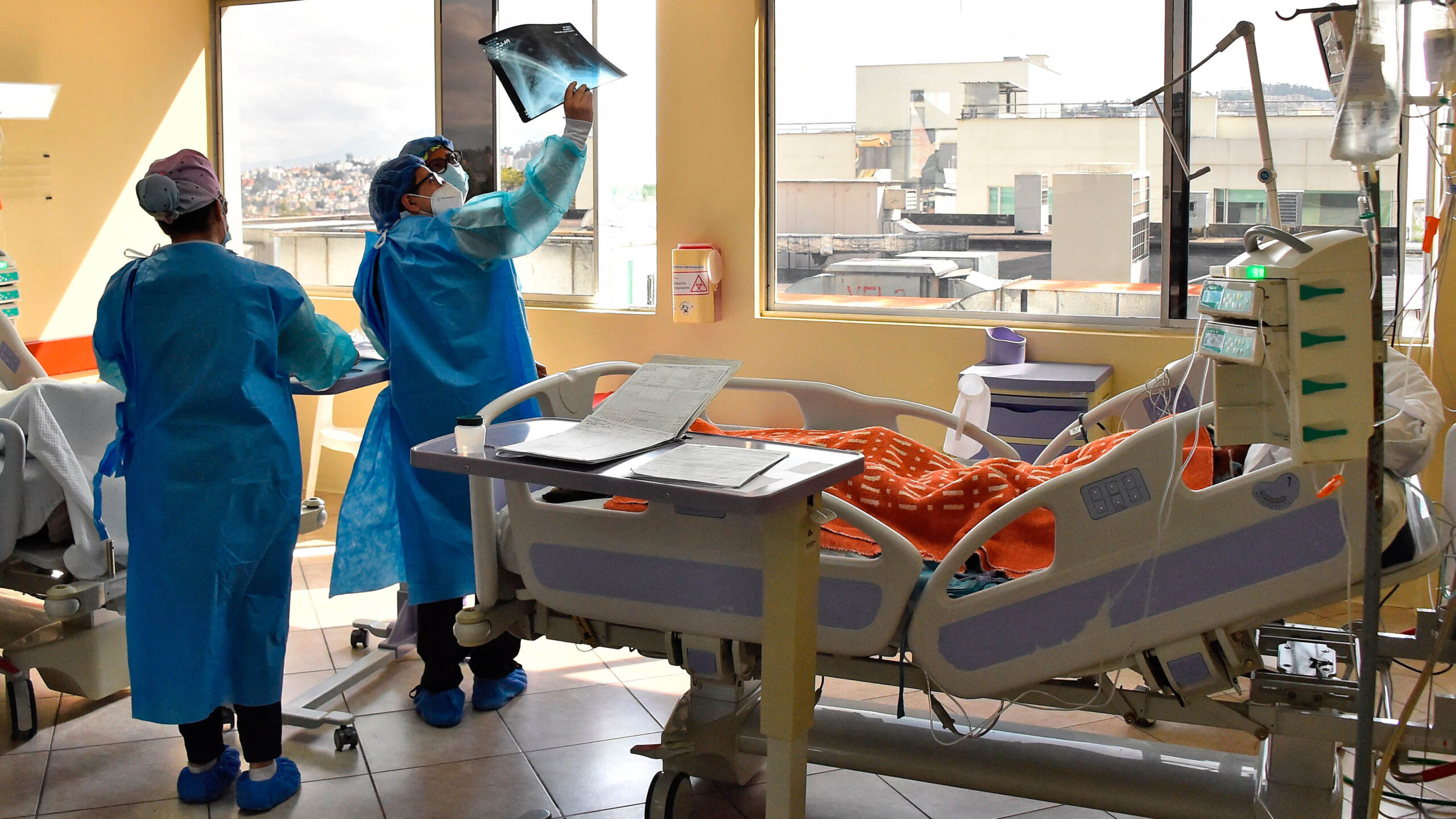
The infection caused by the SARS-CoV-2 virus in the lungs can lead to severe cases of COVID-19 due to the overwhelming inflammatory response of immune cells called interstitial macrophages. These cells play a crucial role in patrolling the lung tissue and can become infected in a significant way by the virus. Following infection, these cells experience an extreme inflammatory response, contributing to the development of pneumonia, a condition that damages the lungs and impairs breathing.

Researchers aimed to investigate the progression of a coronavirus infection in the lungs and the factors that drive the escalation to pneumonia. By exposing thin slices of human lung tissue to SARS-CoV-2, the team observed that the majority of infected cells were macrophages, key players in the immune system’s response. Further experiments demonstrated that interstitial macrophages, resident in lung tissue, were particularly susceptible to infection compared to macrophages associated with the air sacs, leading to a significant inflammatory response.

The interstitial macrophages responded to the virus by increasing their production of antiviral proteins and signaling other immune cells to combat the infection. This heightened immune response prompted a surge of cells and inflammatory proteins in the lungs’ airspace, impairing the function of air sacs and setting the stage for pneumonia. Additionally, the researchers discovered that SARS-CoV-2 enters interstitial macrophages through a different receptor than other cells, potentially explaining why treatments targeting the ACE2 receptor have been ineffective for severe pneumonia cases.

Despite the insights gained from studies using lung tissue slices, questions remain regarding how the virus initially infects lung tissue and accesses interstitial macrophages. While this research model provides valuable information, its ability to replicate the complexities of the body is limited. Complementing these studies with animal models could offer a more comprehensive understanding of the virus’s interactions with the lung tissue and immune cells.

The study sheds light on the crucial role of interstitial macrophages in the immune response to SARS-CoV-2 infection in the lungs, providing valuable insights into the mechanisms underlying severe cases of COVID-19. The findings highlight the intricate interplay between the virus and immune cells, as well as the potential implications for the development of pneumonia. Further research is needed to elucidate the complete picture of how the virus interacts with lung tissue and immune cells, and to explore potential therapeutic strategies targeting these interactions to improve outcomes for patients with severe COVID-19.

Follow on Google News Follow on Flipboard
Share. Facebook Twitter Pinterest Email Telegram WhatsApp Copy Link

You Might Like

Array

Array

Array

Array

Array

Array

Editors Picks

مرآة التاريخ: تحليل البناء السردي للدروس الخالدة في قصص الأنبياء والإسلام

3 weeks ago

السندات الحكومية والشركات: أساسيات الاستثمار الآمن والدخل الثابت

4 weeks ago

UAE Ranks Among Top Rugby Markets on TOD as British & Irish Lions Tour Kicks Off

5 months ago

Darven: A New Leap in AI-Powered Legal Technology Launching from the UAE to the World

5 months ago

Jordan to Host Iraq in the Final Round of the Asian World Cup Qualifiers After Securing Historic Spot

6 months ago

Latest News

فلسطين: قلبٌ ينبض بالصمود والأمل

6 months ago

Roland Garros 2025: A New Era of Viewing, A Tribute to Legends, and Moments to Remember

7 months ago

Array

7 months ago
Advertisement
Facebook X (Twitter) TikTok Instagram Threads
© 2025 West Timelines. All Rights Reserved. Developed By: Sawah Solutions
  • Privacy Policy
  • Terms
  • Contact

Type above and press Enter to search. Press Esc to cancel.