

Close Menu
West TimelinesWest Timelines
  • News
  • Politics
  • World
    • Africa
    • Asia
    • Australia
    • Europe
      • United Kingdom
      • Germany
      • France
      • Italy
      • Russia
      • Spain
      • Turkey
      • Ukraine
    • North America
      • United States
      • Canada
    • South America
  • Business
    • Finance
    • Markets
    • Investing
    • Small Business
    • Crypto
  • Elections
  • Entertainment
  • Health
  • Lifestyle
    • Fashion
    • Food & Drink
    • Travel
    • Astrology
  • Weird News
  • Science
  • Sports
    • Soccer
  • Technology
  • Viral Trends
Trending Now

Dubai Spotlight: Analyzing the Evolving Audience Tastes with AI Social Listening Tools in the UAE

2 weeks ago

مرآة التاريخ: تحليل البناء السردي للدروس الخالدة في قصص الأنبياء والإسلام

3 weeks ago

السندات الحكومية والشركات: أساسيات الاستثمار الآمن والدخل الثابت

4 weeks ago

UAE Ranks Among Top Rugby Markets on TOD as British & Irish Lions Tour Kicks Off

5 months ago

Darven: A New Leap in AI-Powered Legal Technology Launching from the UAE to the World

5 months ago
Facebook X (Twitter) Instagram
West TimelinesWest Timelines
  • News
  • US
  • #Elections
  • World
    • North America
      • United States
      • Canada
    • Europe
      • United Kingdom
      • Germany
      • France
      • Italy
      • Spain
      • Ukraine
      • Russia
      • Turkey
    • Asia
    • Australia
    • Africa
    • South America
  • Politics
  • Business
    • Finance
    • Investing
    • Markets
    • Small Business
    • Crypto
  • Lifestyle
    • Astrology
    • Fashion
    • Food & Drink
    • Travel
  • Health
  • Sports
    • Soccer
  • More
    • Entertainment
    • Technology
    • Science
    • Viral Trends
    • Weird News
Subscribe
  • Israel War
  • Ukraine War
  • United Kingdom
  • Canada
  • Germany
  • France
  • Italy
  • Russia
  • Spain
  • Turkey
  • Ukraine
West TimelinesWest Timelines
Home»Science
Science

Bird dung played a key role in constructing the U.S. empire

October 25, 2024No Comments3 Mins Read
Facebook Twitter Pinterest LinkedIn Telegram Email WhatsApp Copy Link

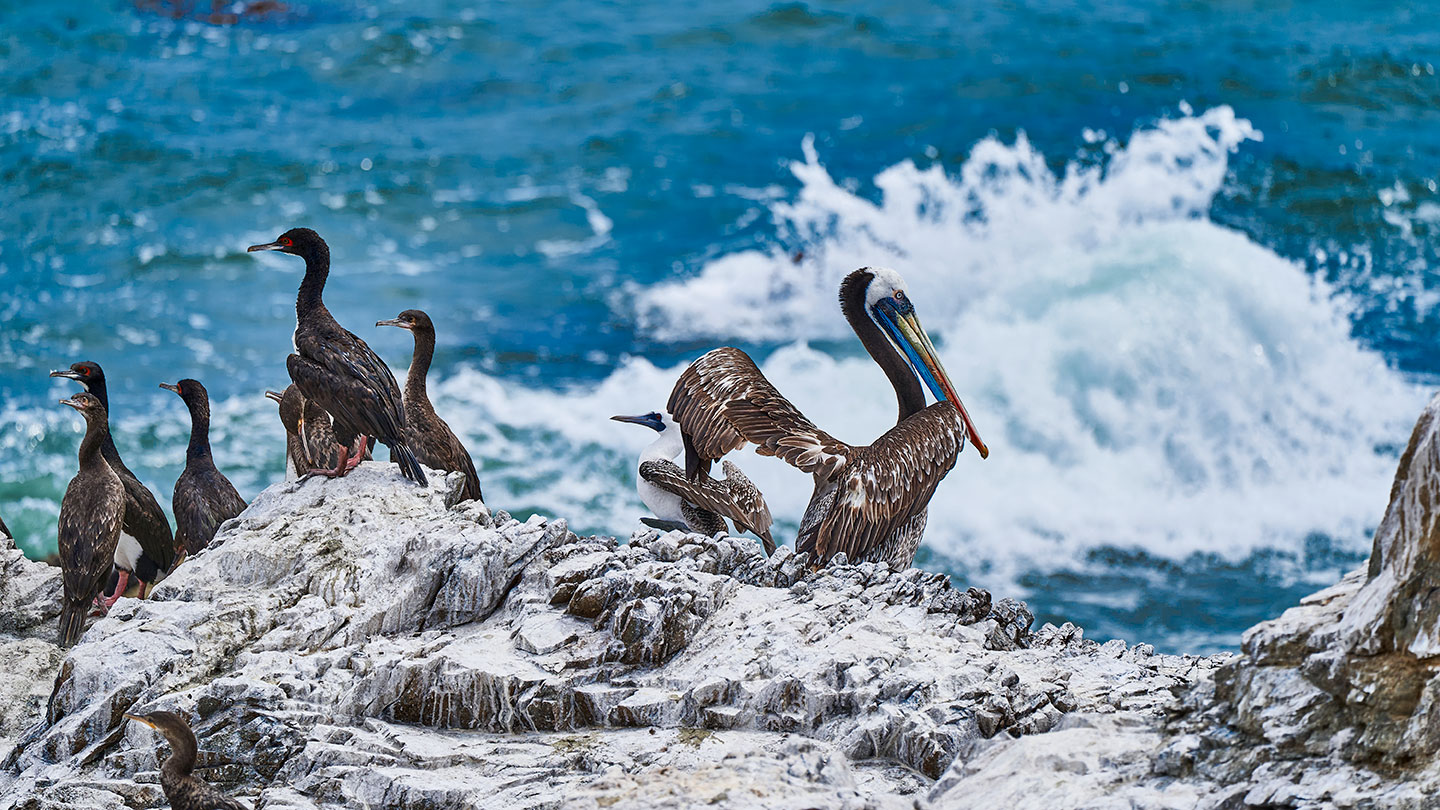
In the mid-1800s, the United States made a significant move to acquire territory overseas by sending representatives to Jarvis and Baker islands in the Pacific Ocean to examine the quality of the guano, or bird poop, found there. After estimating the quantity of guano and taking samples, the islands were claimed in the name of the newly formed American Guano Company and the United States. This marked the country’s first effort to secure access to this prized fertilizer for American agriculture.

U.S. ownership of these islands was solidified in 1856 with the passage of the Guano Islands Act by Congress. This act allowed the United States to claim sovereignty over allegedly uninhabited or unclaimed territories to access guano, an essential fertilizer for crops such as tobacco, cotton, and wheat. The act was intended to provide an alternative source of guano to Peru, which was known for its high-quality nitrogen-rich guano. Over time, the United States claimed numerous islands under this act, ultimately using them as military bases and strategic refueling stops.

The guano frenzy was triggered by soil depletion issues in Europe in the early 1800s. British chemist Justus von Liebig emphasized the need to replenish soil fertility to prevent soil exhaustion, leading to a search for effective fertilizers. Guano’s remarkable fertilizing properties were discovered and brought to Europe from Peru, where seabird guano was known for its high nitrogen content. The guano trade had a significant impact on agricultural practices and the construction of the Panama Canal.

Due to intense guano excavation in Peru, ecosystems were drastically affected. The high concentration of nutrients off the coast of Peru led to abundant fish populations and large bird colonies. However, human settlements established by guano diggers disrupted bird habitats, leading to decreased bird populations over time. When Peru’s guano supply was exhausted, nations turned to Chilean nitrates as an alternative nitrogen source, which eventually led to conflicts such as the War of the Pacific.

The discovery of a chemical reaction by German chemist Fritz Haber in the early 1900s revolutionized the production of synthetic fertilizers. By using molecular nitrogen gas from the atmosphere to create ammonia, synthetic fertilizers could be produced on a large scale. This discovery played a significant role in increasing agricultural productivity and supporting the world’s growing population. Today, mined guano is still used domestically in Peru and exported to other countries, such as the United States and Europe, for agricultural purposes.

Overall, the guano trade and subsequent developments in synthetic fertilizer production demonstrate the impact of resource acquisition on environment and geopolitics. The story of guano sheds light on how land grabs for natural resources can shape history and influence scientific advancements. By understanding the historical basis of U.S. empire building on bird dung, we can gain insights into the ecological and geopolitical repercussions of seeking valuable resources.
Follow on Google News Follow on Flipboard
Share. Facebook Twitter Pinterest Email Telegram WhatsApp Copy Link

You Might Like

Array

Array

Array

Array

Array

Array

Editors Picks

مرآة التاريخ: تحليل البناء السردي للدروس الخالدة في قصص الأنبياء والإسلام

3 weeks ago

السندات الحكومية والشركات: أساسيات الاستثمار الآمن والدخل الثابت

4 weeks ago

UAE Ranks Among Top Rugby Markets on TOD as British & Irish Lions Tour Kicks Off

5 months ago

Darven: A New Leap in AI-Powered Legal Technology Launching from the UAE to the World

5 months ago

Jordan to Host Iraq in the Final Round of the Asian World Cup Qualifiers After Securing Historic Spot

6 months ago

Latest News

فلسطين: قلبٌ ينبض بالصمود والأمل

6 months ago

Roland Garros 2025: A New Era of Viewing, A Tribute to Legends, and Moments to Remember

7 months ago

Array

7 months ago
Advertisement
Facebook X (Twitter) TikTok Instagram Threads
© 2025 West Timelines. All Rights Reserved. Developed By: Sawah Solutions
  • Privacy Policy
  • Terms
  • Contact

Type above and press Enter to search. Press Esc to cancel.