




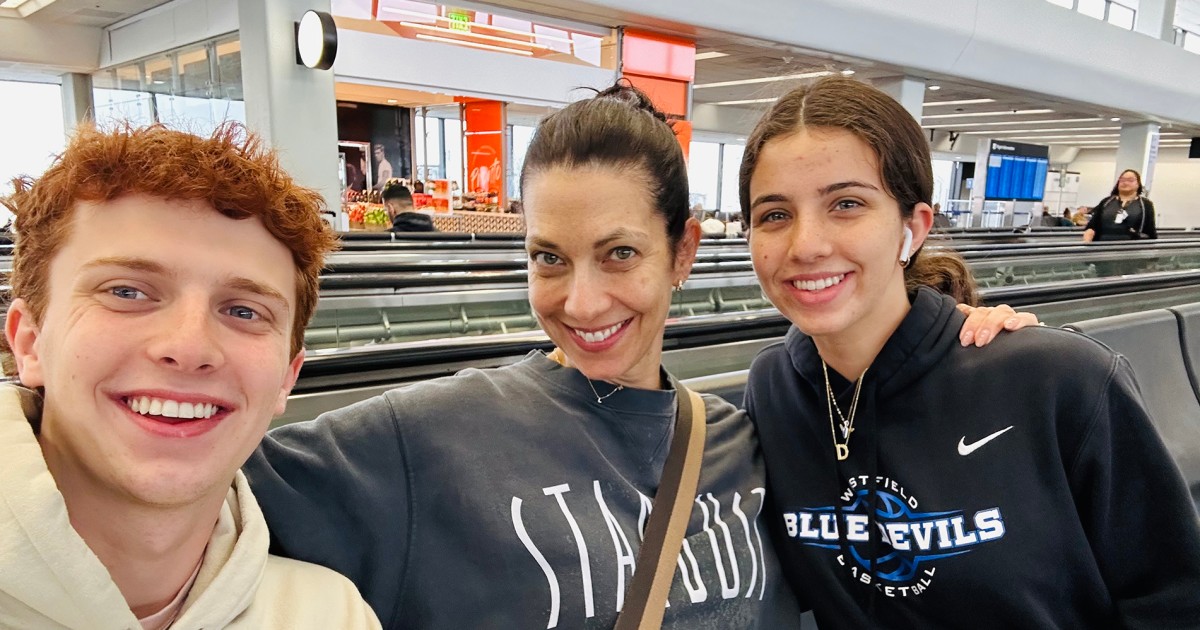
Dr. Natalie Azar, NBC News medical contributor and mother of a college sophomore and high school junior, shared tips on navigating the challenges of the back-to-school season. She emphasized the importance of ensuring that children are up to date on all necessary vaccines, including the flu shot, to protect against preventable diseases such as measles, mumps, rubella, polio, and meningitis. Azar recommended checking CDC.gov and consulting with a pediatrician to make sure children are fully vaccinated before the start of the school year.
In addition to vaccines, Azar stressed the importance of establishing a bedtime routine for children to ensure they are getting adequate sleep. Children between the ages of 6 and 12 need nine to 12 hours of sleep, while those between 13 and 18 require eight to 10 hours. She suggested gradually adjusting bedtime and wake-up times by 15 minutes each day leading up to the start of the school year to help children acclimate to the new routine and improve their physical, mental, and academic performance.
Azar also highlighted the significance of providing children with a healthy breakfast to fuel their bodies and minds for the day ahead. Skipping breakfast can negatively impact a child’s attention, energy levels, academic performance, and ability to handle frustration. She recommended waking up a little earlier or preparing grab-and-go options like whole grain cereal with low sugar content and high fiber to ensure children start their day with a nutritious meal.
For children with medical conditions such as asthma, allergies, diabetes, or epilepsy, Azar advised creating an action plan in collaboration with their pediatrician to ensure that school nurses have clear instructions and up-to-date medications to manage these conditions effectively. This proactive approach can help prevent complications and ensure that children receive timely and appropriate care while at school.
During the ongoing COVID-19 pandemic, Azar emphasized the importance of keeping sick children at home to prevent the spread of illness. With the U.S. facing a surge in COVID cases, it is crucial to prioritize the health and safety of children and high-risk family members by following recommended guidelines. Children should stay home if they exhibit symptoms of COVID or any other illness, and should only return to school once they have been fever-free and their symptoms have improved for at least 24 hours.
By following these guidelines and prioritizing children’s health and well-being, parents can help ease the transition back to school and support their children in maintaining healthy habits throughout the academic year. Dr. Natalie Azar’s recommendations serve as a valuable resource for parents navigating the challenges of the back-to-school season and promoting the overall well-being of their children.