




Close Menu
West TimelinesWest Timelines
  • News
  • Politics
  • World
    • Africa
    • Asia
    • Australia
    • Europe
      • United Kingdom
      • Germany
      • France
      • Italy
      • Russia
      • Spain
      • Turkey
      • Ukraine
    • North America
      • United States
      • Canada
    • South America
  • Business
    • Finance
    • Markets
    • Investing
    • Small Business
    • Crypto
  • Elections
  • Entertainment
  • Health
  • Lifestyle
    • Fashion
    • Food & Drink
    • Travel
    • Astrology
  • Weird News
  • Science
  • Sports
    • Soccer
  • Technology
  • Viral Trends
Trending Now

Dubai Spotlight: Analyzing the Evolving Audience Tastes with AI Social Listening Tools in the UAE

2 weeks ago

مرآة التاريخ: تحليل البناء السردي للدروس الخالدة في قصص الأنبياء والإسلام

3 weeks ago

السندات الحكومية والشركات: أساسيات الاستثمار الآمن والدخل الثابت

4 weeks ago

UAE Ranks Among Top Rugby Markets on TOD as British & Irish Lions Tour Kicks Off

5 months ago

Darven: A New Leap in AI-Powered Legal Technology Launching from the UAE to the World

5 months ago
Facebook X (Twitter) Instagram
West TimelinesWest Timelines
  • News
  • US
  • #Elections
  • World
    • North America
      • United States
      • Canada
    • Europe
      • United Kingdom
      • Germany
      • France
      • Italy
      • Spain
      • Ukraine
      • Russia
      • Turkey
    • Asia
    • Australia
    • Africa
    • South America
  • Politics
  • Business
    • Finance
    • Investing
    • Markets
    • Small Business
    • Crypto
  • Lifestyle
    • Astrology
    • Fashion
    • Food & Drink
    • Travel
  • Health
  • Sports
    • Soccer
  • More
    • Entertainment
    • Technology
    • Science
    • Viral Trends
    • Weird News
Subscribe
  • Israel War
  • Ukraine War
  • United Kingdom
  • Canada
  • Germany
  • France
  • Italy
  • Russia
  • Spain
  • Turkey
  • Ukraine
West TimelinesWest Timelines
Home»Science
Science

Archaeological Sites Reveal Human Brains in Remarkably Good Condition

March 25, 2024No Comments2 Mins Read
Facebook Twitter Pinterest LinkedIn Telegram Email WhatsApp Copy Link

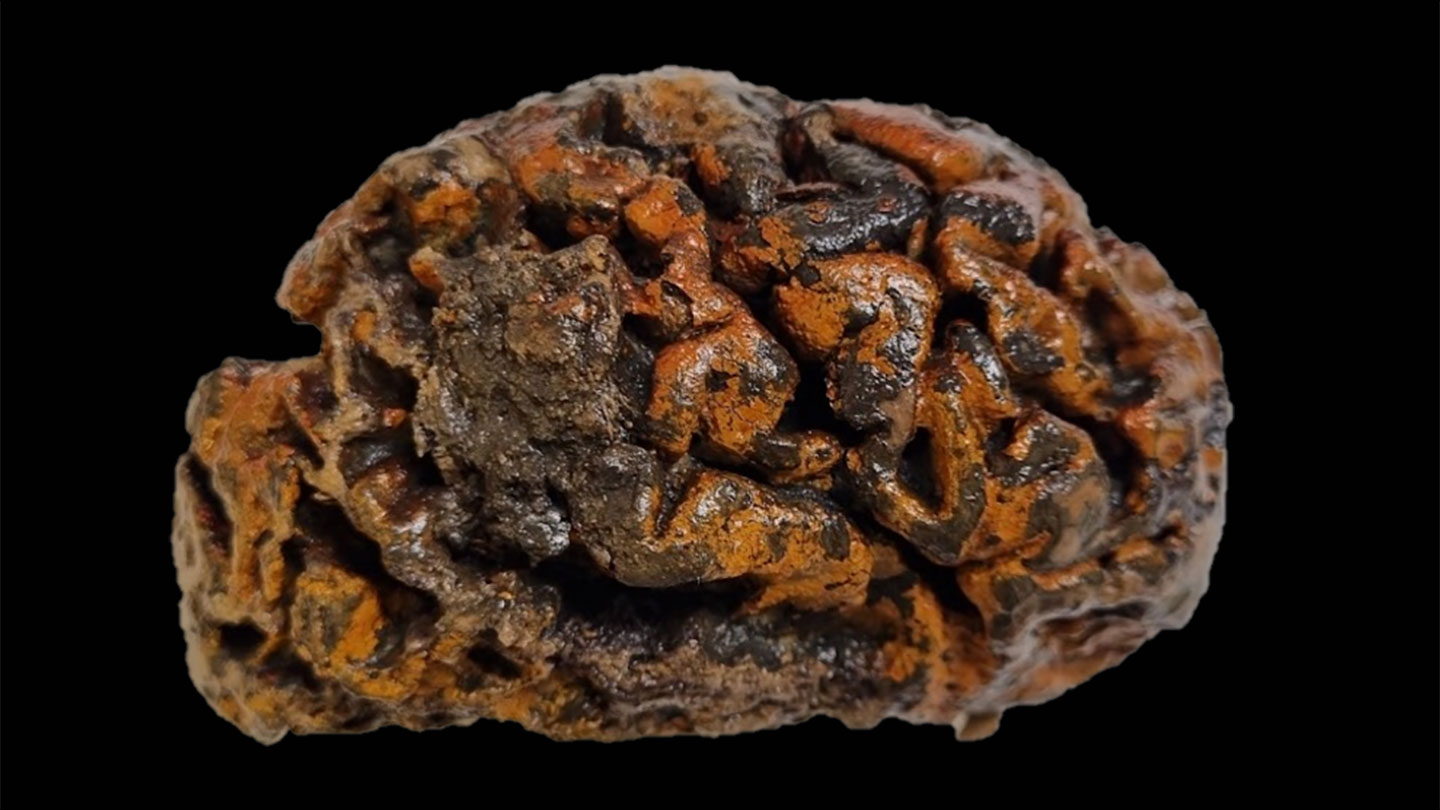
Forensic anthropologist Alexandra Morton-Hayward discovered a paper describing a 2,500-year-old preserved brain, leading her to uncover a large archive of 4,400 human brains preserved in the archaeological record, dating back nearly 12,000 years. This archive includes brains from various historical figures and events like North Pole explorers, Inca sacrificial victims, and Spanish Civil War soldiers. These naturally preserved brains were previously thought to be rare but are in fact more common than originally believed. Less than 1% of this archive has been studied due to the perception that these brains are rare and precious materials that should not be disturbed.

The brains in the archive have remained remarkably well-preserved, with over a third of the samples being dehydrated, frozen, or tanned, depending on the environmental conditions in which they were found. The texture of the brains can vary from dry and brittle to squishy and tofu-like. Interestingly, about a quarter of the brains were found without any other soft tissues preserved, making them unique in their isolation. This preservation of the brains while other soft tissues degrade remains a mystery, potentially linked to the chemical composition of the brain itself.

Studies have shown that the unique ratio of proteins to lipids in the brain, at 1-to-1, could play a role in its preservation. This ratio differs significantly from other soft tissues in the body that have higher carbohydrates and different protein-lipid ratios. The presence of metals like iron in the brain could also contribute to the fusion of proteins and lipids, providing a potential explanation for the brain’s long-term preservation. Understanding these molecular interactions could shed light on why brains are preserved when other soft tissues deteriorate.

Research into brain preservation is ongoing, with new tools being utilized to gain a deeper understanding of the molecular mechanisms involved. Despite the quantity of preserved brains in the archaeological record, the reasons behind their exceptional preservation and the implications of their unique chemical composition remain areas of active investigation. By studying these preserved brains, researchers hope to uncover insights into ancient civilizations, health conditions, and perhaps even develop new techniques for preservation in modern medical contexts.


Follow on Google News Follow on Flipboard
Share. Facebook Twitter Pinterest Email Telegram WhatsApp Copy Link

You Might Like

Array

Array

Array

Array

Array

Array

Editors Picks

مرآة التاريخ: تحليل البناء السردي للدروس الخالدة في قصص الأنبياء والإسلام

3 weeks ago

السندات الحكومية والشركات: أساسيات الاستثمار الآمن والدخل الثابت

4 weeks ago

UAE Ranks Among Top Rugby Markets on TOD as British & Irish Lions Tour Kicks Off

5 months ago

Darven: A New Leap in AI-Powered Legal Technology Launching from the UAE to the World

5 months ago

Jordan to Host Iraq in the Final Round of the Asian World Cup Qualifiers After Securing Historic Spot

6 months ago

Latest News

فلسطين: قلبٌ ينبض بالصمود والأمل

6 months ago

Roland Garros 2025: A New Era of Viewing, A Tribute to Legends, and Moments to Remember

7 months ago

Array

7 months ago
Advertisement
Facebook X (Twitter) TikTok Instagram Threads
© 2025 West Timelines. All Rights Reserved. Developed By: Sawah Solutions
  • Privacy Policy
  • Terms
  • Contact

Type above and press Enter to search. Press Esc to cancel.