




Close Menu
West TimelinesWest Timelines
  • News
  • Politics
  • World
    • Africa
    • Asia
    • Australia
    • Europe
      • United Kingdom
      • Germany
      • France
      • Italy
      • Russia
      • Spain
      • Turkey
      • Ukraine
    • North America
      • United States
      • Canada
    • South America
  • Business
    • Finance
    • Markets
    • Investing
    • Small Business
    • Crypto
  • Elections
  • Entertainment
  • Health
  • Lifestyle
    • Fashion
    • Food & Drink
    • Travel
    • Astrology
  • Weird News
  • Science
  • Sports
    • Soccer
  • Technology
  • Viral Trends
Trending Now

Dubai Spotlight: Analyzing the Evolving Audience Tastes with AI Social Listening Tools in the UAE

2 weeks ago

مرآة التاريخ: تحليل البناء السردي للدروس الخالدة في قصص الأنبياء والإسلام

3 weeks ago

السندات الحكومية والشركات: أساسيات الاستثمار الآمن والدخل الثابت

4 weeks ago

UAE Ranks Among Top Rugby Markets on TOD as British & Irish Lions Tour Kicks Off

5 months ago

Darven: A New Leap in AI-Powered Legal Technology Launching from the UAE to the World

5 months ago
Facebook X (Twitter) Instagram
West TimelinesWest Timelines
  • News
  • US
  • #Elections
  • World
    • North America
      • United States
      • Canada
    • Europe
      • United Kingdom
      • Germany
      • France
      • Italy
      • Spain
      • Ukraine
      • Russia
      • Turkey
    • Asia
    • Australia
    • Africa
    • South America
  • Politics
  • Business
    • Finance
    • Investing
    • Markets
    • Small Business
    • Crypto
  • Lifestyle
    • Astrology
    • Fashion
    • Food & Drink
    • Travel
  • Health
  • Sports
    • Soccer
  • More
    • Entertainment
    • Technology
    • Science
    • Viral Trends
    • Weird News
Subscribe
  • Israel War
  • Ukraine War
  • United Kingdom
  • Canada
  • Germany
  • France
  • Italy
  • Russia
  • Spain
  • Turkey
  • Ukraine
West TimelinesWest Timelines
Home»Science
Science

Wax coats on male dragonflies could shield them from climate change effects

March 26, 2024No Comments2 Mins Read
Facebook Twitter Pinterest LinkedIn Telegram Email WhatsApp Copy Link

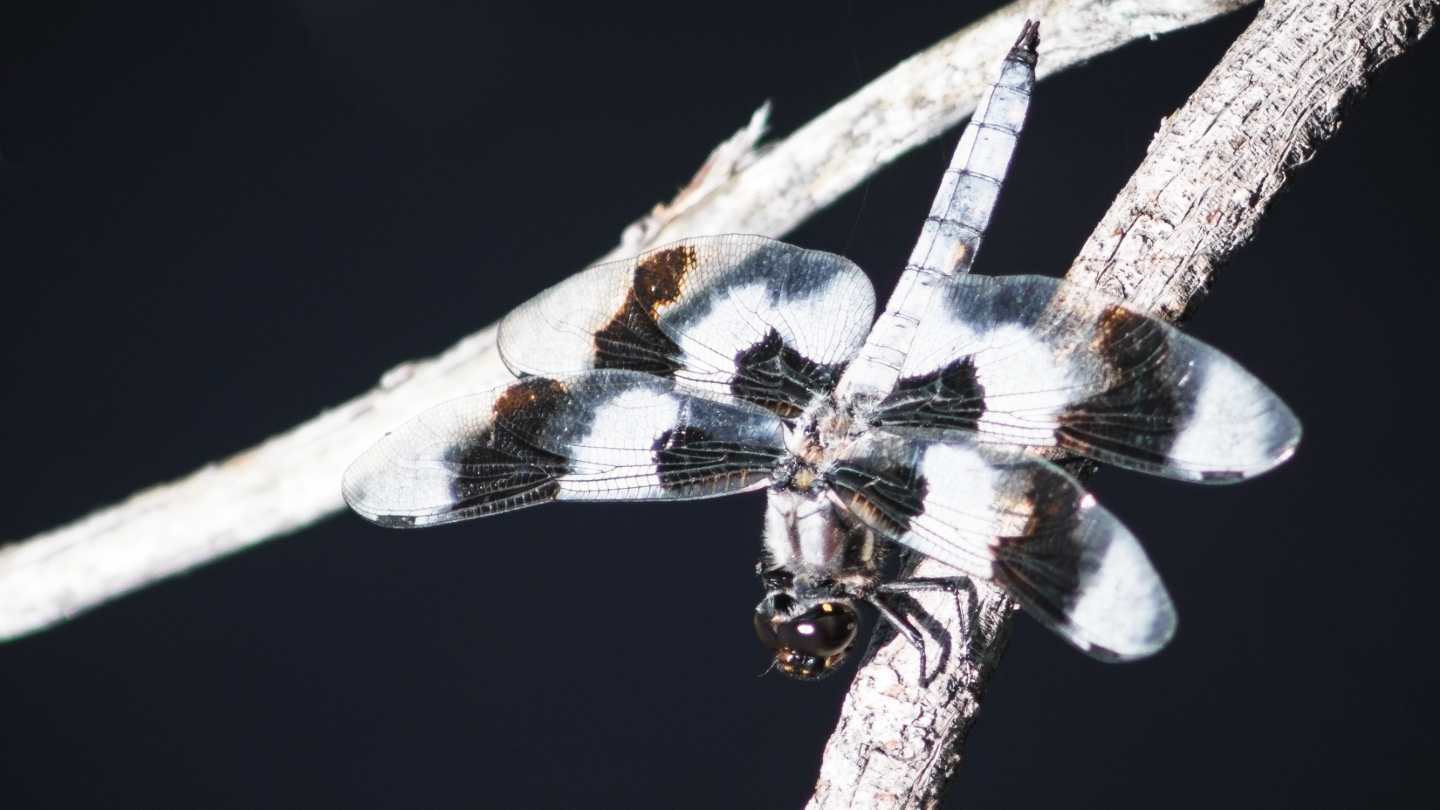
Some male dragonflies have a unique wax coating that helps them stay cool while pursuing mates, and recent research suggests that this wax may also help them adapt to a warming climate. The wax-coated dragonflies are faring better in hotter and drier conditions compared to their waxless counterparts. This protective wax acts as a buffer against climate change, giving the dragonflies an ecological advantage by allowing them to use a wider range of habitats. This discovery has been compared to an “ecological superpower” for the dragonflies.

The wax that some dragonfly species produce is a combination of hydrocarbons that form a UV-reflective layer over their exoskeleton. This thick, waxy layer helps shield the dragonflies from water loss and overheating, which can be beneficial in hot, arid environments. Male dragonflies, especially those that use a “percher” mating strategy, are more likely to have this protective wax. Percher males are often exposed to heat and desiccation around sunlit ponds where they defend their mating territory and pursue females. The wax is believed to be an adaptation for dealing with the harsh conditions experienced during mating.

Research has shown that male dragonflies with the protective wax are more likely to be found in warmer and drier regions. In areas that have rapidly warmed and dried since the 1980s, waxless dragonflies are more likely to disappear compared to their wax-coated counterparts. This suggests that the wax provides the dragonflies with resilience against the effects of climate change. The findings challenge the idea that environmental factors limit the evolution of mating traits, showing that in the case of dragonflies, the protective wax has allowed them to access habitats that would otherwise be inaccessible.

The research team also explored whether other insects have sexual adaptations that could help them cope with climate change. For example, male cicadas have the ability to heat up significantly higher than their surroundings when singing. This suggests that other insects may have unique biological mechanisms for surviving and reproducing in changing climates. The study emphasizes the importance of considering mating behaviors and adaptations when forecasting how species will fare in a warming world. By understanding these relationships, we can gain insights into how different species may be able to adapt to changing environmental conditions in the future.


Follow on Google News Follow on Flipboard
Share. Facebook Twitter Pinterest Email Telegram WhatsApp Copy Link

You Might Like

Array

Array

Array

Array

Array

Array

Editors Picks

مرآة التاريخ: تحليل البناء السردي للدروس الخالدة في قصص الأنبياء والإسلام

3 weeks ago

السندات الحكومية والشركات: أساسيات الاستثمار الآمن والدخل الثابت

4 weeks ago

UAE Ranks Among Top Rugby Markets on TOD as British & Irish Lions Tour Kicks Off

5 months ago

Darven: A New Leap in AI-Powered Legal Technology Launching from the UAE to the World

5 months ago

Jordan to Host Iraq in the Final Round of the Asian World Cup Qualifiers After Securing Historic Spot

6 months ago

Latest News

فلسطين: قلبٌ ينبض بالصمود والأمل

6 months ago

Roland Garros 2025: A New Era of Viewing, A Tribute to Legends, and Moments to Remember

7 months ago

Array

7 months ago
Advertisement
Facebook X (Twitter) TikTok Instagram Threads
© 2025 West Timelines. All Rights Reserved. Developed By: Sawah Solutions
  • Privacy Policy
  • Terms
  • Contact

Type above and press Enter to search. Press Esc to cancel.