





Close Menu
West TimelinesWest Timelines
  • News
  • Politics
  • World
    • Africa
    • Asia
    • Australia
    • Europe
      • United Kingdom
      • Germany
      • France
      • Italy
      • Russia
      • Spain
      • Turkey
      • Ukraine
    • North America
      • United States
      • Canada
    • South America
  • Business
    • Finance
    • Markets
    • Investing
    • Small Business
    • Crypto
  • Elections
  • Entertainment
  • Health
  • Lifestyle
    • Fashion
    • Food & Drink
    • Travel
    • Astrology
  • Weird News
  • Science
  • Sports
    • Soccer
  • Technology
  • Viral Trends
Trending Now

Dubai Spotlight: Analyzing the Evolving Audience Tastes with AI Social Listening Tools in the UAE

2 weeks ago

مرآة التاريخ: تحليل البناء السردي للدروس الخالدة في قصص الأنبياء والإسلام

3 weeks ago

السندات الحكومية والشركات: أساسيات الاستثمار الآمن والدخل الثابت

4 weeks ago

UAE Ranks Among Top Rugby Markets on TOD as British & Irish Lions Tour Kicks Off

5 months ago

Darven: A New Leap in AI-Powered Legal Technology Launching from the UAE to the World

5 months ago
Facebook X (Twitter) Instagram
West TimelinesWest Timelines
  • News
  • US
  • #Elections
  • World
    • North America
      • United States
      • Canada
    • Europe
      • United Kingdom
      • Germany
      • France
      • Italy
      • Spain
      • Ukraine
      • Russia
      • Turkey
    • Asia
    • Australia
    • Africa
    • South America
  • Politics
  • Business
    • Finance
    • Investing
    • Markets
    • Small Business
    • Crypto
  • Lifestyle
    • Astrology
    • Fashion
    • Food & Drink
    • Travel
  • Health
  • Sports
    • Soccer
  • More
    • Entertainment
    • Technology
    • Science
    • Viral Trends
    • Weird News
Subscribe
  • Israel War
  • Ukraine War
  • United Kingdom
  • Canada
  • Germany
  • France
  • Italy
  • Russia
  • Spain
  • Turkey
  • Ukraine
West TimelinesWest Timelines
Home»Science
Science

Physicists achieve significant progress in creating a nuclear clock

April 4, 2024No Comments3 Mins Read
Facebook Twitter Pinterest LinkedIn Telegram Email WhatsApp Copy Link

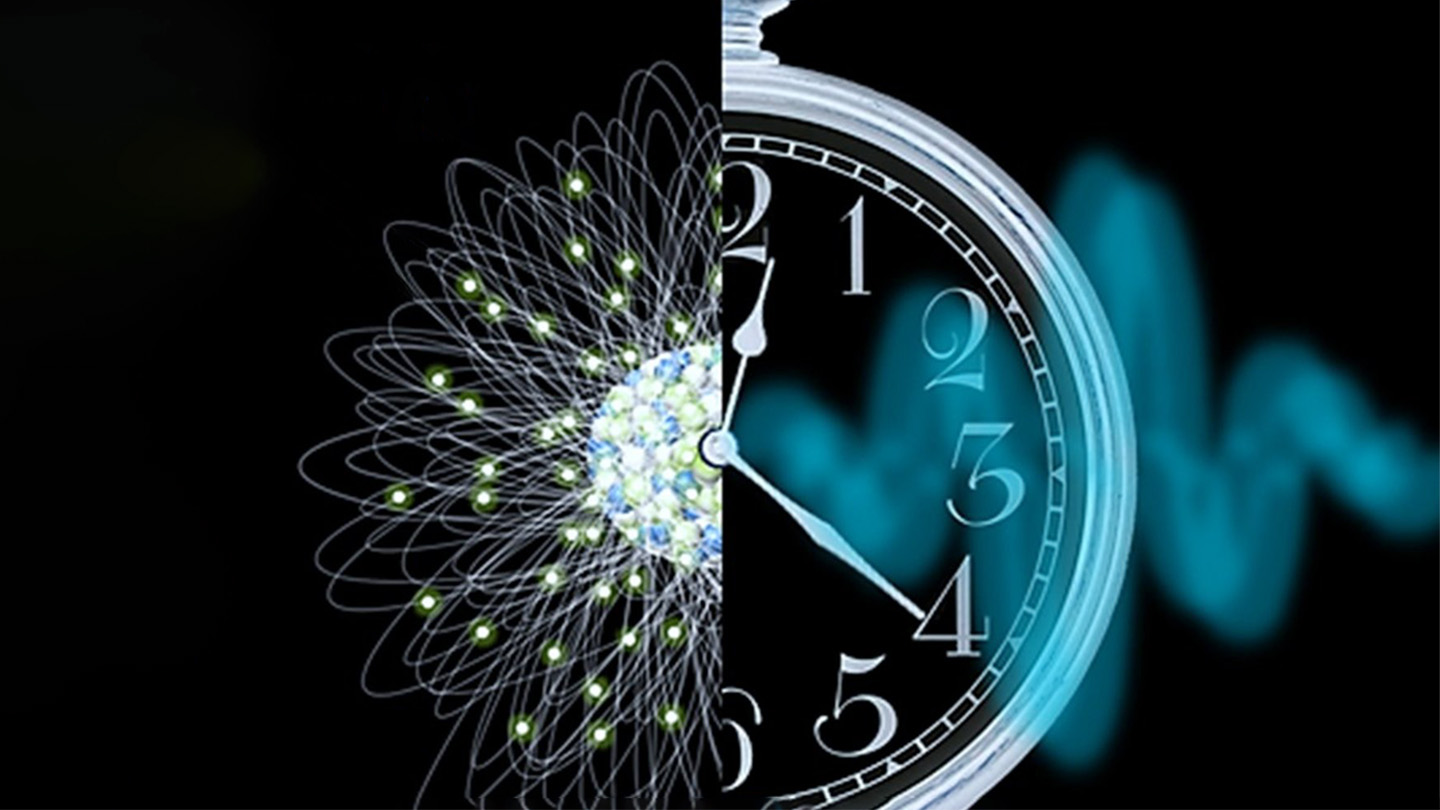
Scientists have successfully used a tabletop laser to bump an atomic nucleus into a higher energy state, setting them on the path toward creating the first nuclear clock. This breakthrough has been praised by experts as a remarkable achievement. Nuclear clocks, which would be based on the inner workings of atomic nuclei, provide the potential for simpler, more portable timekeeping devices compared to atomic clocks. They could also be used to test fundamental physics theories in new ways.

Atomic clocks are currently the most precise timekeepers and function based on the physics of electrons within atoms. To create the clock, a laser needs to provide the right amount of energy to coax an electron to jump to a higher energy level, which corresponds to a specific frequency of the laser’s light. However, nuclear clocks would be based on the transitions of atomic nuclei rather than electrons. A specific nucleus of thorium-229 has a small energy jump accessible to lasers, making it a key candidate for nuclear clocks.

Recent advancements in measuring the size of the energy jump in thorium-229 nuclei have enabled researchers to take the next step towards building a nuclear clock. By using a laser to bump thorium-229 nuclei to a higher energy level, scientists were able to further pin down the energy of the transition. The precision of this measurement will need to be increased further to develop a functional nuclear clock. The experiment was conducted with thorium-229 embedded in a crystal of calcium fluoride, representing a new approach from atomic clock design.

The concept of nuclear clocks with thorium-229 was first proposed in 2003 by physicist Ekkehard Peik. The recent experiment was a long-awaited confirmation of this idea. The possibility of using solid materials for future nuclear clocks presents the opportunity for a simpler, portable system that could be used outside of traditional laboratory settings. Nuclear clocks could pave the way for new studies of fundamental physics, including searching for variations in fundamental constants of nature and conducting new searches for dark matter.

While there is still much work to be done to build fully functional nuclear clocks, the recent progress has opened the door for their development. The comparison between nuclear and atomic clocks could lead to significant advancements in the field of timekeeping and fundamental physics. It will take time to catch up with the precision of atomic clocks, but the successful observation of the transition in thorium-229 nuclei marks a significant milestone in the journey towards nuclear clocks.


Follow on Google News Follow on Flipboard
Share. Facebook Twitter Pinterest Email Telegram WhatsApp Copy Link

You Might Like

Array

Array

Array

Array

Array

Array

Editors Picks

مرآة التاريخ: تحليل البناء السردي للدروس الخالدة في قصص الأنبياء والإسلام

3 weeks ago

السندات الحكومية والشركات: أساسيات الاستثمار الآمن والدخل الثابت

4 weeks ago

UAE Ranks Among Top Rugby Markets on TOD as British & Irish Lions Tour Kicks Off

5 months ago

Darven: A New Leap in AI-Powered Legal Technology Launching from the UAE to the World

5 months ago

Jordan to Host Iraq in the Final Round of the Asian World Cup Qualifiers After Securing Historic Spot

6 months ago

Latest News

فلسطين: قلبٌ ينبض بالصمود والأمل

6 months ago

Roland Garros 2025: A New Era of Viewing, A Tribute to Legends, and Moments to Remember

7 months ago

Array

7 months ago
Advertisement
Facebook X (Twitter) TikTok Instagram Threads
© 2025 West Timelines. All Rights Reserved. Developed By: Sawah Solutions
  • Privacy Policy
  • Terms
  • Contact

Type above and press Enter to search. Press Esc to cancel.