




Close Menu
West TimelinesWest Timelines
  • News
  • Politics
  • World
    • Africa
    • Asia
    • Australia
    • Europe
      • United Kingdom
      • Germany
      • France
      • Italy
      • Russia
      • Spain
      • Turkey
      • Ukraine
    • North America
      • United States
      • Canada
    • South America
  • Business
    • Finance
    • Markets
    • Investing
    • Small Business
    • Crypto
  • Elections
  • Entertainment
  • Health
  • Lifestyle
    • Fashion
    • Food & Drink
    • Travel
    • Astrology
  • Weird News
  • Science
  • Sports
    • Soccer
  • Technology
  • Viral Trends
Trending Now

Dubai Spotlight: Analyzing the Evolving Audience Tastes with AI Social Listening Tools in the UAE

2 weeks ago

مرآة التاريخ: تحليل البناء السردي للدروس الخالدة في قصص الأنبياء والإسلام

3 weeks ago

السندات الحكومية والشركات: أساسيات الاستثمار الآمن والدخل الثابت

4 weeks ago

UAE Ranks Among Top Rugby Markets on TOD as British & Irish Lions Tour Kicks Off

5 months ago

Darven: A New Leap in AI-Powered Legal Technology Launching from the UAE to the World

5 months ago
Facebook X (Twitter) Instagram
West TimelinesWest Timelines
  • News
  • US
  • #Elections
  • World
    • North America
      • United States
      • Canada
    • Europe
      • United Kingdom
      • Germany
      • France
      • Italy
      • Spain
      • Ukraine
      • Russia
      • Turkey
    • Asia
    • Australia
    • Africa
    • South America
  • Politics
  • Business
    • Finance
    • Investing
    • Markets
    • Small Business
    • Crypto
  • Lifestyle
    • Astrology
    • Fashion
    • Food & Drink
    • Travel
  • Health
  • Sports
    • Soccer
  • More
    • Entertainment
    • Technology
    • Science
    • Viral Trends
    • Weird News
Subscribe
  • Israel War
  • Ukraine War
  • United Kingdom
  • Canada
  • Germany
  • France
  • Italy
  • Russia
  • Spain
  • Turkey
  • Ukraine
West TimelinesWest Timelines
Home»Science
Science

Brain-controlled bionic limbs are nearing reality

October 3, 2024No Comments2 Mins Read
Facebook Twitter Pinterest LinkedIn Telegram Email WhatsApp Copy Link

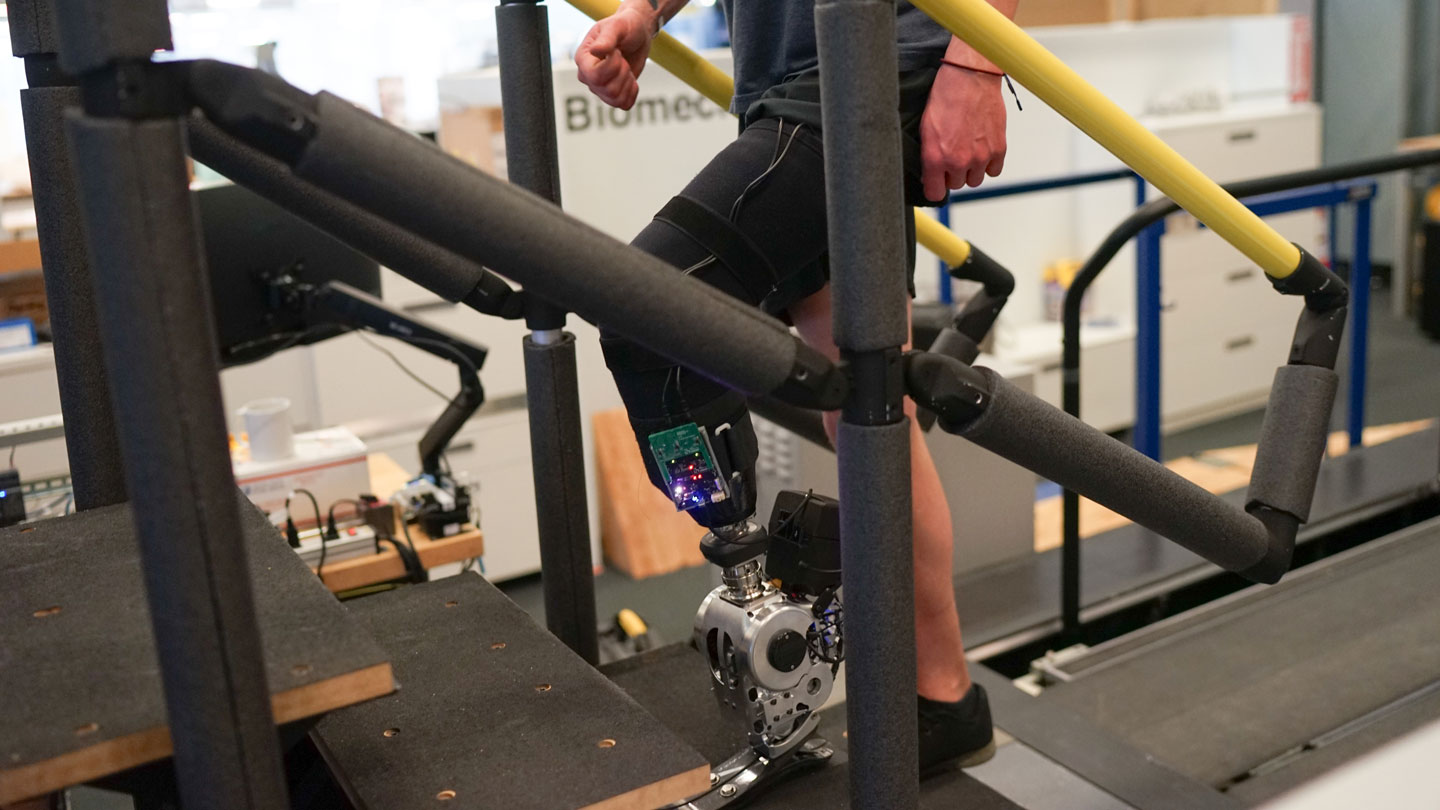
Recent advancements in bionic prostheses are making it possible to integrate machines with the human body more effectively. An integration technique known as an agonist-antagonist myoneural interface (AMI) reconstructs muscle pairs to control robotic limbs, providing a sense of movement and position to recipients with below-knee amputations. This allows for more natural walking and improved mobility, especially on slopes, stairs, and obstacles. Such techniques, including AMI, are part of a new field called anatomics, focused on reengineering the body to better interact with machines.

Anatomics techniques aim to improve the connection and communication between bionic prostheses and the human nervous system. By utilizing bones as stable anchors, rerouting nerves to create control signals, and co-opting muscles to amplify biological signals, these techniques enhance the capabilities of bionic limbs. While these approaches have been slow to transition from labs to practical use, they are bringing us closer to seamlessly integrated, brain-controlled bionic limbs.

Osseointegration is a method that anchors prostheses using a titanium bolt inserted into the skeleton, providing greater strength, stability, and comfort. While this technique has been available clinically, one major drawback is the risk of infection due to a permanent hole in the skin. On the other hand, rerouting nerves through procedures like targeted muscle reinnervation (TMR) or regenerative peripheral nerve interfaces (RPNI) can create more reliable control signals for prosthetic limbs by using muscles as amplifiers.

Researchers are exploring innovative attachment methods that avoid the drawbacks of traditional techniques like osseointegration. One such method involves using an electromagnet in the limb and the socket of the prosthesis to provide dynamic attachment without a permanent hole. Other advancements, like magnetomicrometry, aim to directly control bionic prostheses by placing magnetic spheres inside muscles and monitoring their movement with magnetometers. These advancements are bringing us closer to a future where recipients feel that bionic limbs are an integral part of themselves.

The ultimate goal of these advancements is to restore proprioception and sensory feedback, making recipients feel like they have regained a part of their lost limb. By combining surgical techniques with new technologies, researchers believe that brain-controlled robotic limbs are within reach. As these techniques continue to advance, the field is edging closer to a sci-fi vision of seamlessly integrated bionic limbs controlled by the brain, offering recipients a sense of having their body back.


Follow on Google News Follow on Flipboard
Share. Facebook Twitter Pinterest Email Telegram WhatsApp Copy Link

You Might Like

Array

Array

Array

Array

Array

Array

Editors Picks

مرآة التاريخ: تحليل البناء السردي للدروس الخالدة في قصص الأنبياء والإسلام

3 weeks ago

السندات الحكومية والشركات: أساسيات الاستثمار الآمن والدخل الثابت

4 weeks ago

UAE Ranks Among Top Rugby Markets on TOD as British & Irish Lions Tour Kicks Off

5 months ago

Darven: A New Leap in AI-Powered Legal Technology Launching from the UAE to the World

5 months ago

Jordan to Host Iraq in the Final Round of the Asian World Cup Qualifiers After Securing Historic Spot

6 months ago

Latest News

فلسطين: قلبٌ ينبض بالصمود والأمل

6 months ago

Roland Garros 2025: A New Era of Viewing, A Tribute to Legends, and Moments to Remember

7 months ago

Array

7 months ago
Advertisement
Facebook X (Twitter) TikTok Instagram Threads
© 2025 West Timelines. All Rights Reserved. Developed By: Sawah Solutions
  • Privacy Policy
  • Terms
  • Contact

Type above and press Enter to search. Press Esc to cancel.