

Close Menu
West TimelinesWest Timelines
  • News
  • Politics
  • World
    • Africa
    • Asia
    • Australia
    • Europe
      • United Kingdom
      • Germany
      • France
      • Italy
      • Russia
      • Spain
      • Turkey
      • Ukraine
    • North America
      • United States
      • Canada
    • South America
  • Business
    • Finance
    • Markets
    • Investing
    • Small Business
    • Crypto
  • Elections
  • Entertainment
  • Health
  • Lifestyle
    • Fashion
    • Food & Drink
    • Travel
    • Astrology
  • Weird News
  • Science
  • Sports
    • Soccer
  • Technology
  • Viral Trends
Trending Now

Dubai Spotlight: Analyzing the Evolving Audience Tastes with AI Social Listening Tools in the UAE

2 weeks ago

مرآة التاريخ: تحليل البناء السردي للدروس الخالدة في قصص الأنبياء والإسلام

3 weeks ago

السندات الحكومية والشركات: أساسيات الاستثمار الآمن والدخل الثابت

4 weeks ago

UAE Ranks Among Top Rugby Markets on TOD as British & Irish Lions Tour Kicks Off

5 months ago

Darven: A New Leap in AI-Powered Legal Technology Launching from the UAE to the World

5 months ago
Facebook X (Twitter) Instagram
West TimelinesWest Timelines
  • News
  • US
  • #Elections
  • World
    • North America
      • United States
      • Canada
    • Europe
      • United Kingdom
      • Germany
      • France
      • Italy
      • Spain
      • Ukraine
      • Russia
      • Turkey
    • Asia
    • Australia
    • Africa
    • South America
  • Politics
  • Business
    • Finance
    • Investing
    • Markets
    • Small Business
    • Crypto
  • Lifestyle
    • Astrology
    • Fashion
    • Food & Drink
    • Travel
  • Health
  • Sports
    • Soccer
  • More
    • Entertainment
    • Technology
    • Science
    • Viral Trends
    • Weird News
Subscribe
  • Israel War
  • Ukraine War
  • United Kingdom
  • Canada
  • Germany
  • France
  • Italy
  • Russia
  • Spain
  • Turkey
  • Ukraine
West TimelinesWest Timelines
Home»Science
Science

Previously unknown line of Neandertals revealed through Ancient DNA

September 11, 2024No Comments2 Mins Read
Facebook Twitter Pinterest LinkedIn Telegram Email WhatsApp Copy Link

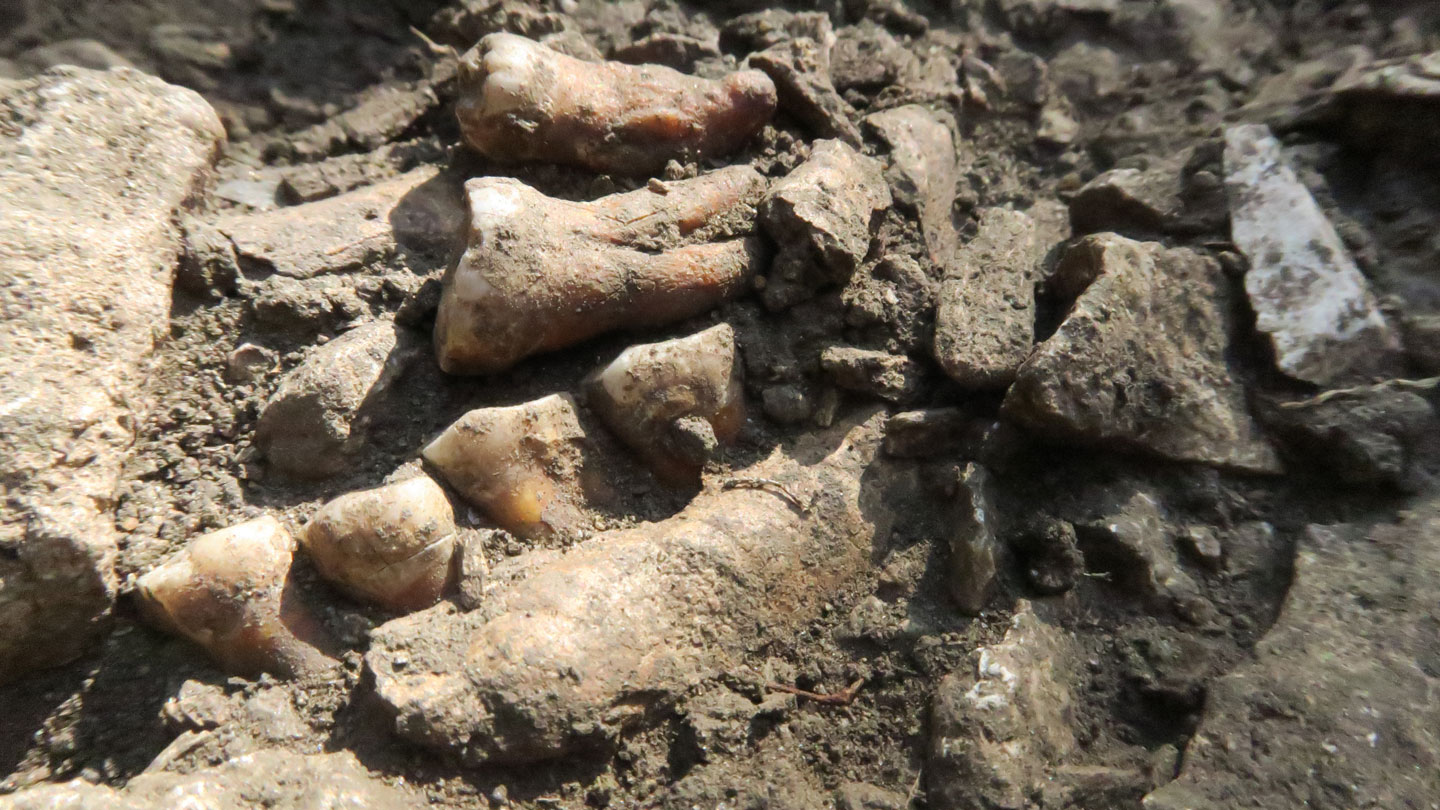
The discovery of a Neanderthal population in southwestern Europe raises questions about their evolutionary history and complexity. The study led by Ludovic Slimak and Martin Sikora uncovered the remains of a Neanderthal nicknamed Thorin, who lived around 50,000 to 42,000 years ago. Between genetic analysis and dating methods, researchers were able to determine Thorin’s lineage and genetic structure, which indicated that he belonged to a unique group of Neanderthals that split from others around 105,000 years ago.

Thorin’s DNA showed no signs of interbreeding with other Neanderthals or Homo sapiens, suggesting isolated communities with close relatives. The genetic structure of Thorin’s lineage may have resulted from language or cultural differences that prevented mating with other Neanderthal groups. Further research is needed to confirm these findings and understand the population dynamics and demographics of Thorin’s lineage over time.

The similarities between Thorin’s DNA and that of a Neanderthal from Gibraltar suggest that the newly reported lineage extended across parts of southwestern Europe. However, uncertainties remain about the age and origin of the Gibraltar fossil. The isolation of Thorin’s lineage could have led to a decline in genetic diversity over time as communities became more isolated, which could be confirmed with further testing and excavation at Grotte Mandrin.

The genetic evidence from Thorin’s remains aligns with a scenario in which this Neanderthal belonged to a unique group that remained isolated from other populations in the region. The presence of consecutive identical gene variants in Thorin’s DNA suggests close mating among relatives in small communities, which may have contributed to the distinct genetic structure of his lineage. Further research is needed to unravel the evolutionary story of these close-knit Neanderthals and understand how their population dynamics changed over time.

The discovery of a long-lasting, isolated Neanderthal lineage in southwestern Europe sheds light on the complexity of their evolutionary history. Thorin’s remains provide valuable insights into the genetic structure of this unique group and raise questions about the cultural and social factors that may have influenced their population dynamics. Ongoing research and future excavations at Grotte Mandrin will help researchers better understand the genetic relationships and evolutionary trajectory of these isolated Neanderthals.

Follow on Google News Follow on Flipboard
Share. Facebook Twitter Pinterest Email Telegram WhatsApp Copy Link

You Might Like

Array

Array

Array

Array

Array

Array

Editors Picks

مرآة التاريخ: تحليل البناء السردي للدروس الخالدة في قصص الأنبياء والإسلام

3 weeks ago

السندات الحكومية والشركات: أساسيات الاستثمار الآمن والدخل الثابت

4 weeks ago

UAE Ranks Among Top Rugby Markets on TOD as British & Irish Lions Tour Kicks Off

5 months ago

Darven: A New Leap in AI-Powered Legal Technology Launching from the UAE to the World

5 months ago

Jordan to Host Iraq in the Final Round of the Asian World Cup Qualifiers After Securing Historic Spot

6 months ago

Latest News

فلسطين: قلبٌ ينبض بالصمود والأمل

6 months ago

Roland Garros 2025: A New Era of Viewing, A Tribute to Legends, and Moments to Remember

7 months ago

Array

7 months ago
Advertisement
Facebook X (Twitter) TikTok Instagram Threads
© 2025 West Timelines. All Rights Reserved. Developed By: Sawah Solutions
  • Privacy Policy
  • Terms
  • Contact

Type above and press Enter to search. Press Esc to cancel.