





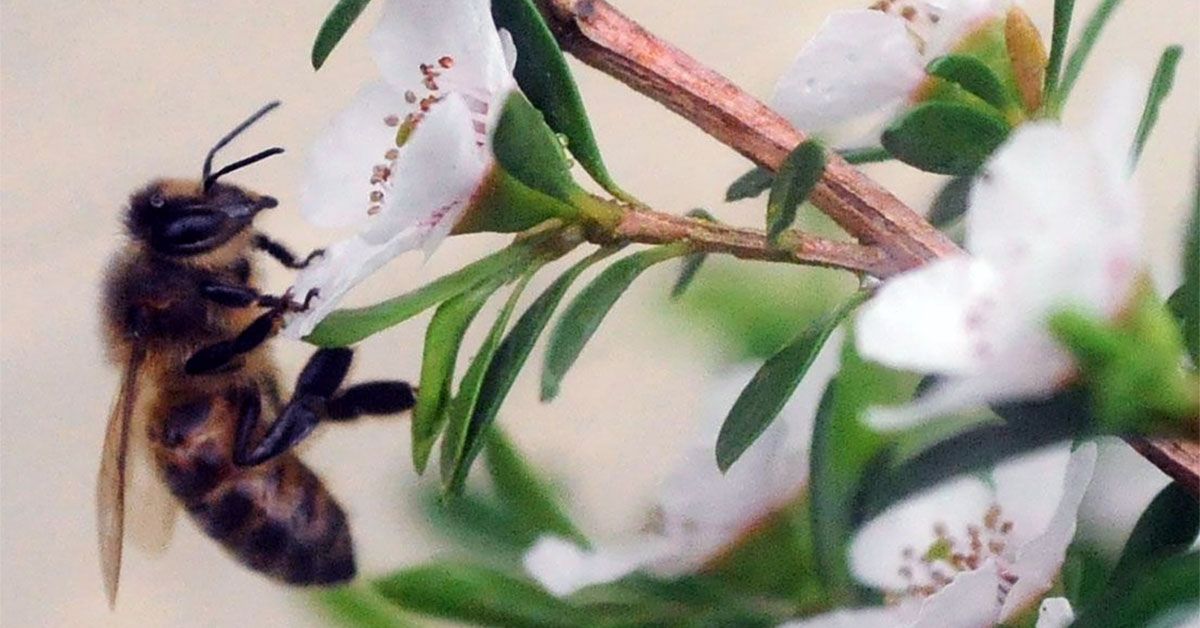
The University of California, Los Angeles has conducted research suggesting that Manuka honey could potentially be used as an alternative prevention and treatment option for breast cancer, particularly ER-positive breast cancer, through both animal and cancer cell models. ER-positive breast cancer accounts for about 80% of all breast cancer diagnoses and typically requires estrogen to grow. Current treatment options for ER-positive breast cancer include surgery, chemotherapy, radiation therapy, and hormonal therapy. Researchers have also explored complementary and alternative medicine (CAM) options, such as antioxidant supplements, yoga, mindfulness practices, and acupuncture, to help treat ER-positive breast cancer. Manuka honey, made by bees that collect nectar from the Manuka tree, was found to cause an 84% reduction in tumor growth in mice with ER-positive breast cancer cells without negatively impacting healthy breast cells or causing major side effects.
Studies conducted by the University of California, Los Angeles found that higher amounts of Manuka honey were correlated with greater reductions in cancer cell growth. The research also showed that using Manuka honey helped reduce levels of signaling pathways that are typically enhanced in cancer, such as AMP-activated protein kinase (AMPK), Ak strain transforming (AKT), mammalian target of rapamycin (mTOR), and signal transducer and activator of transcription 3 (STAT3). These pathways are involved in tumor cell growth and viability. Manuka honey may act as a selective estrogen receptor modulator (SERM), inhibit growth factor receptor signaling pathways, and potentially block the proliferation of breast cancer stem/progenitor cells, which play a critical role in tumor regeneration and spread following standard therapies.
Bhavana Pathak, MD, a board-certified hematologist and medical oncologist, expressed interest in the study, noting that ingesting a compound that can theoretically increase glucose may not be recommended for all cancer patients. However, with minimal side effects, Manuka honey could serve as an alternative for individuals seeking natural supplements or opting out of traditional treatment. Further research involving humans is needed to determine safe dosing and treatment effects. Monique Richard, a registered dietitian nutritionist, highlighted the potential of Manuka honey as a natural supplement that could enhance conventional breast cancer treatment without harsh toxic side effects. She suggested incorporating Manuka honey into the diet in small amounts, such as adding it to tea, oatmeal, yogurt, or smoothies, to potentially benefit from its antibacterial, antimicrobial, antioxidant, anti-inflammatory, antitumor, antiproliferative, and antimetastatic effects.
Overall, the research conducted at the University of California, Los Angeles indicates that Manuka honey has the potential to be an alternative prevention and treatment option for breast cancer, particularly ER-positive breast cancer, through its antitumor effects and ability to target signaling pathways involved in cancer growth and viability. Further studies are needed to determine the maximum tolerated dose and safe dosing for optimal antitumor action. Incorporating Manuka honey into the diet in moderation may provide potential health benefits and assist in conventional breast cancer treatment without the toxic side effects associated with traditional therapies. The findings of this study encourage further research to validate the antitumor properties of Manuka honey and its potential role in combating breast cancer.