



Close Menu
West TimelinesWest Timelines
  • News
  • Politics
  • World
    • Africa
    • Asia
    • Australia
    • Europe
      • United Kingdom
      • Germany
      • France
      • Italy
      • Russia
      • Spain
      • Turkey
      • Ukraine
    • North America
      • United States
      • Canada
    • South America
  • Business
    • Finance
    • Markets
    • Investing
    • Small Business
    • Crypto
  • Elections
  • Entertainment
  • Health
  • Lifestyle
    • Fashion
    • Food & Drink
    • Travel
    • Astrology
  • Weird News
  • Science
  • Sports
    • Soccer
  • Technology
  • Viral Trends
Trending Now

Dubai Spotlight: Analyzing the Evolving Audience Tastes with AI Social Listening Tools in the UAE

2 weeks ago

مرآة التاريخ: تحليل البناء السردي للدروس الخالدة في قصص الأنبياء والإسلام

3 weeks ago

السندات الحكومية والشركات: أساسيات الاستثمار الآمن والدخل الثابت

4 weeks ago

UAE Ranks Among Top Rugby Markets on TOD as British & Irish Lions Tour Kicks Off

5 months ago

Darven: A New Leap in AI-Powered Legal Technology Launching from the UAE to the World

5 months ago
Facebook X (Twitter) Instagram
West TimelinesWest Timelines
  • News
  • US
  • #Elections
  • World
    • North America
      • United States
      • Canada
    • Europe
      • United Kingdom
      • Germany
      • France
      • Italy
      • Spain
      • Ukraine
      • Russia
      • Turkey
    • Asia
    • Australia
    • Africa
    • South America
  • Politics
  • Business
    • Finance
    • Investing
    • Markets
    • Small Business
    • Crypto
  • Lifestyle
    • Astrology
    • Fashion
    • Food & Drink
    • Travel
  • Health
  • Sports
    • Soccer
  • More
    • Entertainment
    • Technology
    • Science
    • Viral Trends
    • Weird News
Subscribe
  • Israel War
  • Ukraine War
  • United Kingdom
  • Canada
  • Germany
  • France
  • Italy
  • Russia
  • Spain
  • Turkey
  • Ukraine
West TimelinesWest Timelines
Home»Science
Science

Early mollusks can be identified by this spiky fossil

August 16, 2024No Comments2 Mins Read
Facebook Twitter Pinterest LinkedIn Telegram Email WhatsApp Copy Link

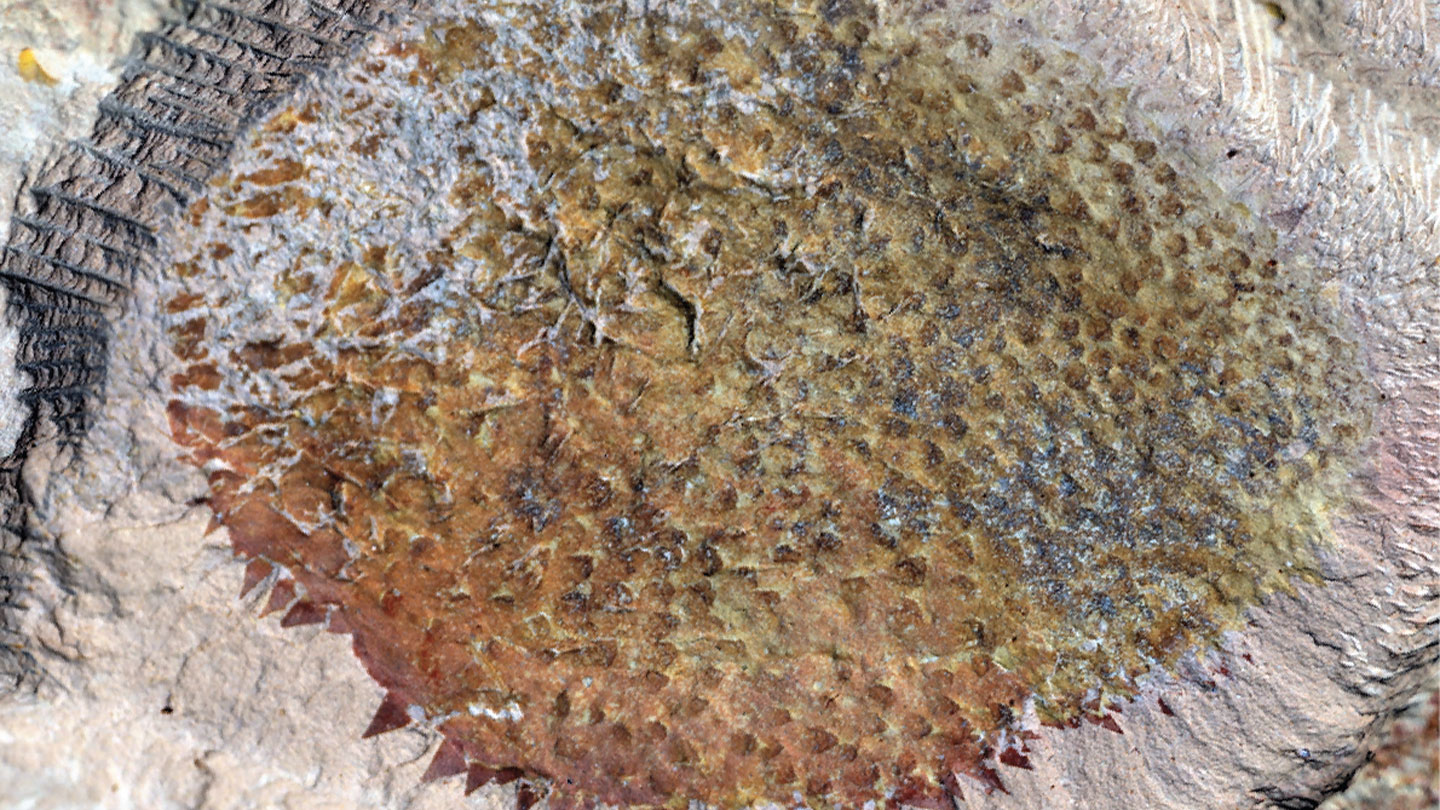
A recent fossil discovery of an ancient invertebrate named Shishania aculeata has provided scientists with valuable insights into what mollusks looked like around 500 million years ago. This unique creature was a sluglike organism covered in prickly armor, similar to spiky fruit, and lacked shells, unlike modern mollusks. The presence of chitin spikes in this ancient mollusk reinforces the idea that early mollusks were covered in chitin spikes, a fibrous material found in crab and other mollusk shells.

The fossils of Shishania aculeata were found in China and date back to around 510 million years ago, during a period of rapid evolution for mollusk ancestors in the early Cambrian period. Although the fossils do not showcase the beauty of soft tissues, they provided researchers with valuable information that helped reconstruct the animal. Each specimen ranged from 1 to 6 centimeters in size, and through the examination of these fossils, researchers were able to piece together the ancient mollusk’s appearance and behavior.

The flat base and singular foot of Shishania aculeata indicate characteristics commonly found in modern mollusks, allowing the animal to move across or dig into sediments on the ocean floor. The presence of hollow chitin cones with narrow canals within them is a unique feature of this ancient creature. These canals are similar to those found in the exoskeletons of extinct and living worms and brachiopods, suggesting a common origin for these structures and providing further insight into the evolutionary history of mollusks.

The discovery of Shishania aculeata helps paint a more detailed picture of early mollusks and their adaptations in different environments. By studying these ancient fossils, scientists can gain a better understanding of the diversity and evolution of mollusks over time. The unique characteristics of Shishania aculeata provide valuable clues about the appearance and behavior of early mollusks and shed light on the evolutionary processes that have shaped these organisms.

Overall, the study of ancient fossils like Shishania aculeata provides scientists with a glimpse into the past and helps unravel the mysteries of early life on Earth. By piecing together the puzzle of ancient organisms, researchers can better understand the patterns of evolution and adaptation that have shaped the diversity of life we see today. With continued research and discoveries, we can continue to expand our knowledge of the natural world and our place within it.

Follow on Google News Follow on Flipboard
Share. Facebook Twitter Pinterest Email Telegram WhatsApp Copy Link

You Might Like

Array

Array

Array

Array

Array

Array

Editors Picks

مرآة التاريخ: تحليل البناء السردي للدروس الخالدة في قصص الأنبياء والإسلام

3 weeks ago

السندات الحكومية والشركات: أساسيات الاستثمار الآمن والدخل الثابت

4 weeks ago

UAE Ranks Among Top Rugby Markets on TOD as British & Irish Lions Tour Kicks Off

5 months ago

Darven: A New Leap in AI-Powered Legal Technology Launching from the UAE to the World

5 months ago

Jordan to Host Iraq in the Final Round of the Asian World Cup Qualifiers After Securing Historic Spot

6 months ago

Latest News

فلسطين: قلبٌ ينبض بالصمود والأمل

6 months ago

Roland Garros 2025: A New Era of Viewing, A Tribute to Legends, and Moments to Remember

7 months ago

Array

7 months ago
Advertisement
Facebook X (Twitter) TikTok Instagram Threads
© 2025 West Timelines. All Rights Reserved. Developed By: Sawah Solutions
  • Privacy Policy
  • Terms
  • Contact

Type above and press Enter to search. Press Esc to cancel.