



Close Menu
West TimelinesWest Timelines
  • News
  • Politics
  • World
    • Africa
    • Asia
    • Australia
    • Europe
      • United Kingdom
      • Germany
      • France
      • Italy
      • Russia
      • Spain
      • Turkey
      • Ukraine
    • North America
      • United States
      • Canada
    • South America
  • Business
    • Finance
    • Markets
    • Investing
    • Small Business
    • Crypto
  • Elections
  • Entertainment
  • Health
  • Lifestyle
    • Fashion
    • Food & Drink
    • Travel
    • Astrology
  • Weird News
  • Science
  • Sports
    • Soccer
  • Technology
  • Viral Trends
Trending Now

Dubai Spotlight: Analyzing the Evolving Audience Tastes with AI Social Listening Tools in the UAE

2 weeks ago

مرآة التاريخ: تحليل البناء السردي للدروس الخالدة في قصص الأنبياء والإسلام

3 weeks ago

السندات الحكومية والشركات: أساسيات الاستثمار الآمن والدخل الثابت

4 weeks ago

UAE Ranks Among Top Rugby Markets on TOD as British & Irish Lions Tour Kicks Off

5 months ago

Darven: A New Leap in AI-Powered Legal Technology Launching from the UAE to the World

5 months ago
Facebook X (Twitter) Instagram
West TimelinesWest Timelines
  • News
  • US
  • #Elections
  • World
    • North America
      • United States
      • Canada
    • Europe
      • United Kingdom
      • Germany
      • France
      • Italy
      • Spain
      • Ukraine
      • Russia
      • Turkey
    • Asia
    • Australia
    • Africa
    • South America
  • Politics
  • Business
    • Finance
    • Investing
    • Markets
    • Small Business
    • Crypto
  • Lifestyle
    • Astrology
    • Fashion
    • Food & Drink
    • Travel
  • Health
  • Sports
    • Soccer
  • More
    • Entertainment
    • Technology
    • Science
    • Viral Trends
    • Weird News
Subscribe
  • Israel War
  • Ukraine War
  • United Kingdom
  • Canada
  • Germany
  • France
  • Italy
  • Russia
  • Spain
  • Turkey
  • Ukraine
West TimelinesWest Timelines
Home»Science
Science

This protist stretches its ‘neck’ 30 times its body length to search for prey

June 6, 2024No Comments3 Mins Read
Facebook Twitter Pinterest LinkedIn Telegram Email WhatsApp Copy Link

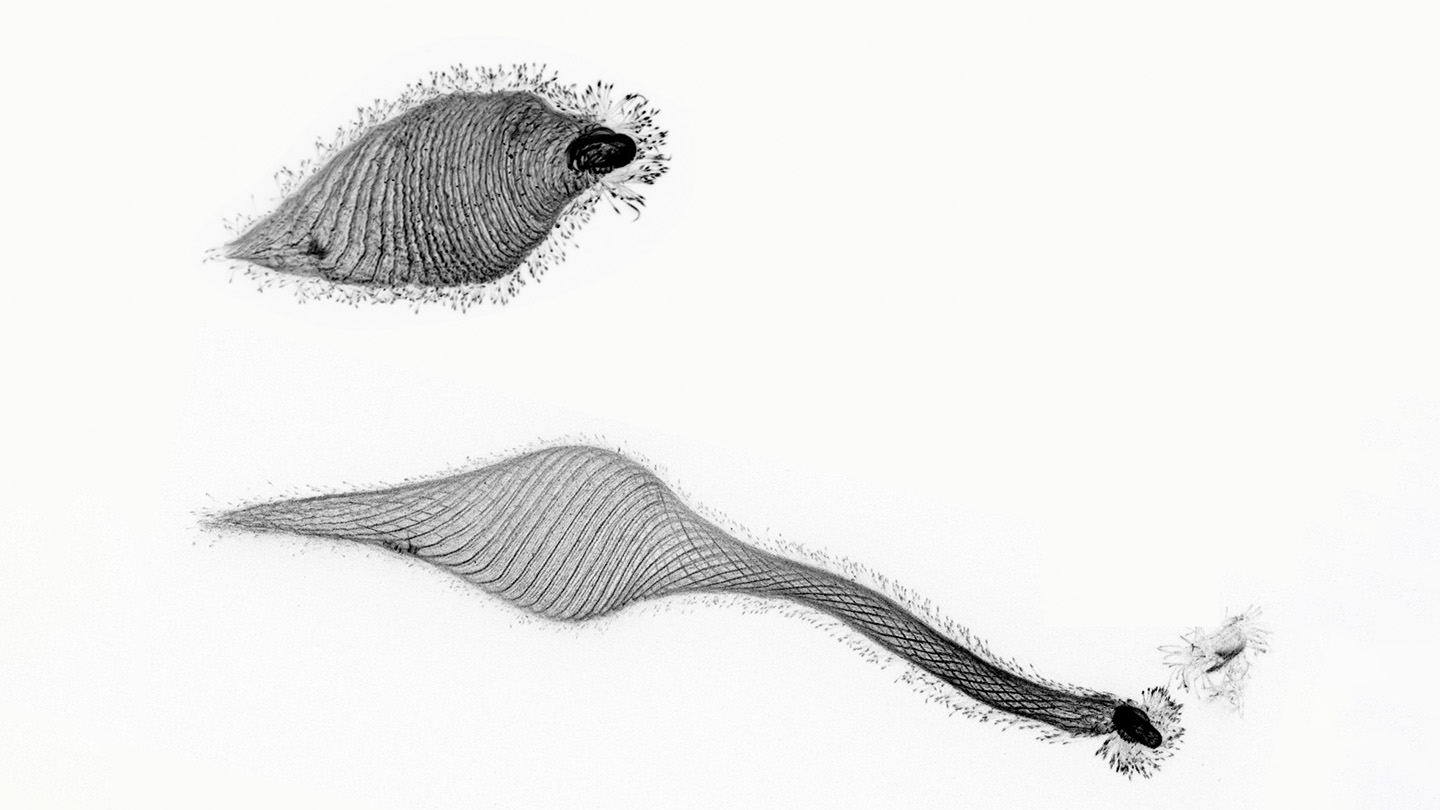
A single-celled protist, Lacrymaria olor, uses a helix of pleats folded like origami to extend its neck up to 30 times its body length. This unique mechanism helps the organism quickly snap up food, displaying a swift and efficient means of capturing prey. The discovery of this extraordinary ability could lead to applications in robotics, particularly in the development of microsurgical tools that can extend and contract in small body cavities.

Witnessing Lacrymaria olor’s neck in action reveals a rapid, snakelike movement as it extends and retracts its bulbous dome. The organism’s ability to perform this action repeatedly at high speeds sets it apart from other organisms with similar capabilities. Researchers have now shown that the cellular material of the organism’s neck is structured in a way that gives it the flexibility to extend and retract quickly and efficiently, making it a fascinating subject for further study.

The study sheds light on how Lacrymaria olor is able to rapidly shoot out long projections in search of food. The origami-like structure of its neck, made of curved creases, provides the necessary cellular material to extend and retract in a swift manner. This distinctive feature has intrigued researchers for over a century, and the recent study offers new insight into this previously unexplained phenomenon.

The discovery of L. olor’s origami-like neck structure has sparked interest in understanding how this process works. Through a combination of microscopy and live imaging, researchers observed layers of microtubules wrapped around the organism’s protrusion in a helix, resembling the folding patterns of origami. This unique geometry allows the protist to extend its neck in a rapid and efficient manner, demonstrating a novel approach to cellular extension.

By mimicking L. olor’s neck structure with folded paper models called “Lacrygami,” researchers were able to show how the helical microtubules unfold as each curved pleat in the neck expands. The unfolding process allows for the rapid extension of the neck, resembling the origami-like movements that the protist performs in nature. This innovative approach to studying cellular mechanics could have implications for future research in biology and biophysics.

While many questions remain regarding the mechanics of Lacrymaria olor’s origami-like neck and how it detects and feeds on prey, the discovery of this unique structure opens up new avenues for exploration. By peeling away the layers of mystery surrounding this organism’s cellular abilities, researchers hope to uncover further insights into the mechanisms behind its remarkable biological features. The origami-inspired design of its neck represents a fascinating example of nature’s ingenuity and may inspire future developments in bioengineering and robotics.

Follow on Google News Follow on Flipboard
Share. Facebook Twitter Pinterest Email Telegram WhatsApp Copy Link

You Might Like

Array

Array

Array

Array

Array

Array

Editors Picks

مرآة التاريخ: تحليل البناء السردي للدروس الخالدة في قصص الأنبياء والإسلام

3 weeks ago

السندات الحكومية والشركات: أساسيات الاستثمار الآمن والدخل الثابت

4 weeks ago

UAE Ranks Among Top Rugby Markets on TOD as British & Irish Lions Tour Kicks Off

5 months ago

Darven: A New Leap in AI-Powered Legal Technology Launching from the UAE to the World

5 months ago

Jordan to Host Iraq in the Final Round of the Asian World Cup Qualifiers After Securing Historic Spot

6 months ago

Latest News

فلسطين: قلبٌ ينبض بالصمود والأمل

6 months ago

Roland Garros 2025: A New Era of Viewing, A Tribute to Legends, and Moments to Remember

7 months ago

Array

7 months ago
Advertisement
Facebook X (Twitter) TikTok Instagram Threads
© 2025 West Timelines. All Rights Reserved. Developed By: Sawah Solutions
  • Privacy Policy
  • Terms
  • Contact

Type above and press Enter to search. Press Esc to cancel.