




Close Menu
West TimelinesWest Timelines
  • News
  • Politics
  • World
    • Africa
    • Asia
    • Australia
    • Europe
      • United Kingdom
      • Germany
      • France
      • Italy
      • Russia
      • Spain
      • Turkey
      • Ukraine
    • North America
      • United States
      • Canada
    • South America
  • Business
    • Finance
    • Markets
    • Investing
    • Small Business
    • Crypto
  • Elections
  • Entertainment
  • Health
  • Lifestyle
    • Fashion
    • Food & Drink
    • Travel
    • Astrology
  • Weird News
  • Science
  • Sports
    • Soccer
  • Technology
  • Viral Trends
Trending Now

Dubai Spotlight: Analyzing the Evolving Audience Tastes with AI Social Listening Tools in the UAE

2 weeks ago

مرآة التاريخ: تحليل البناء السردي للدروس الخالدة في قصص الأنبياء والإسلام

3 weeks ago

السندات الحكومية والشركات: أساسيات الاستثمار الآمن والدخل الثابت

4 weeks ago

UAE Ranks Among Top Rugby Markets on TOD as British & Irish Lions Tour Kicks Off

5 months ago

Darven: A New Leap in AI-Powered Legal Technology Launching from the UAE to the World

5 months ago
Facebook X (Twitter) Instagram
West TimelinesWest Timelines
  • News
  • US
  • #Elections
  • World
    • North America
      • United States
      • Canada
    • Europe
      • United Kingdom
      • Germany
      • France
      • Italy
      • Spain
      • Ukraine
      • Russia
      • Turkey
    • Asia
    • Australia
    • Africa
    • South America
  • Politics
  • Business
    • Finance
    • Investing
    • Markets
    • Small Business
    • Crypto
  • Lifestyle
    • Astrology
    • Fashion
    • Food & Drink
    • Travel
  • Health
  • Sports
    • Soccer
  • More
    • Entertainment
    • Technology
    • Science
    • Viral Trends
    • Weird News
Subscribe
  • Israel War
  • Ukraine War
  • United Kingdom
  • Canada
  • Germany
  • France
  • Italy
  • Russia
  • Spain
  • Turkey
  • Ukraine
West TimelinesWest Timelines
Home»Science
Science

A smaller-than-expected population inhabited one of the world’s first farming villages

May 20, 2024No Comments2 Mins Read
Facebook Twitter Pinterest LinkedIn Telegram Email WhatsApp Copy Link

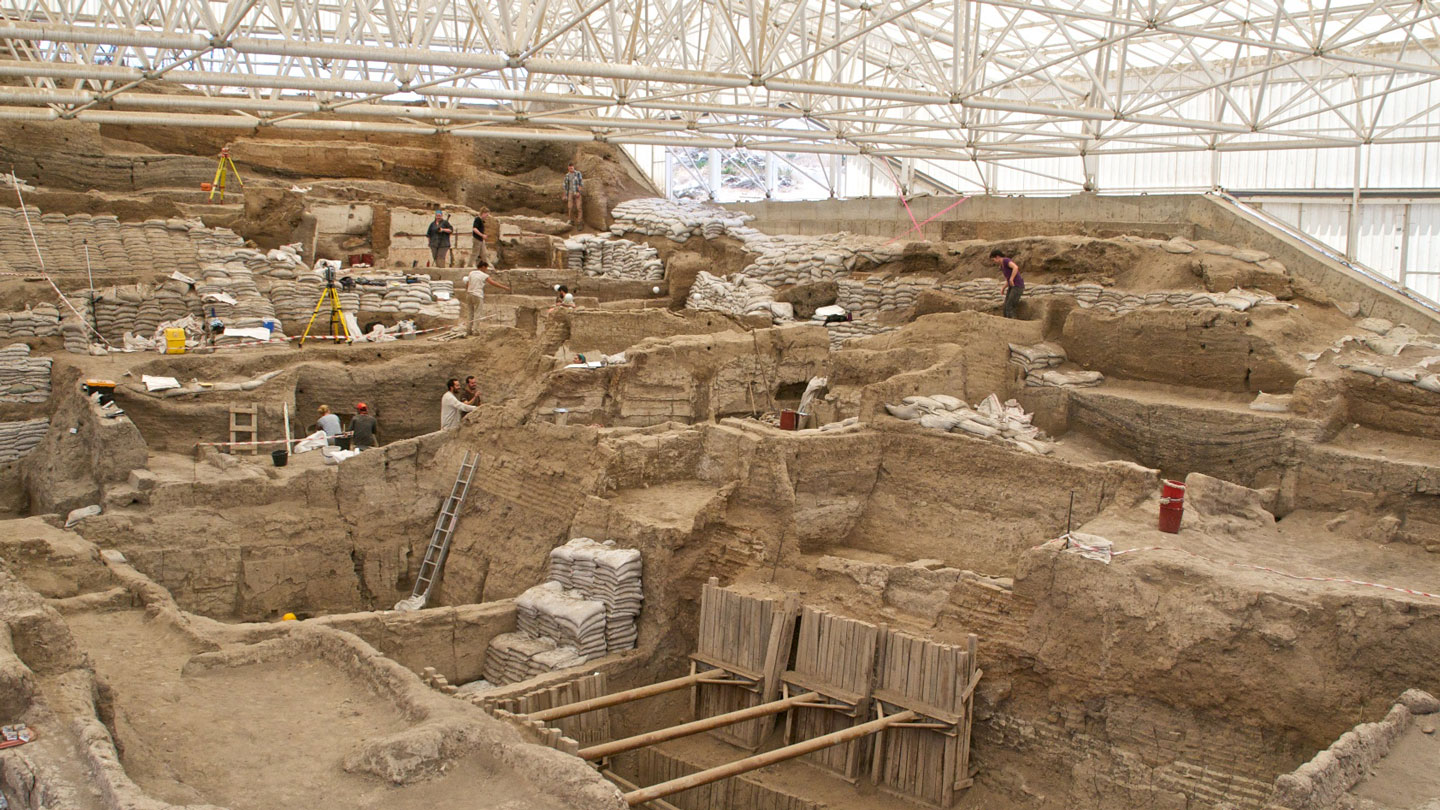
A recent study challenges the long-held belief that a farming-driven baby boom sparked the rise of ancient cities in southwest Asia, specifically at the site of Çatalhöyük in southern Turkey. Previous estimates pegged the population at this ancient settlement at anywhere from 2,800 to 10,000 individuals, spread across a vast area equivalent to nearly 26 U.S. football fields. However, new research suggests that the actual population during Çatalhöyük’s peak was much smaller, with only around 600 to 800 people living in this farming and herding village around 8,600 years ago.

The current findings challenge the assumption that all buildings at Çatalhöyük were constructed and occupied simultaneously, resulting in inflated population estimates for ancient settlements. The study suggests that, contrary to popular belief, early Neolithic villages did not experience rapid population growth associated with the spread of agriculture and animal domestication. Instead, the population size at Çatalhöyük remained relatively modest, with children under the age of 5 representing around 30 percent of the inhabitants.

The researchers used a variety of methods, including radiocarbon dating and sediment studies, to estimate the population levels at Çatalhöyük during different phases of its history. Their reconstruction indicates that the ancient site was likely home to a smaller, more manageable community compared to previous assumptions. This challenges the idea of explosive population growth leading to migrations and the rapid spread of the Neolithic way of life across southwest Asia and Europe.

The study’s findings suggest a more nuanced understanding of ancient population sizes and the dynamics of early farming villages. The analysis proposes a more realistic scenario for the population peak at Çatalhöyük, indicating that small populations characterized many Neolithic villages, with settlements being used for shorter periods and rebuilt over time. This gradual spread of agriculture and settlement patterns challenges traditional narratives of explosive growth and migration.

While the study represents a significant advancement in reconstructing ancient village populations, experts caution that population estimates in archaeology are inherently complex and subject to uncertainties. Additional evidence, such as ancient human DNA analysis, could further validate and refine population estimates for ancient settlements like Çatalhöyük. Overall, the research highlights the importance of reevaluating long-held assumptions about the demographic history of early farming communities in southwest Asia and beyond.


Follow on Google News Follow on Flipboard
Share. Facebook Twitter Pinterest Email Telegram WhatsApp Copy Link

You Might Like

Array

Array

Array

Array

Array

Array

Editors Picks

مرآة التاريخ: تحليل البناء السردي للدروس الخالدة في قصص الأنبياء والإسلام

3 weeks ago

السندات الحكومية والشركات: أساسيات الاستثمار الآمن والدخل الثابت

4 weeks ago

UAE Ranks Among Top Rugby Markets on TOD as British & Irish Lions Tour Kicks Off

5 months ago

Darven: A New Leap in AI-Powered Legal Technology Launching from the UAE to the World

5 months ago

Jordan to Host Iraq in the Final Round of the Asian World Cup Qualifiers After Securing Historic Spot

6 months ago

Latest News

فلسطين: قلبٌ ينبض بالصمود والأمل

6 months ago

Roland Garros 2025: A New Era of Viewing, A Tribute to Legends, and Moments to Remember

7 months ago

Array

7 months ago
Advertisement
Facebook X (Twitter) TikTok Instagram Threads
© 2025 West Timelines. All Rights Reserved. Developed By: Sawah Solutions
  • Privacy Policy
  • Terms
  • Contact

Type above and press Enter to search. Press Esc to cancel.