





Close Menu
West TimelinesWest Timelines
  • News
  • Politics
  • World
    • Africa
    • Asia
    • Australia
    • Europe
      • United Kingdom
      • Germany
      • France
      • Italy
      • Russia
      • Spain
      • Turkey
      • Ukraine
    • North America
      • United States
      • Canada
    • South America
  • Business
    • Finance
    • Markets
    • Investing
    • Small Business
    • Crypto
  • Elections
  • Entertainment
  • Health
  • Lifestyle
    • Fashion
    • Food & Drink
    • Travel
    • Astrology
  • Weird News
  • Science
  • Sports
    • Soccer
  • Technology
  • Viral Trends
Trending Now

Dubai Spotlight: Analyzing the Evolving Audience Tastes with AI Social Listening Tools in the UAE

2 weeks ago

مرآة التاريخ: تحليل البناء السردي للدروس الخالدة في قصص الأنبياء والإسلام

3 weeks ago

السندات الحكومية والشركات: أساسيات الاستثمار الآمن والدخل الثابت

4 weeks ago

UAE Ranks Among Top Rugby Markets on TOD as British & Irish Lions Tour Kicks Off

5 months ago

Darven: A New Leap in AI-Powered Legal Technology Launching from the UAE to the World

5 months ago
Facebook X (Twitter) Instagram
West TimelinesWest Timelines
  • News
  • US
  • #Elections
  • World
    • North America
      • United States
      • Canada
    • Europe
      • United Kingdom
      • Germany
      • France
      • Italy
      • Spain
      • Ukraine
      • Russia
      • Turkey
    • Asia
    • Australia
    • Africa
    • South America
  • Politics
  • Business
    • Finance
    • Investing
    • Markets
    • Small Business
    • Crypto
  • Lifestyle
    • Astrology
    • Fashion
    • Food & Drink
    • Travel
  • Health
  • Sports
    • Soccer
  • More
    • Entertainment
    • Technology
    • Science
    • Viral Trends
    • Weird News
Subscribe
  • Israel War
  • Ukraine War
  • United Kingdom
  • Canada
  • Germany
  • France
  • Italy
  • Russia
  • Spain
  • Turkey
  • Ukraine
West TimelinesWest Timelines
Home»Science
Science

Revealing the evolution and potential of the bird flu virus through genetic analyses

May 16, 2024No Comments3 Mins Read
Facebook Twitter Pinterest LinkedIn Telegram Email WhatsApp Copy Link

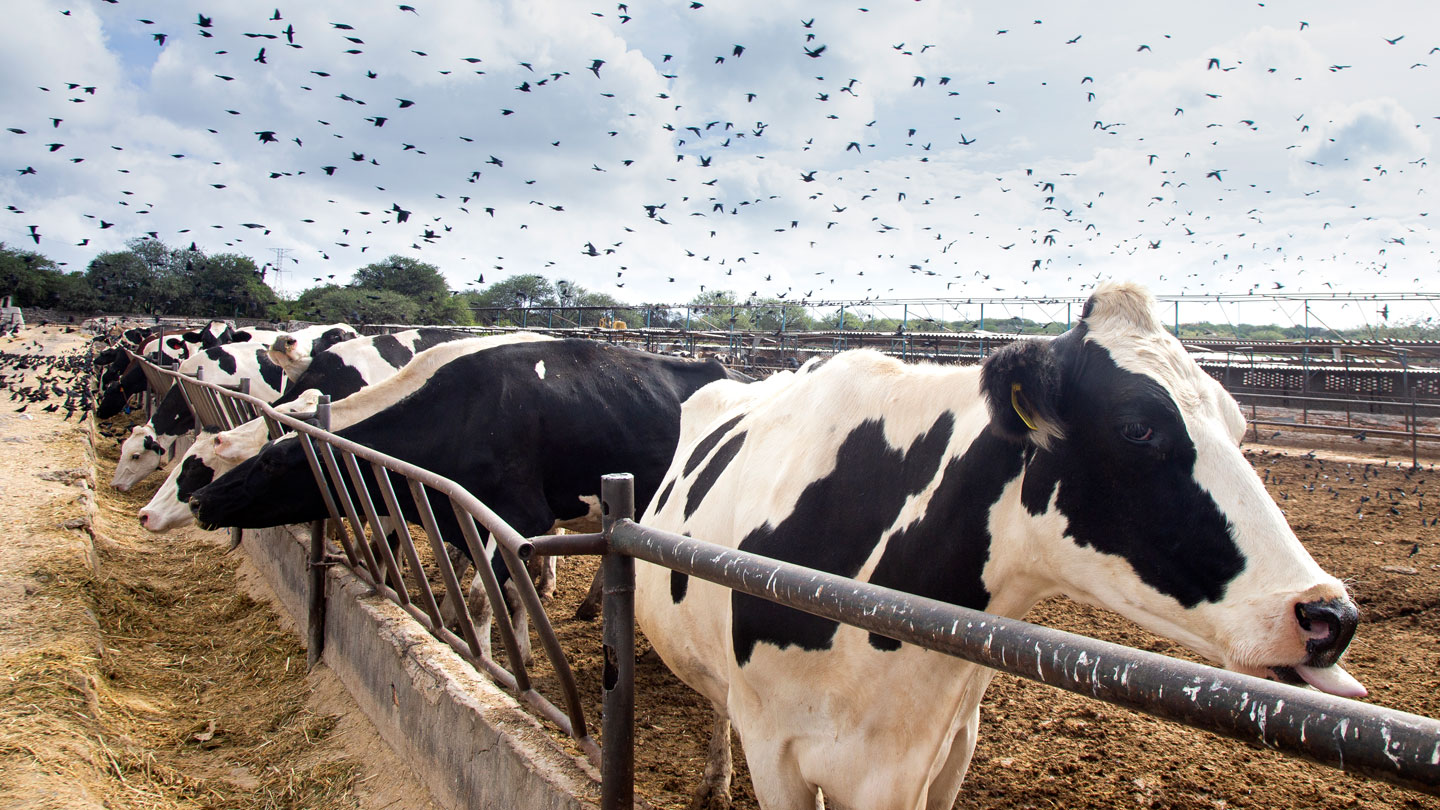
The outbreak of the highly pathogenic avian influenza A H5N1 virus in U.S. cattle has raised concerns about its transmission from birds to cows, as well as the potential for the virus to spread to humans and other animal species. Genetic analyses have traced the origin of the outbreak back to late December 2023 and revealed the spread of the virus among dairy cows in at least nine states. Cases of low milk production in dairy cows were reported in late January and early February, leading to the confirmation of H5N1 diagnosis by the U.S. Department of Agriculture on March 25.

The virus has not only infected cattle but has also spread to other species, including cats, raccoons, poultry, and wild birds. Infected dairy cows carried the virus to different U.S. states, leading to concerns about the potential mixing of different virus genotypes and the emergence of more lethal or transmissible strains. Additionally, a dairy farm worker in Texas contracted an eye infection from contact with sick cows, highlighting the risk of zoonotic transmission from animals to humans.

Genetic analyses have revealed a new subtype of the H5N1 strain, known as B3.13, which emerged in Europe in 2020 and was introduced to the Americas in 2021. The virus has demonstrated a high rate of reassortment, the exchange of genetic segments with other flu viruses, leading to the creation of multiple genotypes. The B3.13 genotype has been successful at replicating in cattle, leading to concerns about its potential to adapt to spread easily in mammals.

Despite the low risk of widespread transmission of the virus in people, the outbreak is reminiscent of the early stages of the COVID-19 pandemic, with genetic data highlighting the virus’s evolution and spread. Scientists are closely monitoring the situation to determine how the virus can jump from wildlife to domestic animals and humans and are working to contain its spread in cattle to prevent further zoonotic infections.

With various genetic changes identified in different subtypes of the virus, researchers are assessing the likelihood of the virus evolving to become more contagious or able to evade the immune system. Improved surveillance measures and rapid response protocols are being implemented to prevent a larger outbreak in cattle and reduce the risk of transmission to humans.

While the spread of the highly pathogenic avian influenza A H5N1 virus in U.S. cattle poses a significant threat, ongoing research and surveillance efforts are crucial in containing the outbreak and preventing further transmission. By understanding the genetics of the virus and its patterns of spread, scientists can develop effective strategies to protect both animal and human populations from the potential impacts of this infectious disease outbreak.


Follow on Google News Follow on Flipboard
Share. Facebook Twitter Pinterest Email Telegram WhatsApp Copy Link

You Might Like

Array

Array

Array

Array

Array

Array

Editors Picks

مرآة التاريخ: تحليل البناء السردي للدروس الخالدة في قصص الأنبياء والإسلام

3 weeks ago

السندات الحكومية والشركات: أساسيات الاستثمار الآمن والدخل الثابت

4 weeks ago

UAE Ranks Among Top Rugby Markets on TOD as British & Irish Lions Tour Kicks Off

5 months ago

Darven: A New Leap in AI-Powered Legal Technology Launching from the UAE to the World

5 months ago

Jordan to Host Iraq in the Final Round of the Asian World Cup Qualifiers After Securing Historic Spot

6 months ago

Latest News

فلسطين: قلبٌ ينبض بالصمود والأمل

6 months ago

Roland Garros 2025: A New Era of Viewing, A Tribute to Legends, and Moments to Remember

7 months ago

Array

7 months ago
Advertisement
Facebook X (Twitter) TikTok Instagram Threads
© 2025 West Timelines. All Rights Reserved. Developed By: Sawah Solutions
  • Privacy Policy
  • Terms
  • Contact

Type above and press Enter to search. Press Esc to cancel.