



Close Menu
West TimelinesWest Timelines
  • News
  • Politics
  • World
    • Africa
    • Asia
    • Australia
    • Europe
      • United Kingdom
      • Germany
      • France
      • Italy
      • Russia
      • Spain
      • Turkey
      • Ukraine
    • North America
      • United States
      • Canada
    • South America
  • Business
    • Finance
    • Markets
    • Investing
    • Small Business
    • Crypto
  • Elections
  • Entertainment
  • Health
  • Lifestyle
    • Fashion
    • Food & Drink
    • Travel
    • Astrology
  • Weird News
  • Science
  • Sports
    • Soccer
  • Technology
  • Viral Trends
Trending Now

Dubai Spotlight: Analyzing the Evolving Audience Tastes with AI Social Listening Tools in the UAE

2 weeks ago

مرآة التاريخ: تحليل البناء السردي للدروس الخالدة في قصص الأنبياء والإسلام

3 weeks ago

السندات الحكومية والشركات: أساسيات الاستثمار الآمن والدخل الثابت

4 weeks ago

UAE Ranks Among Top Rugby Markets on TOD as British & Irish Lions Tour Kicks Off

5 months ago

Darven: A New Leap in AI-Powered Legal Technology Launching from the UAE to the World

5 months ago
Facebook X (Twitter) Instagram
West TimelinesWest Timelines
  • News
  • US
  • #Elections
  • World
    • North America
      • United States
      • Canada
    • Europe
      • United Kingdom
      • Germany
      • France
      • Italy
      • Spain
      • Ukraine
      • Russia
      • Turkey
    • Asia
    • Australia
    • Africa
    • South America
  • Politics
  • Business
    • Finance
    • Investing
    • Markets
    • Small Business
    • Crypto
  • Lifestyle
    • Astrology
    • Fashion
    • Food & Drink
    • Travel
  • Health
  • Sports
    • Soccer
  • More
    • Entertainment
    • Technology
    • Science
    • Viral Trends
    • Weird News
Subscribe
  • Israel War
  • Ukraine War
  • United Kingdom
  • Canada
  • Germany
  • France
  • Italy
  • Russia
  • Spain
  • Turkey
  • Ukraine
West TimelinesWest Timelines
Home»Science
Science

Cell overcrowding in the airways could be a potential cause of chronic asthma

May 10, 2024No Comments3 Mins Read
Facebook Twitter Pinterest LinkedIn Telegram Email WhatsApp Copy Link

Asthma, a chronic lung disease that affects millions of people worldwide, has no cure despite the availability of treatments to manage symptoms. However, recent research has identified a potential unexpected cause of asthma that could lead to new ways to combat the disease. Scientists have discovered a glitch in the mechanical process that drives the turnover of epithelial cells lining the lungs, known as cell extrusion. This physical force may be responsible for chronic asthma attacks, and a better understanding could potentially lead to more effective treatments for the disease.

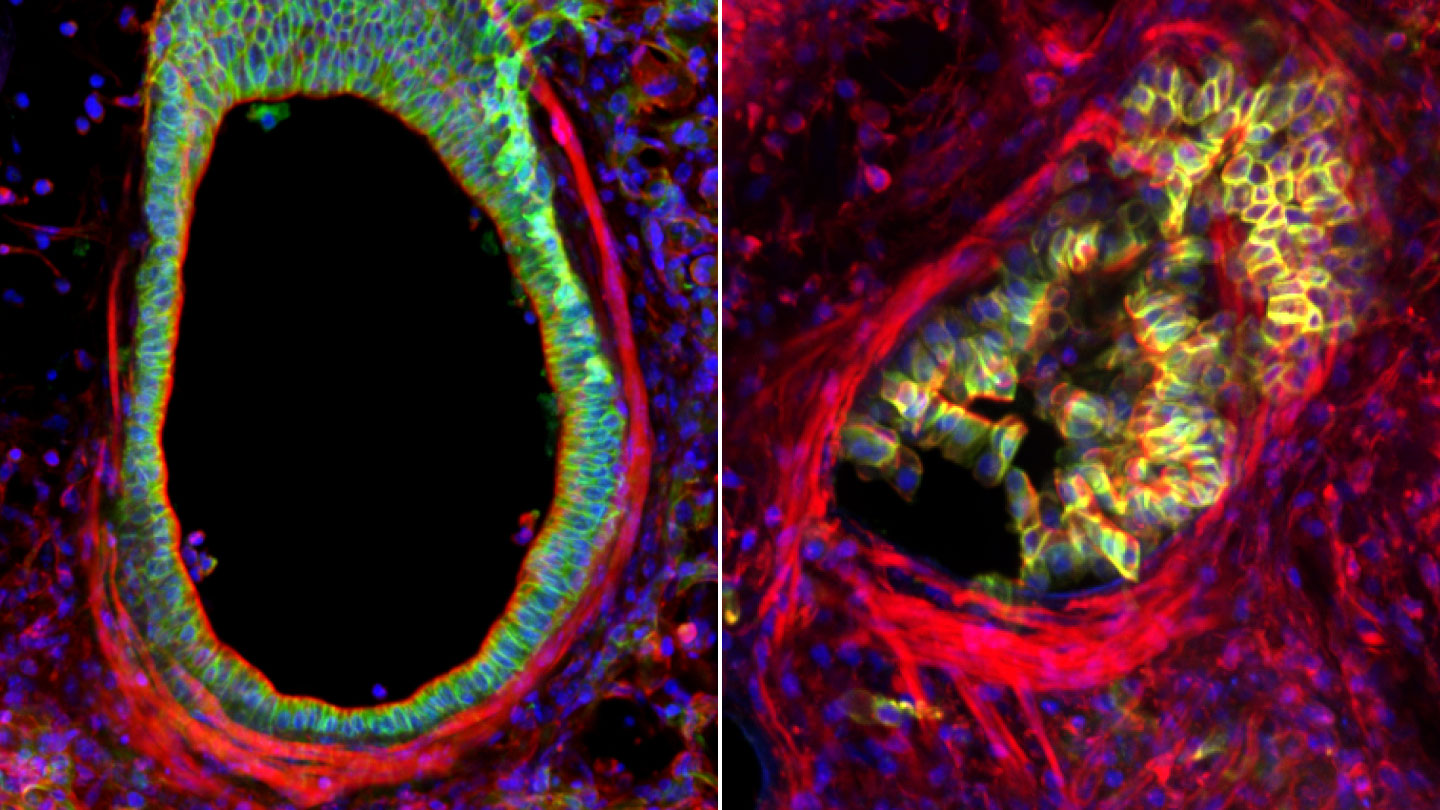
Cell extrusion is the process by which epithelial lung cells replicate, causing overcrowding and increased pressure. Weaker cells are then ejected from the layer, maintaining a healthy epithelial lining in the airways. Previous research has hinted at the involvement of this process in asthma, but researchers have traditionally focused on other triggers of the disease. With asthma affecting a significant number of people globally and often contributing to severe health issues, understanding the role of cell extrusion in the development of the disease could be crucial.

A study conducted by cell biologist Jody Rosenblatt and her team explored the link between asthma and cell extrusion. Through experiments on living mouse lung cells and human airway samples, they discovered that asthma attacks could lead to severe cell extrusion, mucus buildup, and damage in the airways. The pressure from asthma attacks can trigger a vicious cycle of cell death, damage, and future attacks, highlighting the potential impact of this mechanical process on disease progression.

Treatment with traditional asthma drugs, such as albuterol, was found to ease airway constriction during asthma attacks but did not reverse the resulting damage. Relaxing the airways with albuterol may create gaps in the epithelial lining, making individuals more susceptible to allergens and irritants. This could explain why some people with asthma report feeling worse over time despite medication, as the underlying damage persists.

Further experiments involving the inhibition of piezo1, a protein that senses mechanical pressure in epithelial cells, showed promising results. Blocking these cell receptors reduced excess cell extrusion, inflammation, and mucus production, suggesting a potential avenue for preventing asthma-related damage. Continued research is needed to explore the clinical applications of these findings in both animal models and human patients.

Overall, this research provides a valuable insight into the role of mechanical forces in the development and progression of asthma. Understanding how physical processes impact disease pathology could lead to novel treatments that target the underlying cause of asthma rather than just managing symptoms. This work represents a step towards more personalized and effective therapeutic approaches for individuals living with asthma.


Follow on Google News Follow on Flipboard
Share. Facebook Twitter Pinterest Email Telegram WhatsApp Copy Link

You Might Like

Array

Array

Array

Array

Array

Array

Editors Picks

مرآة التاريخ: تحليل البناء السردي للدروس الخالدة في قصص الأنبياء والإسلام

3 weeks ago

السندات الحكومية والشركات: أساسيات الاستثمار الآمن والدخل الثابت

4 weeks ago

UAE Ranks Among Top Rugby Markets on TOD as British & Irish Lions Tour Kicks Off

5 months ago

Darven: A New Leap in AI-Powered Legal Technology Launching from the UAE to the World

5 months ago

Jordan to Host Iraq in the Final Round of the Asian World Cup Qualifiers After Securing Historic Spot

6 months ago

Latest News

فلسطين: قلبٌ ينبض بالصمود والأمل

6 months ago

Roland Garros 2025: A New Era of Viewing, A Tribute to Legends, and Moments to Remember

7 months ago

Array

7 months ago
Advertisement
Facebook X (Twitter) TikTok Instagram Threads
© 2025 West Timelines. All Rights Reserved. Developed By: Sawah Solutions
  • Privacy Policy
  • Terms
  • Contact

Type above and press Enter to search. Press Esc to cancel.