



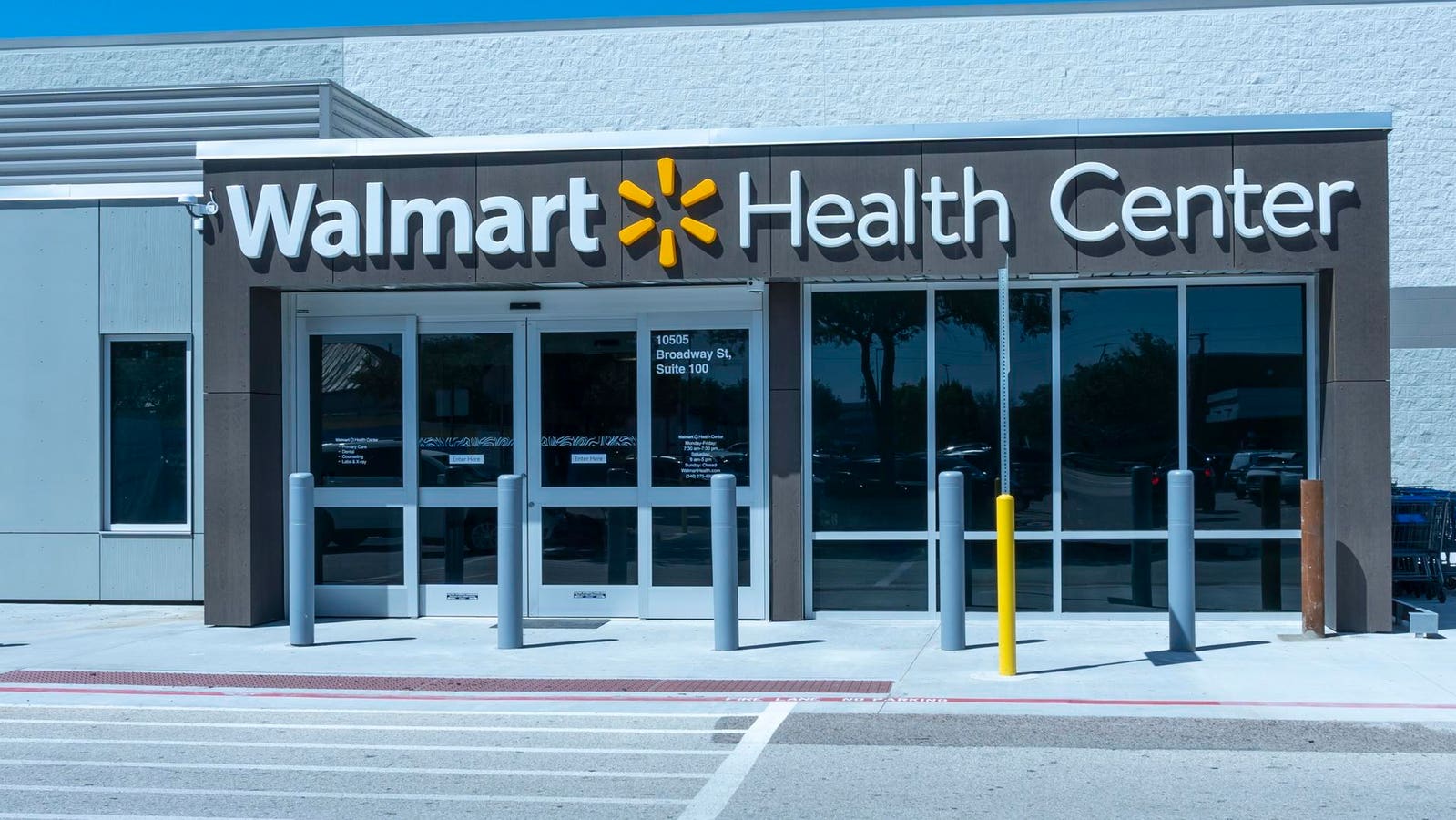
Walmart’s decision to close 51 health care clinics due to high operating costs has left many rural areas in the United States without access to much-needed medical care. These clinics often served as urgent care centers for individuals who needed immediate attention but did not require hospitalization. The closure of these clinics has limited the options available to rural residents in need of medical assistance, creating a gap in access to essential healthcare services.
In response to the lack of accessible healthcare in rural areas, Amazon has introduced a new service that uses drones to deliver prescriptions to individuals who have difficulty reaching traditional brick-and-mortar pharmacies. This innovative approach has been launched in New York City, offering same-day delivery of medication and pharmacist support for patients. The convenience and efficiency of this service have the potential to benefit customers in urban centers, as well as pave the way for future expansion into less densely populated regions.
The absence of primary care providers in rural areas has further exacerbated the healthcare crisis, especially during emergencies when quick access to life-saving medication is crucial. Companies like Get Well Network (Get Well) have emerged to address these gaps in care by offering digital monitoring services for patients. Founded in 1999 by Michael O’Neil, Get Well utilizes technology to ensure patients adhere to their treatment plans and receive necessary support from healthcare professionals. While Get Well does not directly provide pharmaceutical prescriptions, it plays a vital role in overseeing patients’ well-being and treatment progress.
The closure of Walmart health clinics highlights the urgent need for improved access to healthcare in underserved communities. The decision to shut down these facilities has underscored the importance of alternative solutions such as drone delivery services and digital monitoring platforms like Get Well Network. As the demand for medical care in rural areas continues to rise, it is essential for healthcare providers and technology companies to work together to bridge the gap and ensure all individuals have access to essential medical services.
The expansion of services like Amazon’s drone delivery and Get Well Network’s monitoring platform signify a shift towards more personalized and efficient healthcare solutions. By leveraging technology and innovative strategies, companies can help meet the growing demand for medical care in underserved communities. Walmart’s closure of health clinics serves as a reminder of the urgent need for accessible healthcare options for all individuals, regardless of their geographic location.
In conclusion, while the closure of Walmart health clinics may have left a gap in healthcare access for rural communities, innovative solutions such as drone delivery services and digital monitoring platforms are helping to address these challenges. It is crucial for healthcare providers, technology companies, and policymakers to collaborate in developing sustainable and effective strategies to ensure all individuals have access to essential medical services, regardless of their location. The need for immediate attention in healthcare is undeniable, and it is essential that steps are taken to bridge the gap in healthcare access for all individuals.