




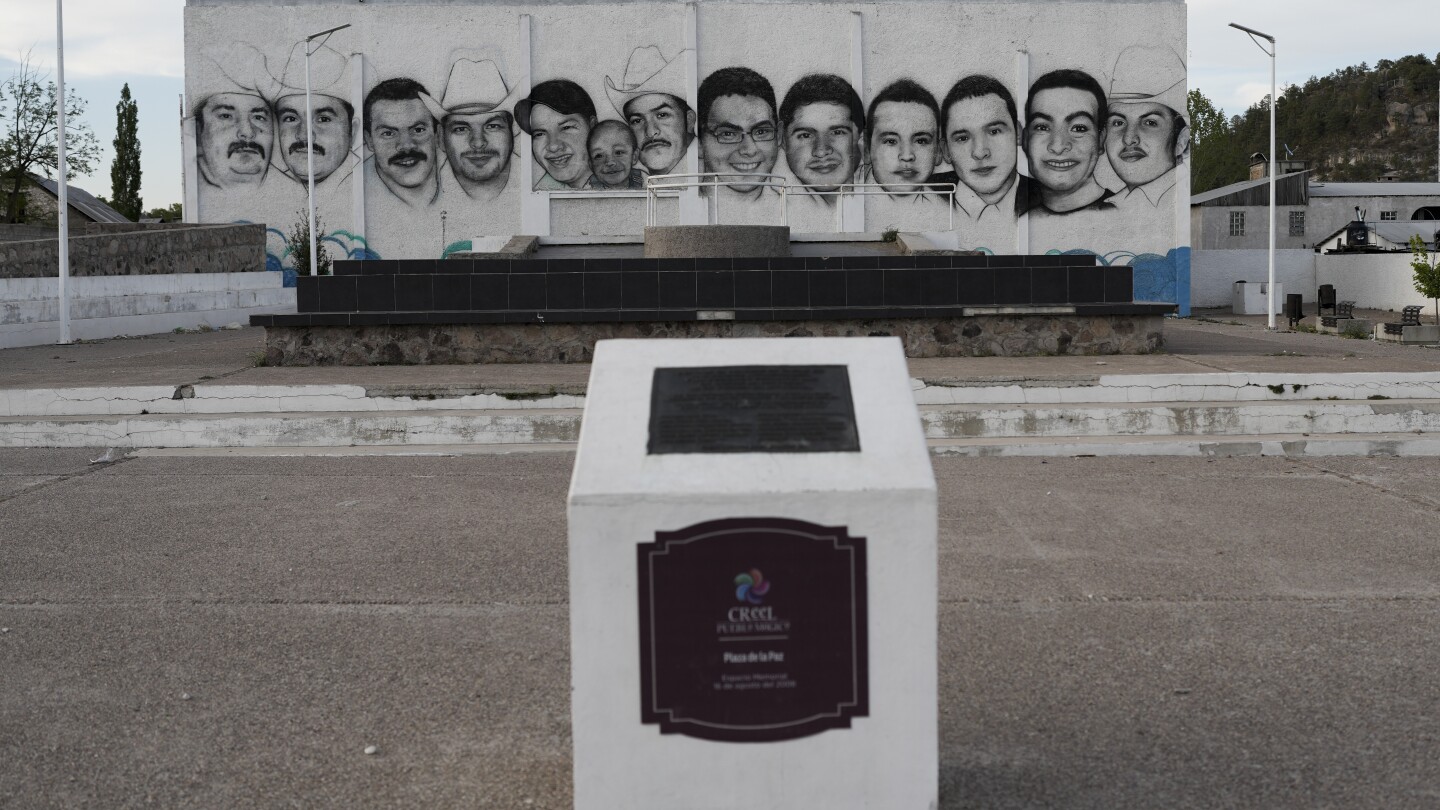
In a small town in northern Mexico, tragedy struck in mid-2022 as gang leader José Portillo Gil, also known as “El Chueco,” entered a church and brutally murdered Jesuit priests Javier Campos and Joaquín Mora. The community of Cerocahui, nestled in the Tarahumara mountains, was left shaken by the violence, and calls for peace have grown louder since President Andrés Manuel López Obrador took office in 2018. His approach of “hugs, not bullets” has faced criticism from religious leaders, human rights organizations, and journalists who decry the ongoing violence and lack of justice in the region.
The issue of organized crime and violence extends beyond Cerocahui to other parts of Mexico, with warring cartels displacing people from their homes and instilling fear in communities. As the country prepares for the 2024 elections, the topic of reducing violence has become a focal point. Presidential candidate Claudia Sheinbaum, while meeting with representatives of the Mexican bishops’ conference, expressed a willingness to address the issue but disagreed with their assessment of the situation. The ongoing violence has left many communities in a state of fear and uncertainty.
The presence of organized crime, represented by figures like El Chueco, has created an atmosphere of insecurity and unease in Cerocahui and surrounding areas. Control over local markets, elections, and law enforcement by these criminal elements has left residents feeling trapped and vulnerable. The brutal attack on the Jesuit priests inside the church serves as a stark reminder of the power wielded by these criminal groups and the impunity with which they operate.
Despite the challenges and dangers they face, local religious leaders like Rev. Jesús Reyes and Jesuit priest Javier Ávila continue to provide support and guidance to their communities. Recognized as beloved figures within the Indigenous Rarámuri people, these priests offer comfort and assistance to those in need. Even in the face of threats and violence, they remain committed to their mission of serving the marginalized and seeking justice for the victims of crime and corruption.
The recent Yúmari ceremony held in Cuiteco, where the community honored the slain Jesuit priests and prayed for God’s protection and guidance, highlights the resilience and faith of the local population. Despite the ongoing challenges and threats posed by criminal elements, the community remains united in their pursuit of peace and justice. The priests, though taken from them violently, continue to serve as symbols of hope and inspiration for those who seek a better future for themselves and their loved ones.
As the Mexican government grapples with the issue of organized crime and violence, grassroots efforts to negotiate peace agreements and seek alternative solutions have emerged. Local leaders and activists, like Javier Ávila and Todos Los Santos Dolores Villalobos, work tirelessly to advocate for their communities and seek pathways to reconciliation and healing. In the face of ongoing threats and challenges, the spirit of resilience and determination among the people of Cerocahui and other affected regions remains strong, fueled by a shared desire for a safer and more just society.