





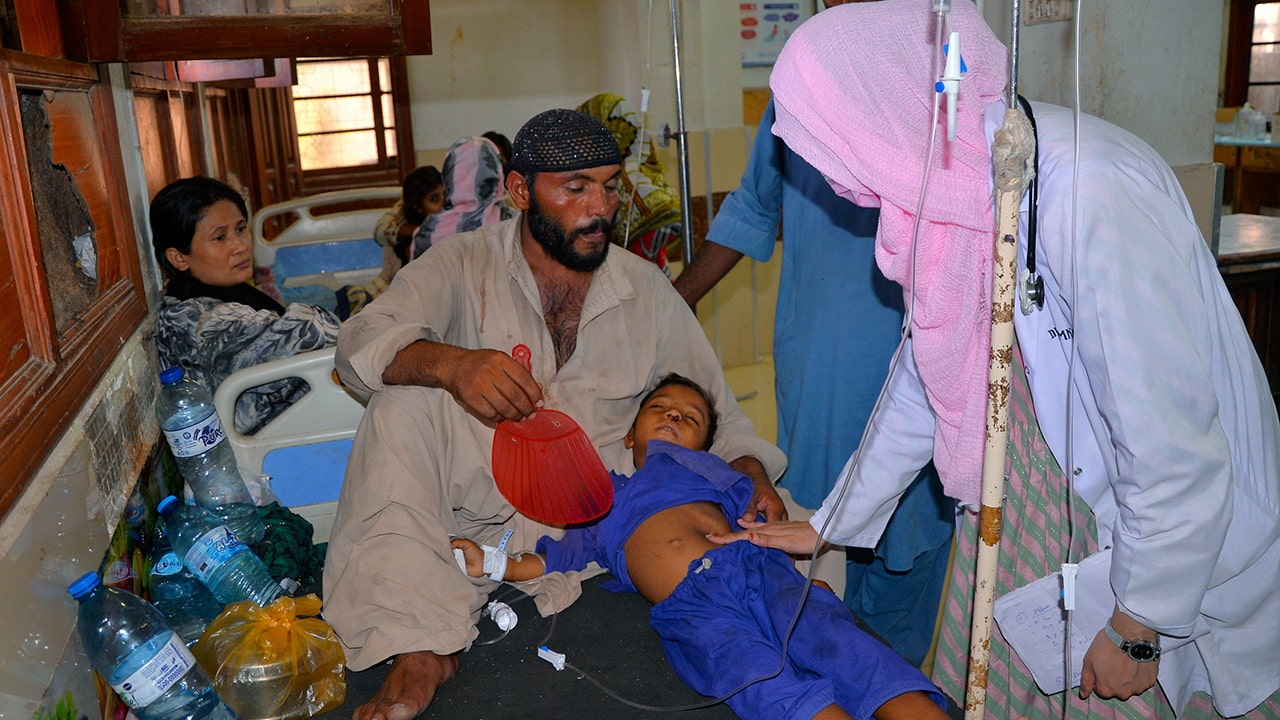
A new study by the United Nations children’s agency, UNICEF, has found that developing resilient energy systems to power health facilities in Pakistan could prevent over 175,000 deaths in the country by 2030. The study also revealed that this initiative could contribute $296 million to the fragile economy of Pakistan over the next 20 years by reducing maternal, adult, and infant mortality. This comes as Pakistan is currently facing an intense heatwave that has led to thousands falling ill, putting added pressure on the country’s healthcare system.
Temperatures in various parts of Pakistan have soared as high as 49 degrees Celsius (120 degrees Fahrenheit) during the recent heatwave, leading to authorities battling forest fires that have become increasingly common during heatwaves in recent years. A fire near the capital, Islamabad, broke out on Thursday, with firefighting helicopters working to douse the flames. The high temperatures have also resulted in increased demand for power, straining existing electricity sources and highlighting the need for more resilient energy systems.
UNICEF defines resilient energy as reliable, accessible, flexible, and high-quality power supplies that can withstand and quickly recover from unexpected shocks like power outages and floods. The agency emphasized the importance of having resilient energy supplies for schools, as it would reduce dropout rates, improve children’s learning, and ultimately allow them to earn more in the future. UNICEF representative in Pakistan, Abdullah Fadil, highlighted the critical role of electricity in ensuring the proper functioning of schools, health centers, and safe drinking water facilities, especially during extreme weather events like the current heatwave.
The study also pointed out that around 3.5 billion people globally do not have access to reliable power, with climate change exacerbating the disruption of energy generation and distribution in countries like Pakistan. Climate-induced events, such as floods triggered by monsoon rains in 2022, have had devastating effects in Pakistan, resulting in significant damage to water infrastructure and loss of lives. This year, Pakistan experienced the wettest April since 1961, followed by heavy rains in May that led to fears of flooding in the northwest due to glacial melting.
UNICEF has been actively involved in helping Pakistan restore water systems and implementing solar electrification initiatives in the country. The agency stressed the importance of investing in renewable resources to leverage Pakistan’s abundance of renewable energy sources and to benefit children and communities. Fadil called for increased involvement of the private sector in these initiatives, noting that public sector resources alone would not be sufficient. Ultimately, addressing the energy needs of health facilities and schools in Pakistan through resilient energy systems is crucial for ensuring the well-being and future prospects of children in the country.