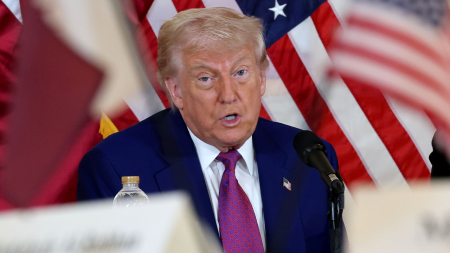





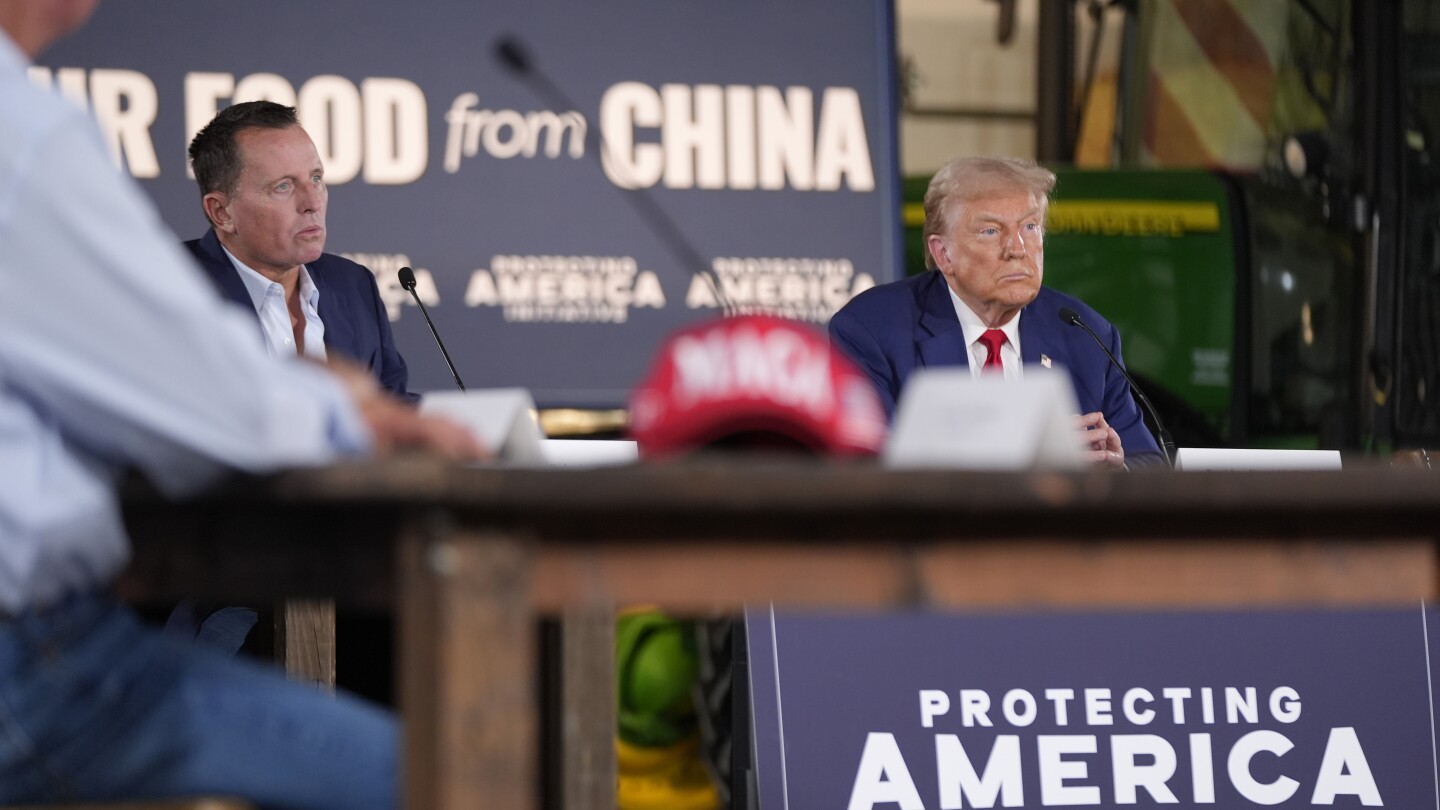
Former President Donald Trump sat down with farmers in a rural Pennsylvania barn to discuss China’s influence on the US economy. The event highlighted concerns about losing their way of life to China and featured large green tractors with a sign declaring “Protect our food from China.” Trump used the event to drive his economic message against Vice President Kamala Harris, emphasizing the importance of tariffs and boosting energy production to lower costs. He also criticized John Deere for moving manufacturing to Mexico and threatened a 200% tariff if they decided to export production to Mexico.
During the event, Trump was surprisingly restrained and listened to farmers and manufacturers express their concerns. He asked questions and allowed others to do most of the talking, showing a more somber side when discussing the closure of family farms. Trump acknowledged the struggles faced by small family farms and expressed his concern for their future. He also addressed energy production and the need for tariffs to counteract Chinese-subsidized businesses. Despite the more personable approach, Trump maintained his support for tariffs as a way to appeal to working-class voters who oppose free-trade deals and outsourcing.
After the event, Trump stopped at a neighborhood market in Indiana, Pennsylvania, where he bought popcorn and jokingly suggested he might send for more from the Oval Office if elected. He also gave a woman paying for groceries a $100 bill, reducing her total. However, at his evening rally, Trump reverted to his abrasive style, using a harsh message to energize conservative, white, working-class voters. He attacked Vice President Harris, claiming her agenda would destroy the economy and take away guns, money, pensions, and savings. Trump urged supporters to vote and criticized early voting, suggesting it could lead to fraud.
Trump’s event in Smithton was hosted by the Protecting America Initiative, focusing on China’s influence on US farmlands. China currently holds nearly 250,000 acres of US land, prompting concerns about foreign ownership of farmland. Trump supporters in the area expressed their desire for fewer taxes and more economic freedom, believing that Trump would prioritize the economy if re-elected. In contrast, Vice President Harris is visiting Pennsylvania to focus on climate change and energy issues. Her campaign spokesman criticized Trump’s trade policies, accusing him of favoring wealthy corporations over family farmers.
Overall, the event highlighted the ongoing economic concerns in rural Pennsylvania, with farmers and manufacturers expressing worries about China’s influence and the impact on their way of life. Trump emphasized the importance of tariffs and energy production to lower costs and protect American interests. Despite his combative tone at the evening rally, Trump showed a more restrained side during the roundtable discussion, listening to participants and acknowledging their struggles. The upcoming election will determine the direction of the US economy, with both Trump and Harris offering contrasting visions for the future.