





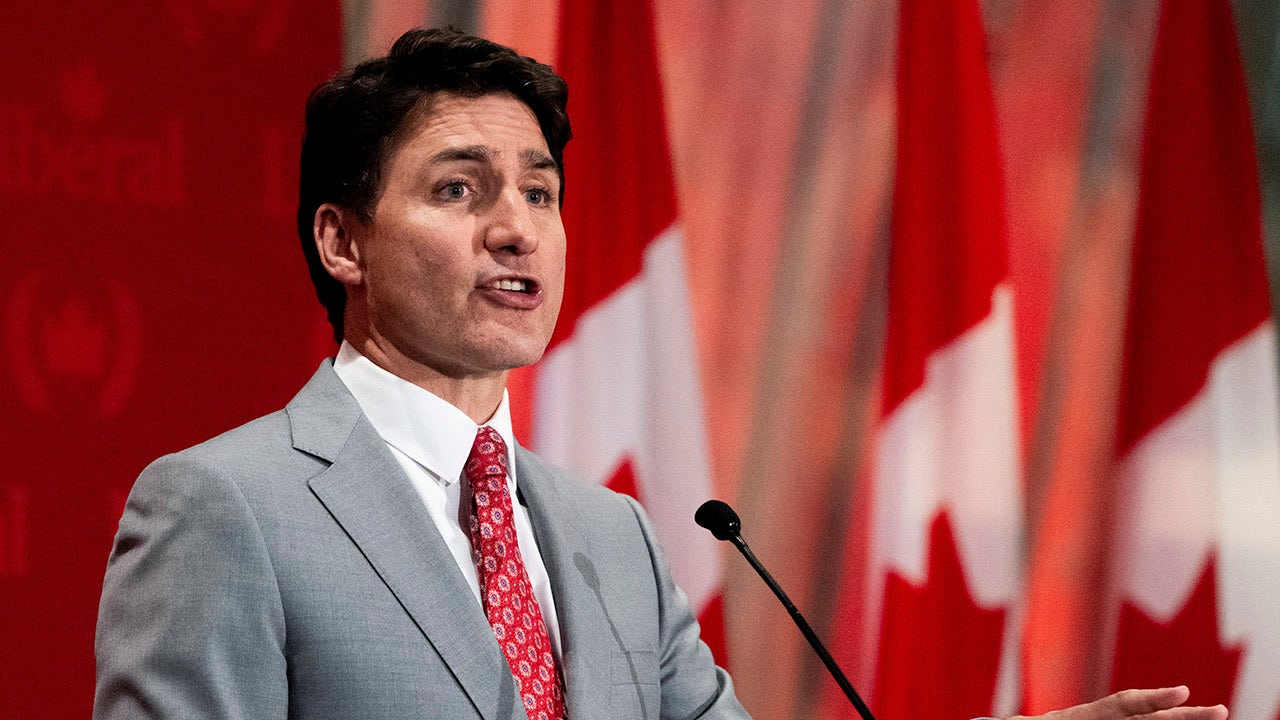
Canadian Prime Minister Justin Trudeau faced pressure from opposition parties to expand a public investigation into allegations of foreign interference in Canadian politics, specifically involving China and India. The National Security and Intelligence Committee of Parliamentarians (NSICOP) released a report claiming that some federal-level officials were involved in efforts by foreign states to influence elections and politics in Canada. Trudeau expressed the importance of taking foreign interference seriously and supporting the Bloc Québécois motion to send the report to Commissioner Marie-Josée Hogue’s work for further investigation.
Conservative Leader Pierre Poilievre called on the government to name the lawmakers referenced in the redacted report, but Public Safety Minister Dominic LeBlanc stated that doing so would be against the law. The Bloc Québécois introduced a motion to broaden the scope of the investigation to include parliamentarians who may have worked for the interests of foreign powers. Trudeau initially tasked Justice Marie-Josée Hogue with leading the commission last fall amid allegations of interference by the Chinese government in Canadian politics.
The special report by NSICOP highlighted the issue of foreign interference in Canada’s democratic processes and institutions, with examples of some parliamentarians being unwittingly targeted, while others were knowingly assisting foreign state actors. The report pointed to China as the largest threat of foreign interference to Canada, with Russia focusing its strategic priorities elsewhere. India emerged as the second-most significant foreign interference threat. The report highlighted efforts by foreign states to covertly buy influence with candidates and elected officials in Canada.
Trudeau condemned the conservative and far-right party wins in the European Parliament elections, expressing concern about the rise of populist right-wing forces around the world. He emphasized the importance of responding to challenges and solving problems rather than amplifying anger without offering solutions. The government’s efforts to address foreign interference in Canadian politics were highlighted, with measures being taken to investigate and address any potential breaches of trust or national security.
The report raised concerns about members of Parliament being influenced by foreign actors and providing confidential information to foreign officials. Specific incidents of foreign interference were mentioned in the redacted report, but no criminal charges have been mentioned so far. The report also referred to attempts by the People’s Republic of China to influence Canadian lawmakers and mobilize support in their favor. The report highlighted the need for vigilance and strong measures to protect Canada’s democratic institutions from foreign interference.
In conclusion, the issue of foreign interference in Canadian politics is a significant concern, with the NSICOP report shedding light on the extent of the problem. Trudeau’s government has been urged to take decisive action to address these issues and safeguard the integrity of Canada’s democracy. The involvement of foreign states such as China and India in influencing Canadian politics highlights the need for increased scrutiny and oversight to prevent any further breaches of national security. The government’s response to the report and its commitment to investigating these allegations demonstrate a proactive approach to addressing foreign interference in Canadian politics.