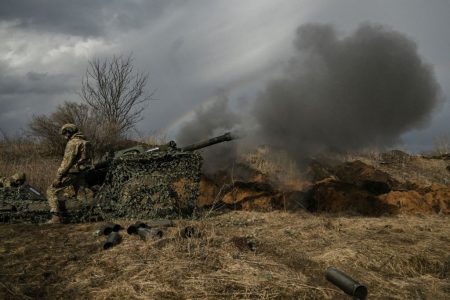




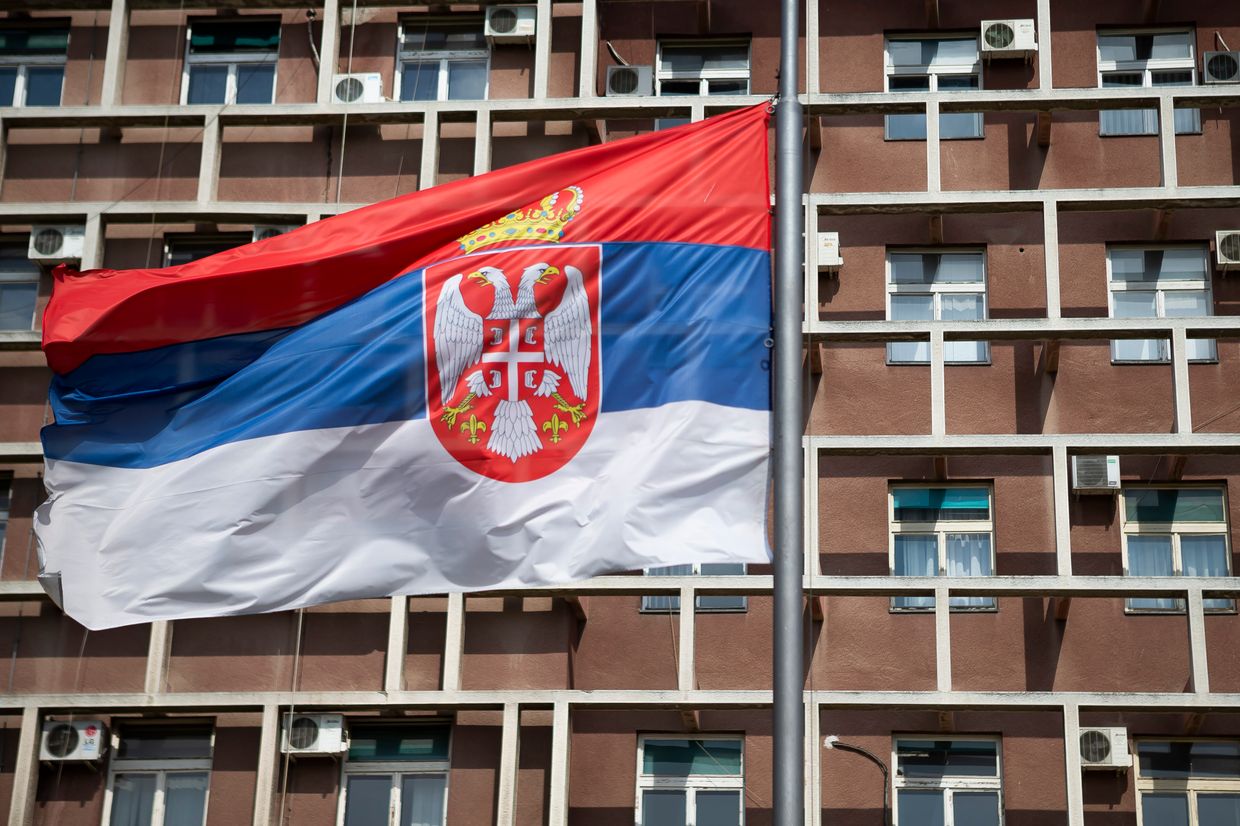
Three engineers working at a Serbian weapons factory have been arrested on suspicion of spying for a foreign organization. The Krusik factory, which manufactures weapons and ammunition, including 155 mm artillery shells, has been at the center of this espionage case. The accused individuals are said to have taken confidential documentation from the company without authorization and handed it over to a foreign entity. This action is believed to have compromised the security, defense, military, and other interests of Serbia. The incident reflects a broader trend in Europe, with several countries reporting cases of espionage and sabotage linked to Russia.
The relationship between Serbia and Ukraine has been complicated, particularly due to Belgrade’s friendly ties with Russia. Despite this, reports emerged that Serbian-manufactured ammunition worth $855 million had indirectly made its way to Ukraine. This further raises concerns about the potential involvement of foreign entities in influencing regional dynamics through covert means. The arrested engineers are accused of weakening the power of Serbia by leaking sensitive information to a foreign organization. This incident highlights the vulnerability of defense establishments to espionage and underlines the importance of safeguarding national security interests.
Spy rings purportedly linked to Russia have been uncovered in various European countries, including Ukraine, the UK, and Slovenia. The scale of espionage activities has prompted intelligence agencies like Mi5 in the UK to prioritize targeting spies over terrorists. Russia, along with China and Iran, has been actively recruiting individuals for espionage activities, posing a significant threat to national security across Europe. Recent revelations suggest that Russia has been engaging with violent right-wing extremists to carry out sabotage attacks in European nations and the UK. This trend underscores the need for enhanced vigilance and counterintelligence measures to thwart such clandestine operations.
The case of Viacheslav Morozov, a former Estonian university professor turned convicted Russian spy, sheds light on the intricate web of espionage activities happening in the region. Morozov’s transition from academia to espionage exemplifies the diverse tactics employed by foreign intelligence agencies to recruit assets for their operations. Countries like Estonia, which have been at the forefront of countering Russian influence, face ongoing challenges in safeguarding their institutions from infiltration. The curious case of Morozov underscores the pervasive nature of espionage and the need for continuous monitoring and counteraction to address this threat effectively.
The espionage incident involving the Serbian weapons factory and the subsequent arrests of the engineers underscore the persistent challenges faced by governments in safeguarding classified information and national security interests. The leak of sensitive documentation from a state-owned facility raises questions about internal security protocols and the need for stringent measures to prevent unauthorized access to critical data. The implications of such breaches extend beyond the immediate context to regional geopolitical dynamics, highlighting the complexities of managing relationships with neighboring countries and external actors. The incident serves as a reminder of the evolving threats posed by state-sponsored espionage and the imperative of proactive measures to mitigate the risks associated with such activities.
In conclusion, the recent arrests in Serbia, coupled with broader trends of espionage activities across Europe, point to the ongoing threat posed by hostile foreign entities seeking to compromise national security interests. The interconnected nature of global geopolitics underscores the need for vigilant monitoring, robust security measures, and international cooperation to address espionage effectively. The case of the Serbian engineers and the wider implications for regional stability emphasize the importance of proactive intelligence gathering, counterintelligence operations, and decisive action to deter and neutralize potential threats. Governments and intelligence agencies must remain alert to the evolving tactics and strategies employed by hostile actors to safeguard their nations’ sovereignty and security in an increasingly complex and interconnected world.