



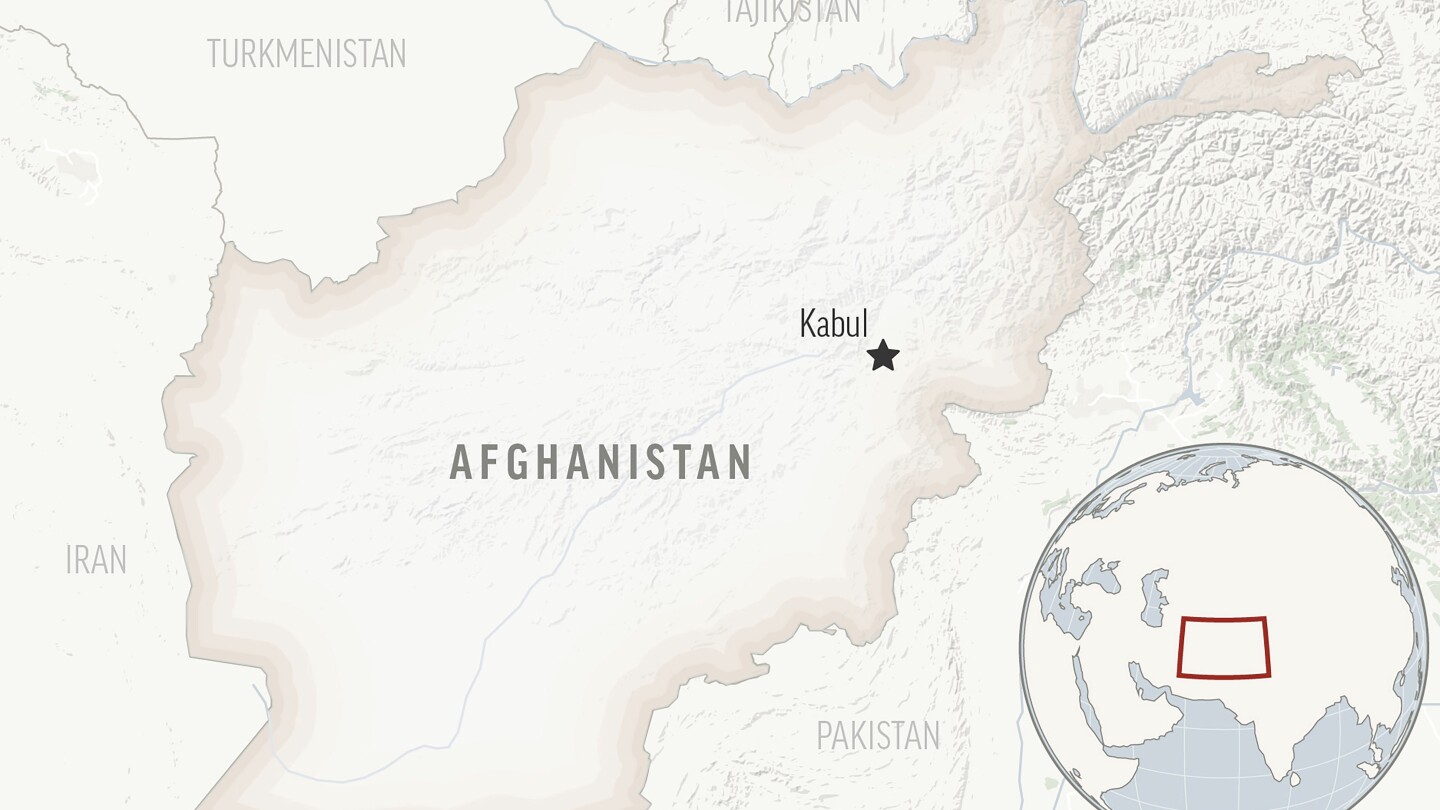
The Taliban in Afghanistan have issued a warning to journalists and experts against working with Afghanistan International TV, claiming that it is committing professional violations and violating moral and legal boundaries. This is the first time the Taliban has specifically targeted a media outlet in this manner. The Ministry of Information and Culture has urged all journalists and experts in the country to cease their collaboration with the station, citing 10 reasons to avoid working with Afghanistan International TV, including misinformation and campaigning against the ruling system.
The deputy minister for broadcasting, Zia ul Haq Haqmal, stated that individuals would be committing a crime if they cooperated with the station and mentioned that those who fail to comply may face punishment from the court. However, the director of Afghanistan International TV, Harun Najafizada, stated that the commission’s decision would not affect the channel, as they have no employees or freelancers in the country. Najafizada emphasized that the station relies on the reporting of Afghan citizens and has strict verification processes in place to maintain their professional standards.
Afghanistan ranks poorly in terms of press freedom, with the latest index from Reporters without Borders placing the country near the bottom at 178 out of 180. The organization highlighted incidents of media censorship, including the arrest of radio reporters for broadcasting music and receiving calls from female listeners, as well as the suspension of TV stations for allegedly not adhering to national and Islamic values. Journalists in Afghanistan have faced challenges and job losses following the Taliban takeover in 2021, with many media outlets closing due to financial constraints or staff leaving the country.
The Taliban’s restrictions on media outlets and journalists are part of a broader crackdown on freedom of expression in Afghanistan. During their previous rule in the late 1990s, the Taliban prohibited most forms of television, radio, and newspapers. The recent warning against working with Afghanistan International TV is seen as a continuation of their efforts to control the flow of information and suppress dissenting voices. Despite these challenges, media organizations like Afghanistan International TV continue to operate and strive to uphold professional standards in the face of intimidation and threats.
The situation for journalists in Afghanistan remains uncertain as the Taliban enforces strict restrictions on media outlets and individuals who criticize or challenge their authority. Press freedom in the country has been severely compromised, with journalists facing harassment, arrests, and job losses. The international community has condemned the Taliban’s actions and called for the protection of journalists’ rights to report without fear of reprisal. As Afghanistan grapples with ongoing political and social instability, the role of the media in providing accurate and independent information becomes even more crucial in ensuring transparency and accountability in the country.