



The conflict between Israel and Iran has been ongoing for decades, with both countries engaging in a shadow war across the Middle East through various means such as drones, missiles, cyber attacks, and proxies like Hezbollah. However, a recent escalation occurred when Iran directly attacked Israel from its own territory for the first time, marking a historic event according to experts. Iran has often used foreign proxies to target Israeli interests, while Israel has utilized targeted assassinations of Iranian military leaders and nuclear scientists as part of its strategy.
In recent years, there have been multiple incidents that have heightened tensions between the two countries. This includes an Israeli airstrike in August 2019 that killed two Iranian-trained militants in Syria, an attack on an Israeli-owned oil tanker off the coast of Oman, and the assassination of Iran’s top nuclear scientist in November 2021. Iran retaliated by targeting American troops in Iraq with missile strikes after the assassination of Maj. Gen. Qassim Suleimani in January 2020.
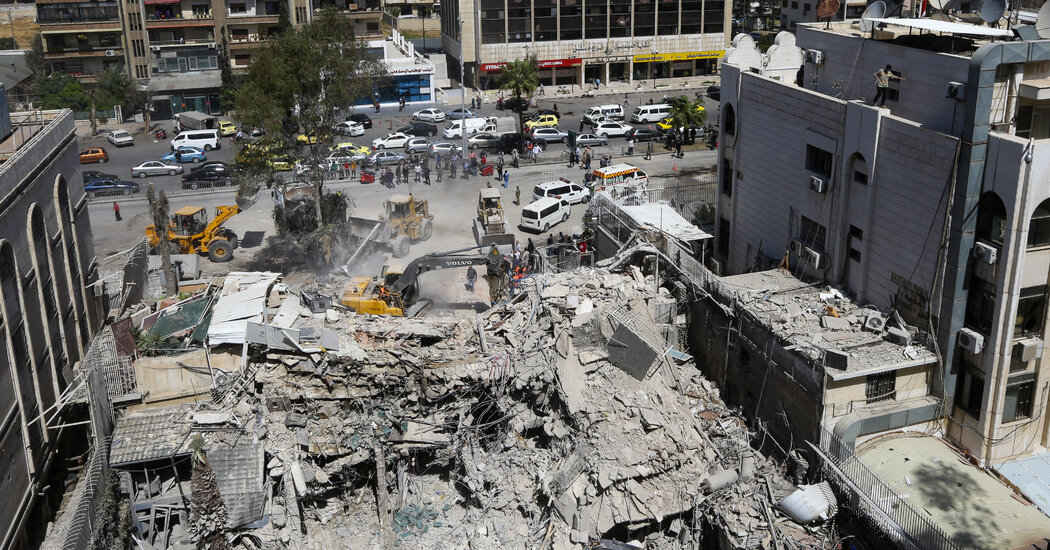
Further escalation occurred in January 2024 with the assassination of a Hamas leader in a suburb of Beirut, Lebanon, leading to increased attacks by Hezbollah on Israel. Israel responded with military strikes targeting Hezbollah commanders in Lebanon, leading to a cycle of retaliation. A series of airstrikes also occurred in southern Lebanon and northern Syria, killing Syrian soldiers, Hezbollah fighters, and Iranian officers, with Iran blaming Israel for the attacks.
The conflict between Israel and Iran has continued to intensify, with both sides engaging in a cycle of retaliation and counterattacks. The use of proxies, targeted assassinations, and military strikes has defined the shadow war that has been ongoing for decades. The recent escalation, including direct attacks from Iran’s own territory and the targeting of top Iranian military commanders, has raised concerns about further escalation and the potential for more widespread conflict in the region.
The ongoing conflict between Israel and Iran has implications for regional stability and security, with the involvement of proxies like Hezbollah and Hamas further complicating the situation. The use of drones, missiles, and cyber attacks highlights the evolving nature of warfare in the region and the potential for escalation. It remains to be seen how the conflict will continue to unfold and whether efforts to de-escalate tensions will be successful in the future.
As the shadow war continues, the international community remains concerned about the potential for further escalation and the impact on regional stability. The involvement of major military players like Israel and Iran, as well as their respective proxies, raises the stakes in the conflict and highlights the complexities of the situation. Efforts to defuse tensions and find diplomatic solutions to the ongoing conflict will be crucial in preventing a wider confrontation and maintaining peace in the region.