



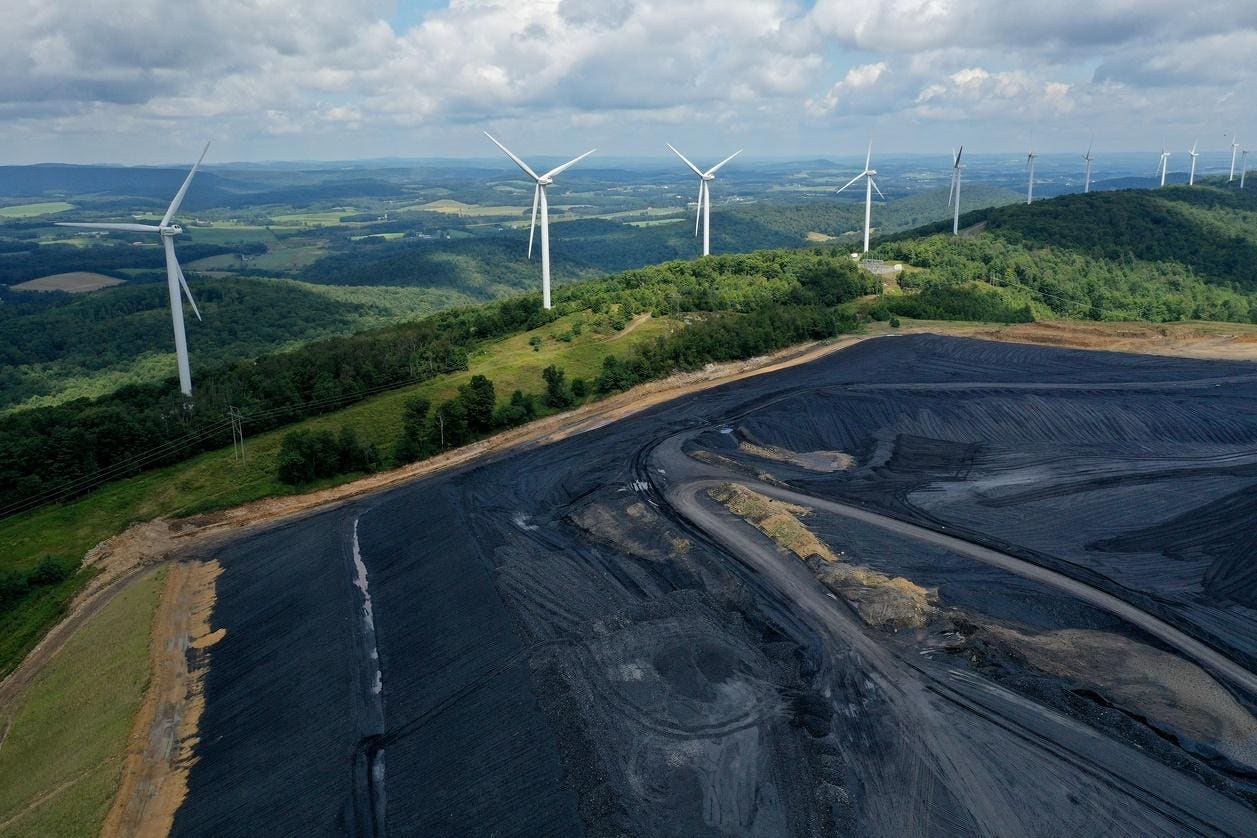
The U.S. energy landscape has undergone significant changes since 2000, influenced by economic, technological, and policy trends. At the turn of the century, coal was the dominant source of electricity generation, with natural gas primarily used for heating and industrial processes. Renewable energy played a smaller role, but that would soon change.
The mid-2000s saw a rise in natural gas consumption due to advancements in hydraulic fracturing and horizontal drilling. Coal consumption remained stable while renewables started to gain traction with increased investments in wind and solar energy.
In the late 2000s and early 2010s, there was a shift towards cleaner energy sources as coal consumption declined and natural gas consumption increased. Renewable energy also saw growth, driven by incentives, technological advancements, and decreasing costs.
By the mid-2010s, the trend towards cleaner energy accelerated with coal consumption plummeting, natural gas consumption rising, and renewables experiencing significant growth. The late 2010s to early 2020s solidified the dominance of natural gas and renewables in the energy mix, with coal consumption continuing to decline.
Recent trends show continued growth of natural gas and renewables, with coal consumption bouncing back slightly in 2023. Renewable energy consumption reached a record high, reflecting ongoing investments in renewable infrastructure.
Overall, the U.S. energy landscape has seen a dramatic transformation over the past two decades with coal consumption declining, natural gas consumption increasing, and renewables playing a more significant role. However, comparisons between these energy sources are not straightforward due to differences in energy conversion efficiency. Despite this, further efforts to reduce carbon emissions are expected to drive the continued growth of renewables and natural gas in the U.S. energy sector.