



Close Menu
West TimelinesWest Timelines
  • News
  • Politics
  • World
    • Africa
    • Asia
    • Australia
    • Europe
      • United Kingdom
      • Germany
      • France
      • Italy
      • Russia
      • Spain
      • Turkey
      • Ukraine
    • North America
      • United States
      • Canada
    • South America
  • Business
    • Finance
    • Markets
    • Investing
    • Small Business
    • Crypto
  • Elections
  • Entertainment
  • Health
  • Lifestyle
    • Fashion
    • Food & Drink
    • Travel
    • Astrology
  • Weird News
  • Science
  • Sports
    • Soccer
  • Technology
  • Viral Trends
Trending Now

3 Special Awards Announced at the MICHELIN Guide Restaurant Celebration Saudi Arabia 2026

2 months ago

RING LAUNCHES NEW AI-POWERED SMART VIDEO SEARCH IN THE UAE

3 months ago

Dubai Spotlight: Analyzing the Evolving Audience Tastes with AI Social Listening Tools in the UAE

5 months ago

مرآة التاريخ: تحليل البناء السردي للدروس الخالدة في قصص الأنبياء والإسلام

5 months ago

السندات الحكومية والشركات: أساسيات الاستثمار الآمن والدخل الثابت

5 months ago
Facebook X (Twitter) Instagram
West TimelinesWest Timelines
  • News
  • US
  • #Elections
  • World
    • North America
      • United States
      • Canada
    • Europe
      • United Kingdom
      • Germany
      • France
      • Italy
      • Spain
      • Ukraine
      • Russia
      • Turkey
    • Asia
    • Australia
    • Africa
    • South America
  • Politics
  • Business
    • Finance
    • Investing
    • Markets
    • Small Business
    • Crypto
  • Lifestyle
    • Astrology
    • Fashion
    • Food & Drink
    • Travel
  • Health
  • Sports
    • Soccer
  • More
    • Entertainment
    • Technology
    • Science
    • Viral Trends
    • Weird News
Subscribe
  • Israel War
  • Ukraine War
  • United Kingdom
  • Canada
  • Germany
  • France
  • Italy
  • Russia
  • Spain
  • Turkey
  • Ukraine
West TimelinesWest Timelines
Home»Politics
Politics

The reasons behind U.S. officials’ push to ban TikTok.

April 24, 2024No Comments3 Mins Read
Facebook Twitter Pinterest LinkedIn Telegram Email WhatsApp Copy Link

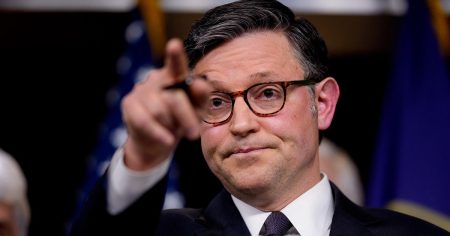
The Senate has passed a law that could potentially lead to a ban of TikTok in the U.S., with concerns centered around the video-sharing app’s ties to China. Lawmakers worry that the Chinese government could exploit TikTok for spying on Americans or covertly influencing public opinion. FBI Director Christopher Wray has warned that Chinese national security laws could compromise Americans’ devices through the software. Legislators fear that TikTok poses a national security risk due to the data collected and shared by the app. The Senate Intelligence Committee, led by Senator Mark Warner, has backed the legislation, citing the need to protect American security interests.

Despite the push to ban TikTok, some lawmakers argue that this move could infringe on free speech rights and negatively impact millions of American users who rely on the platform for news and business purposes. TikTok has denied any allegiance to the Chinese government and has announced plans to mount a legal challenge against the legislation, claiming it violates the First Amendment rights. The company has invested heavily in securing user data and has taken steps to safeguard American users’ data on U.S. servers. However, critics argue that allowing TikTok’s algorithm and source code to remain in China could still leave the platform vulnerable to exploitation by the Chinese government.

Supporters of the legislation, such as Senator Ed Markey, acknowledge the national security risks posed by TikTok but caution that the law could amount to censorship and restrict access to a popular platform. Senator Rand Paul has expressed concerns that this law could set a dangerous precedent for the government to force the sale of other companies, leading to potential unconstitutional overreach. TikTok executives, including CEO Shou Zi Chew, remain confident in their legal stance and have vowed to defend the platform against the ban. The Chinese government’s lobbying efforts against the legislation highlight the stakes involved in the ongoing debate over the future of TikTok in the U.S.

The passing of this legislation marks a significant step in the effort to address national security concerns related to TikTok and its ties to China. The potential ban of TikTok in the U.S. raises questions about the balance between national security interests and the protection of free speech rights. As the controversy continues to unfold, the fate of TikTok in the U.S. remains uncertain, with legal battles and constitutional challenges expected to prolong the process. Despite differing opinions on the issue, the bipartisan support for the legislation underscores the seriousness of the concerns raised about the popular social media app and its potential implications for American users and national security.
Follow on Google News Follow on Flipboard
Share. Facebook Twitter Pinterest Email Telegram WhatsApp Copy Link

You Might Like

Array

Array

Array

Array

Array

Array

Editors Picks

RING LAUNCHES NEW AI-POWERED SMART VIDEO SEARCH IN THE UAE

3 months ago

Dubai Spotlight: Analyzing the Evolving Audience Tastes with AI Social Listening Tools in the UAE

5 months ago

مرآة التاريخ: تحليل البناء السردي للدروس الخالدة في قصص الأنبياء والإسلام

5 months ago

السندات الحكومية والشركات: أساسيات الاستثمار الآمن والدخل الثابت

5 months ago

UAE Ranks Among Top Rugby Markets on TOD as British & Irish Lions Tour Kicks Off

9 months ago

Latest News

Darven: A New Leap in AI-Powered Legal Technology Launching from the UAE to the World

9 months ago

Jordan to Host Iraq in the Final Round of the Asian World Cup Qualifiers After Securing Historic Spot

10 months ago

فلسطين: قلبٌ ينبض بالصمود والأمل

10 months ago
Advertisement
Facebook X (Twitter) TikTok Instagram Threads
© 2026 West Timelines. All Rights Reserved. Developed By: Sawah Solutions
  • Privacy Policy
  • Terms
  • Contact

Type above and press Enter to search. Press Esc to cancel.