



Close Menu
West TimelinesWest Timelines
  • News
  • Politics
  • World
    • Africa
    • Asia
    • Australia
    • Europe
      • United Kingdom
      • Germany
      • France
      • Italy
      • Russia
      • Spain
      • Turkey
      • Ukraine
    • North America
      • United States
      • Canada
    • South America
  • Business
    • Finance
    • Markets
    • Investing
    • Small Business
    • Crypto
  • Elections
  • Entertainment
  • Health
  • Lifestyle
    • Fashion
    • Food & Drink
    • Travel
    • Astrology
  • Weird News
  • Science
  • Sports
    • Soccer
  • Technology
  • Viral Trends
Trending Now

Dubai Spotlight: Analyzing the Evolving Audience Tastes with AI Social Listening Tools in the UAE

1 month ago

مرآة التاريخ: تحليل البناء السردي للدروس الخالدة في قصص الأنبياء والإسلام

1 month ago

السندات الحكومية والشركات: أساسيات الاستثمار الآمن والدخل الثابت

1 month ago

UAE Ranks Among Top Rugby Markets on TOD as British & Irish Lions Tour Kicks Off

6 months ago

Darven: A New Leap in AI-Powered Legal Technology Launching from the UAE to the World

6 months ago
Facebook X (Twitter) Instagram
West TimelinesWest Timelines
  • News
  • US
  • #Elections
  • World
    • North America
      • United States
      • Canada
    • Europe
      • United Kingdom
      • Germany
      • France
      • Italy
      • Spain
      • Ukraine
      • Russia
      • Turkey
    • Asia
    • Australia
    • Africa
    • South America
  • Politics
  • Business
    • Finance
    • Investing
    • Markets
    • Small Business
    • Crypto
  • Lifestyle
    • Astrology
    • Fashion
    • Food & Drink
    • Travel
  • Health
  • Sports
    • Soccer
  • More
    • Entertainment
    • Technology
    • Science
    • Viral Trends
    • Weird News
Subscribe
  • Israel War
  • Ukraine War
  • United Kingdom
  • Canada
  • Germany
  • France
  • Italy
  • Russia
  • Spain
  • Turkey
  • Ukraine
West TimelinesWest Timelines
Home»News
News

The Prolonged Process of Elections in India

April 18, 2024No Comments3 Mins Read
Facebook Twitter Pinterest LinkedIn Telegram Email WhatsApp Copy Link

India is currently in the midst of a colossal democratic process as voters head to the polls to decide whether Prime Minister Narendra Modi will remain in office for a third term. With 969 million eligible voters, India is the world’s most populous nation, making the election process complex and time-consuming. This is further complicated by India’s geography, election rules, security measures, holidays, and the use of electronic voting machines.

The sheer scale of India’s population and geographic diversity play a significant role in the length of the electoral process. With a land area of over a million square miles, election workers must travel vast distances to set up polling stations to ensure voters don’t have to travel more than 2 kilometers from their homes. This can involve travel by foot, bicycle, helicopter, boat, or even horse, camel, or elephant, with some journeys lasting days.

India’s history of election violence and disorder led to the deployment of national paramilitary forces in the 1990s to ensure order and security during the electoral process. Over 300,000 security forces are currently deployed to transport voting machines and maintain peace at voting booths. The use of multiple stages in the election process allows soldiers to shift from one region to another, preventing violent outbreaks and ensuring voter safety.

The Election Commission of India meticulously plans election dates to avoid conflicts with public holidays, religious festivals, harvest season, academic schedules, exam timetables, and weather considerations. This strategic planning has contributed to high voter turnout rates, with 67 percent of eligible voters participating in the 2019 national election. However, this careful scheduling has also led to criticisms that the election process takes too long, allowing for the spread of rumors and disinformation.

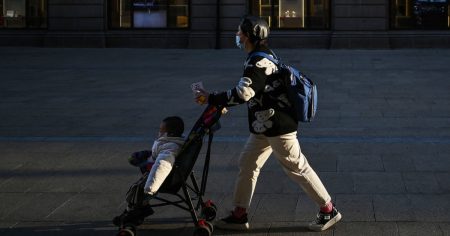
The introduction of electronic voting machines in 2004 revolutionized the voting process in India, making it simpler and more efficient. These machines have become standard in all national elections, aiding millions of voters, particularly in crowded cities where polling stations can serve thousands of people. The machines consist of a control unit, balloting units, and a printer, all housed in portable carrying cases. Once the voting is complete, counting is expedited, thanks to these machines, making the process faster and more accurate.

Overall, India’s electoral process is a massive undertaking due to its vast population, diverse geography, stringent security measures, and use of electronic voting machines. While the length of the process may seem daunting, it is essential for ensuring the integrity and fairness of the election. Despite challenges and criticisms, such as the extended duration and potential for misinformation, India’s commitment to democracy is evident in its efforts to conduct free and fair elections for its citizens.

Follow on Google News Follow on Flipboard
Share. Facebook Twitter Pinterest Email Telegram WhatsApp Copy Link

You Might Like

Array

Array

Array

Array

Array

Array

Editors Picks

مرآة التاريخ: تحليل البناء السردي للدروس الخالدة في قصص الأنبياء والإسلام

1 month ago

السندات الحكومية والشركات: أساسيات الاستثمار الآمن والدخل الثابت

1 month ago

UAE Ranks Among Top Rugby Markets on TOD as British & Irish Lions Tour Kicks Off

6 months ago

Darven: A New Leap in AI-Powered Legal Technology Launching from the UAE to the World

6 months ago

Jordan to Host Iraq in the Final Round of the Asian World Cup Qualifiers After Securing Historic Spot

6 months ago

Latest News

فلسطين: قلبٌ ينبض بالصمود والأمل

7 months ago

Roland Garros 2025: A New Era of Viewing, A Tribute to Legends, and Moments to Remember

7 months ago

Array

7 months ago
Advertisement
Facebook X (Twitter) TikTok Instagram Threads
© 2025 West Timelines. All Rights Reserved. Developed By: Sawah Solutions
  • Privacy Policy
  • Terms
  • Contact

Type above and press Enter to search. Press Esc to cancel.