



Close Menu
West TimelinesWest Timelines
  • News
  • Politics
  • World
    • Africa
    • Asia
    • Australia
    • Europe
      • United Kingdom
      • Germany
      • France
      • Italy
      • Russia
      • Spain
      • Turkey
      • Ukraine
    • North America
      • United States
      • Canada
    • South America
  • Business
    • Finance
    • Markets
    • Investing
    • Small Business
    • Crypto
  • Elections
  • Entertainment
  • Health
  • Lifestyle
    • Fashion
    • Food & Drink
    • Travel
    • Astrology
  • Weird News
  • Science
  • Sports
    • Soccer
  • Technology
  • Viral Trends
Trending Now

Dubai Spotlight: Analyzing the Evolving Audience Tastes with AI Social Listening Tools in the UAE

1 month ago

مرآة التاريخ: تحليل البناء السردي للدروس الخالدة في قصص الأنبياء والإسلام

1 month ago

السندات الحكومية والشركات: أساسيات الاستثمار الآمن والدخل الثابت

1 month ago

UAE Ranks Among Top Rugby Markets on TOD as British & Irish Lions Tour Kicks Off

6 months ago

Darven: A New Leap in AI-Powered Legal Technology Launching from the UAE to the World

6 months ago
Facebook X (Twitter) Instagram
West TimelinesWest Timelines
  • News
  • US
  • #Elections
  • World
    • North America
      • United States
      • Canada
    • Europe
      • United Kingdom
      • Germany
      • France
      • Italy
      • Spain
      • Ukraine
      • Russia
      • Turkey
    • Asia
    • Australia
    • Africa
    • South America
  • Politics
  • Business
    • Finance
    • Investing
    • Markets
    • Small Business
    • Crypto
  • Lifestyle
    • Astrology
    • Fashion
    • Food & Drink
    • Travel
  • Health
  • Sports
    • Soccer
  • More
    • Entertainment
    • Technology
    • Science
    • Viral Trends
    • Weird News
Subscribe
  • Israel War
  • Ukraine War
  • United Kingdom
  • Canada
  • Germany
  • France
  • Italy
  • Russia
  • Spain
  • Turkey
  • Ukraine
West TimelinesWest Timelines
Home»News
News

The possible ban of TikTok in the US and the consequences seen in India

April 24, 2024No Comments2 Mins Read
Facebook Twitter Pinterest LinkedIn Telegram Email WhatsApp Copy Link

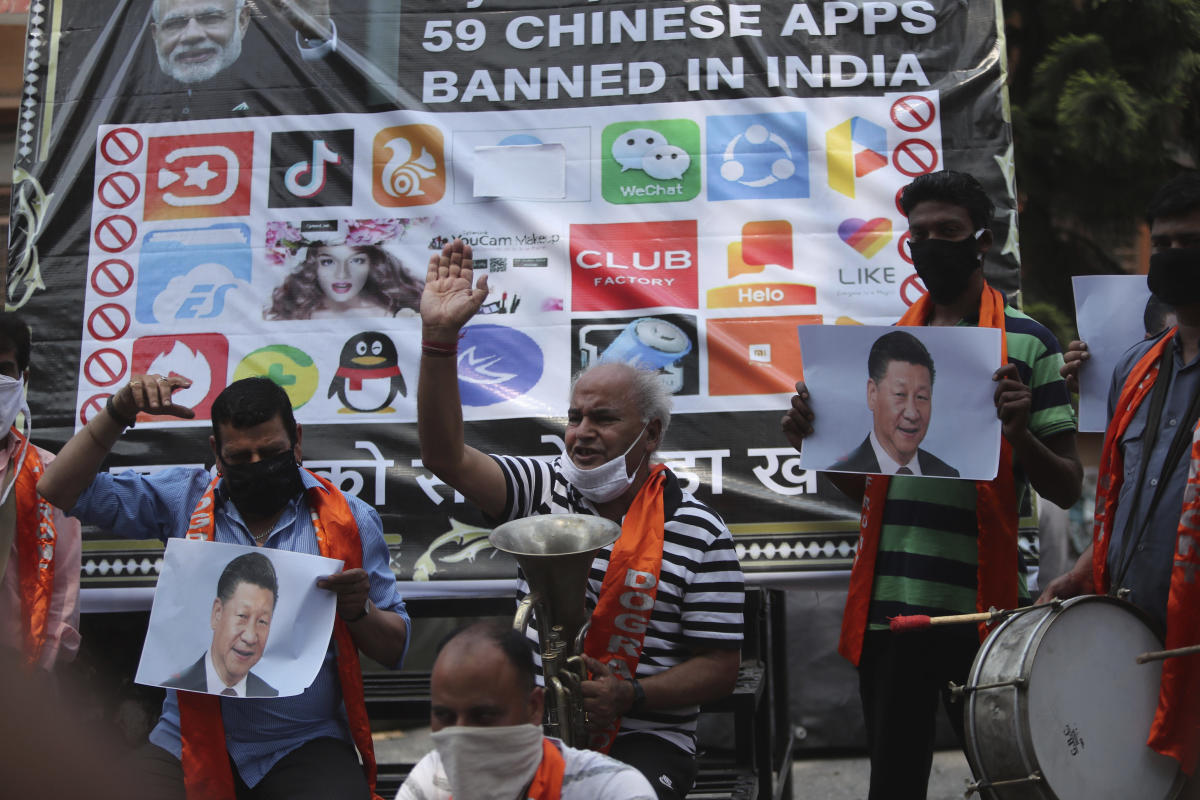
The popular Chinese app TikTok may soon be forced out of the U.S. after a measure to outlaw the video-sharing app won congressional approval and is on its way to President Biden for his signature. In India, the app was banned nearly four years ago following a military clash along the India-China border, where twenty Indian and four Chinese soldiers were killed. The Indian government cited privacy concerns and threats to national sovereignty and security as reasons for the ban, which garnered widespread support in the country.

At the time of the ban, India had about 200 million TikTok users, making it the largest market outside of China. Users and content creators were left looking for alternative platforms, leading to the introduction of YouTube Shorts and Instagram Reels that mimicked TikTok’s short-form video creation style. TikTok content in India was known for being hyperlocal, showcasing everyday life in small towns and cities. Despite the ban, most content creators and users seamlessly transitioned to these new platforms, such as Instagram, allowing them to continue sharing their content and even earning money.

The process of banning TikTok in India differed from the situation in the U.S., where the legislation gives the app’s parent company, ByteDance, nine months to sell it, with a possible extension if a sale is in progress. The ban would take at least a year to go into effect, but potential court challenges could prolong the process. In contrast, India’s ban was swift, with the app and other companies permanently banned by January 2021 after being given time to address privacy and security concerns. The nature of the U.S. legal system, particularly the First Amendment protecting free speech rights, could make banning TikTok more challenging.

As Chinese apps continue to expand globally, countries must assess their dependence on China and the potential national security risks they pose. TikTok is banned in Pakistan, Nepal, Afghanistan, and restricted in many European countries. Chinese intelligence and cybersecurity laws raise concerns about the apps working in the interest of their own security, creating distrust and national security risks for other countries. Digital policy expert Nikhil Pahwa emphasized the need for different rules for democratic countries and authoritarian regimes, where companies can act as an extension of the state, highlighting the importance of protecting national security in the digital age.

Follow on Google News Follow on Flipboard
Share. Facebook Twitter Pinterest Email Telegram WhatsApp Copy Link

You Might Like

Array

Array

Array

Array

Array

Array

Editors Picks

مرآة التاريخ: تحليل البناء السردي للدروس الخالدة في قصص الأنبياء والإسلام

1 month ago

السندات الحكومية والشركات: أساسيات الاستثمار الآمن والدخل الثابت

1 month ago

UAE Ranks Among Top Rugby Markets on TOD as British & Irish Lions Tour Kicks Off

6 months ago

Darven: A New Leap in AI-Powered Legal Technology Launching from the UAE to the World

6 months ago

Jordan to Host Iraq in the Final Round of the Asian World Cup Qualifiers After Securing Historic Spot

7 months ago

Latest News

فلسطين: قلبٌ ينبض بالصمود والأمل

7 months ago

Roland Garros 2025: A New Era of Viewing, A Tribute to Legends, and Moments to Remember

7 months ago

Array

7 months ago
Advertisement
Facebook X (Twitter) TikTok Instagram Threads
© 2025 West Timelines. All Rights Reserved. Developed By: Sawah Solutions
  • Privacy Policy
  • Terms
  • Contact

Type above and press Enter to search. Press Esc to cancel.