





On April 8, a total solar eclipse will be visible in North America, with millions of people expected to witness it. However, most people will only see a partial solar eclipse, with only a fraction experiencing totality. Even within the path of totality, the total phase is just a small part of the overall eclipse. Those outside this path will still be able to see the partial phases of the eclipse.
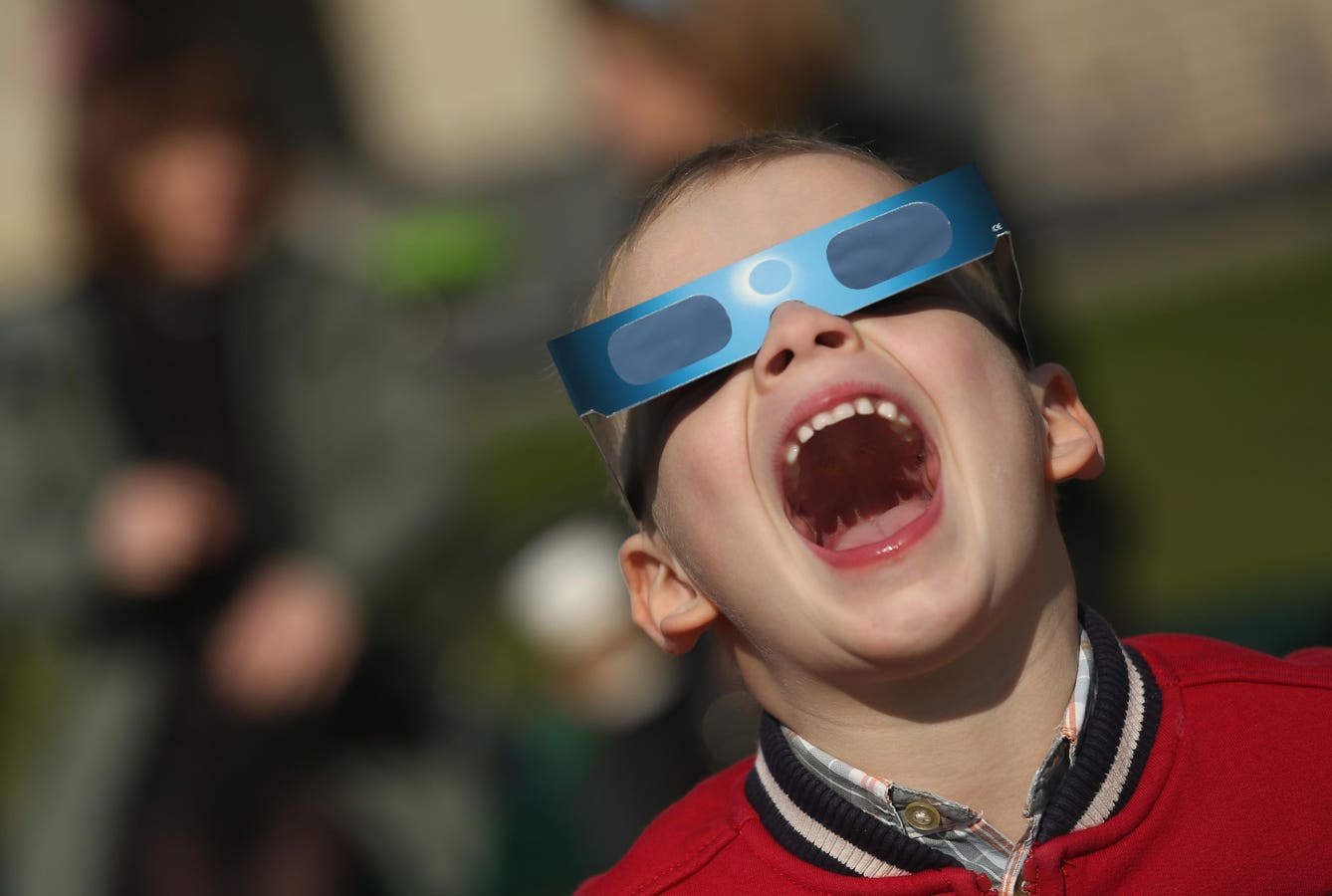
For those viewing the partial solar eclipse, safety precautions are important. Solar eclipse glasses must be worn throughout the event to protect your eyes. However, there are ways to indirectly view the eclipse’s progress across the sun. It is crucial to prioritize safety when observing such a phenomenon.
During a partial solar eclipse, observers can expect to see the moon appear to take a bite out of the sun, move across its face, and then depart. The event will last between two to 2.5 hours, depending on your location. Black sunspots on the sun’s surface may also be visible during the eclipse due to the sun nearing its peak magnetic activity.
Creating pinhole projections is a safe way to view the eclipse as it progresses. By using items with small, round holes, such as a colander or spoon, you can project an image of the eclipsed sun onto a surface. The eclipse may also impact the environment, causing a drop in temperature and changes in animal behavior, such as cows returning to the barn thinking night is approaching.
As the eclipse reaches its peak, observers may be able to spot the bright planet Venus during the day. Once the eclipse is over and the moon has passed, it is a bittersweet moment for observers, with many already looking forward to the next celestial event. Overall, the partial solar eclipse offers an exciting opportunity to witness a rare natural phenomenon while taking the necessary precautions to ensure a safe viewing experience.