






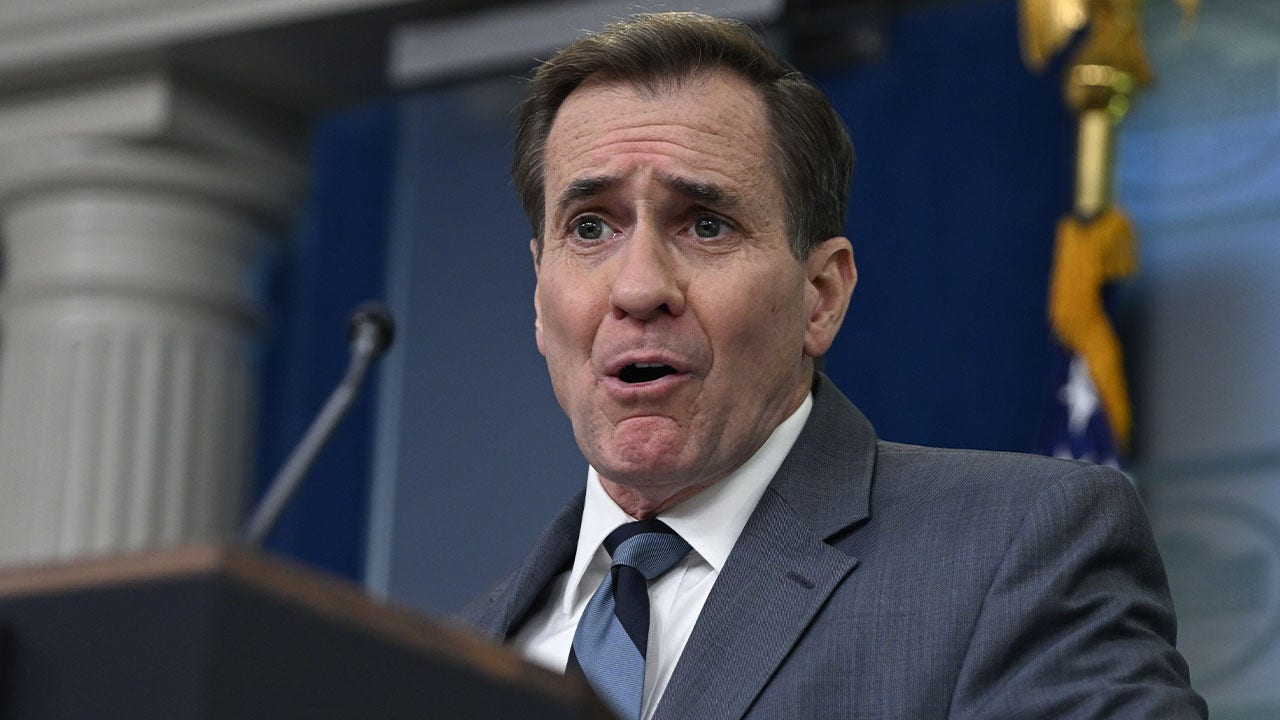
The White House national security spokesman John Kirby expressed confusion over Israeli Prime Minister Benjamin Netanyahu’s decision to cancel a high-level delegation’s visit to Washington following the U.S. decision not to veto a U.N. Security Council resolution calling for a cease-fire in Gaza during the Muslim holy month of Ramadan. The resolution passed 14-0 and demanded the release of hostages taken captive in a Hamas attack. Although the U.S. abstained from voting, Kirby emphasized that the resolution was nonbinding and would not affect Israel’s ability to continue its military actions. Netanyahu criticized the U.S. for stepping back from conditioning the cease-fire on the release of hostages held by Hamas.
Kirby clarified that the U.S. abstained from voting on the resolution because it did not condemn Hamas and failed to link the release of hostages to the cease-fire. Despite the criticism from the Israeli Prime Minister’s office, Kirby insisted that there was no change in U.S. policy. The abstention has raised tensions between the Biden administration and Netanyahu, particularly in the aftermath of comments from Senate Majority Leader Chuck Schumer questioning Netanyahu’s leadership. The resolution’s passage without a hostage release condition has sparked outrage among some U.S. commentators and analysts, who view it as a blow to U.S. credibility and strength.
The resolution comes as part of growing international concern over the escalating conflict in Gaza, which has resulted in a high number of civilian casualties and limited humanitarian aid reaching the region. The U.S. decision not to veto the resolution has been interpreted by some as a departure from traditional U.S. support for Israel. In response, Israeli officials have reiterated their commitment to continue fighting until the hostages are released and Hamas is eradicated. The situation has been further complicated by the Israeli delegation’s planned presentation of a ground invasion proposal to the White House, further fueling tensions between the two allies.
The ongoing conflict in Gaza has seen a significant number of casualties, with more than 32,000 Palestinians reported killed by Gaza’s Hamas-run Health Ministry. Israel has disputed these figures, arguing that the agency’s count does not distinguish between civilians and combatants. Despite the high death toll, the Security Council has not issued any resolutions calling for a cease-fire, with the U.S. using its veto power to block previous attempts. The growing divide between the U.S. and Israel over the handling of the conflict has raised concerns about the implications for regional stability and the broader U.S.-Israel relationship.
Critics of the U.S. decision not to veto the resolution have lambasted the administration for failing to condemn Hamas and linking the cessation of hostilities to the release of hostages. The move has been seen as a setback for U.S. credibility and strength, particularly in the eyes of Israel and its supporters. Some have suggested that the resolution’s passage without a hostage release condition undermines efforts to combat terrorism globally and could embolden terrorist groups. The situation has also strained relations between the U.S. and Israel, with disagreements over strategy and tactics playing out in public statements and diplomatic exchanges.
As the conflict in Gaza continues to escalate, with no end in sight, the international community faces the challenge of addressing the humanitarian crisis and finding a path towards lasting peace. The ongoing tensions between the U.S. and Israel serve as a reminder of the complex geopolitical dynamics in the region and the delicate balance of power. The resolution’s passage without a hostage release condition has raised questions about the effectiveness of international efforts to mediate the conflict and ensure the protection of civilians caught in the crossfire. The coming days and weeks will likely be crucial in determining the trajectory of the conflict and the future of U.S.-Israeli relations.